The Turning Point in Chinese AI Development
The past year has marked a significant turning point for artificial intelligence development in China. According to MIT Technology Review's analysis, Chinese companies have accelerated their open-source AI initiatives, creating models that increasingly compete with Western counterparts in both capability and accessibility. This shift represents more than just technological advancement—it signals a fundamental reconfiguration of global AI power dynamics.
Since DeepSeek released its R1 reasoning model in January 2025, Chinese technology firms have demonstrated remarkable progress in developing sophisticated AI systems that are both powerful and openly available. This movement toward open-source development represents a strategic pivot from previous approaches that often focused on proprietary systems or adaptations of Western models.
The DeepSeek Catalyst and Subsequent Developments
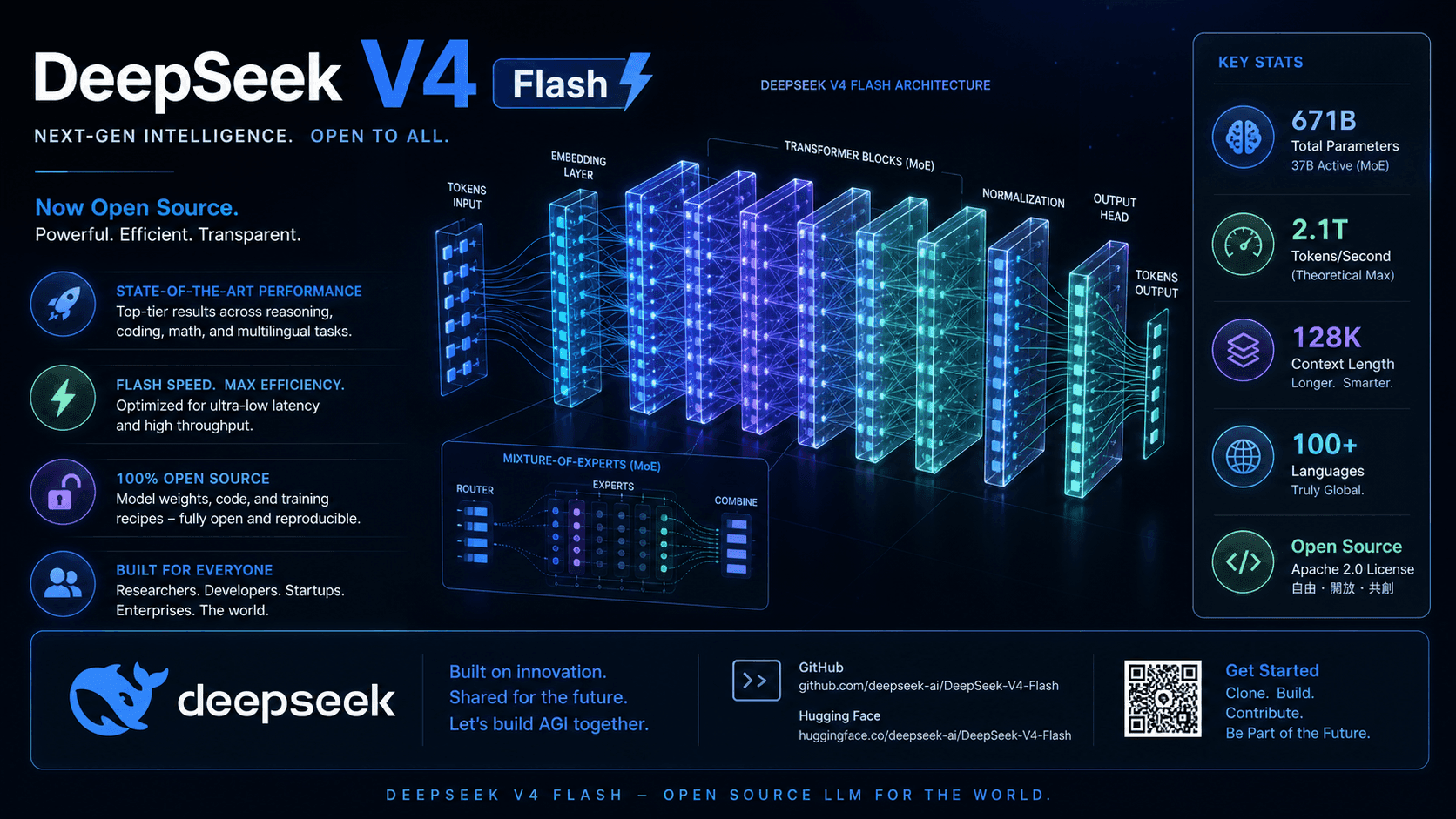
DeepSeek's R1 model served as a catalyst for China's open-source AI momentum. Unlike previous Chinese AI efforts that sometimes lagged behind Western counterparts, R1 demonstrated reasoning capabilities that approached—and in some benchmarks exceeded—similar models from established Western AI labs. The model's release under permissive licensing terms enabled researchers and developers worldwide to experiment with, modify, and build upon its architecture.
Following DeepSeek's breakthrough, several other Chinese companies and research institutions have announced their own open-source AI initiatives. These developments span various domains including natural language processing, computer vision, and multimodal AI systems. The collective effort has created what some analysts describe as an "open-source ecosystem" that encourages collaboration while maintaining competitive pressure for innovation.
Technical Innovations Driving Progress
Chinese open-source AI models have introduced several technical innovations that distinguish them from Western counterparts. These include novel approaches to:
- Efficient training methodologies that reduce computational requirements while maintaining performance
- Cross-lingual capabilities with particular strength in Chinese language understanding and generation
- Domain-specific optimizations for applications in finance, healthcare, and manufacturing
- Hardware-aware designs that perform well on diverse computing platforms
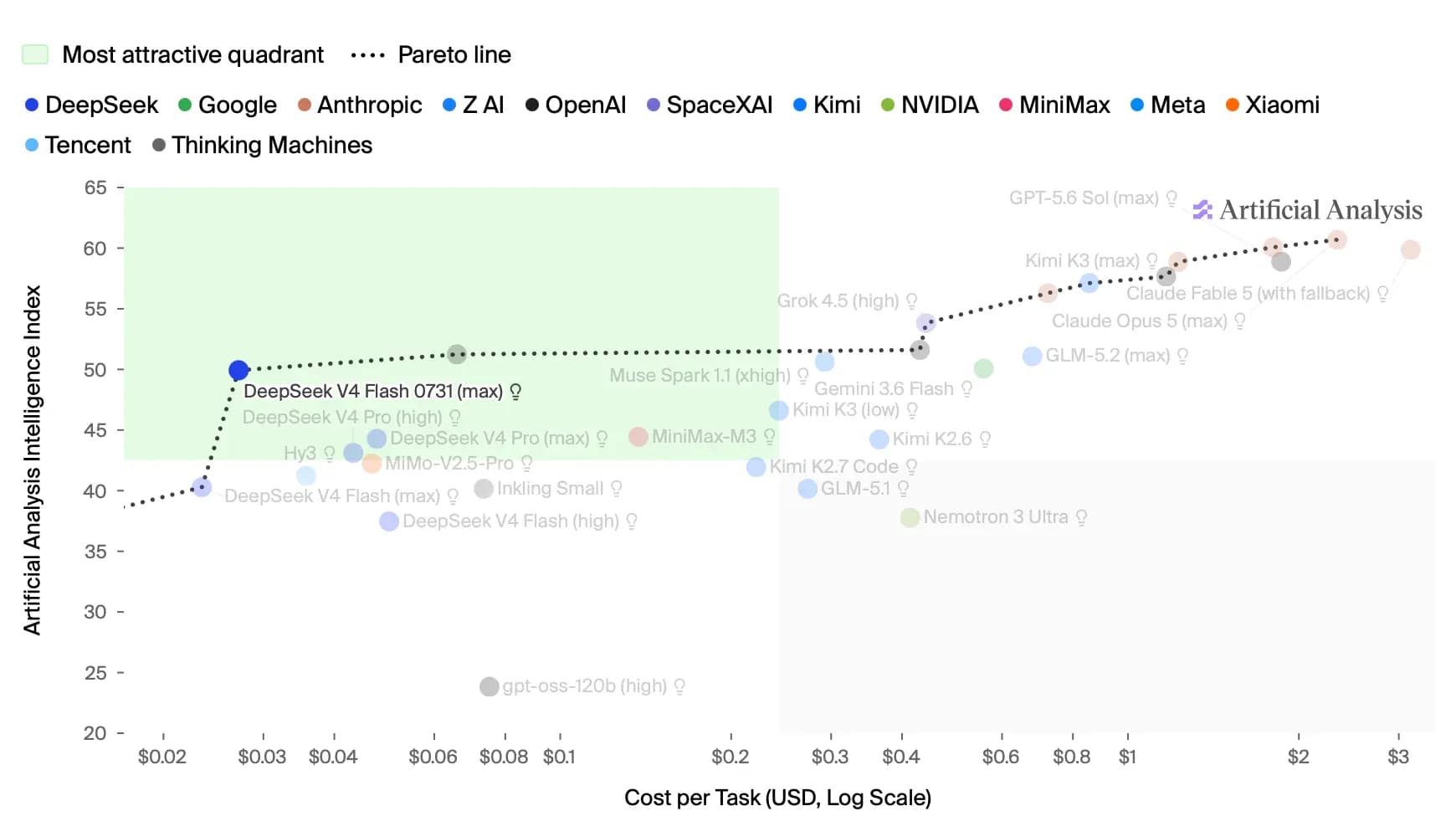
These technical advances reflect both the unique requirements of Chinese markets and the specific research priorities of Chinese AI labs. The focus on efficiency is particularly notable given increasing concerns about the environmental impact and computational costs of large AI models globally.
Strategic Implications for Global AI Competition
The rise of Chinese open-source AI carries significant implications for the global technology landscape. First, it creates alternative pathways for AI development outside the dominant Western ecosystems centered around companies like OpenAI, Google, and Meta. This diversification could accelerate innovation through increased competition while potentially reducing dependency on any single company or country's technology.
Second, China's open-source push challenges the narrative that AI leadership requires closed, proprietary systems. By demonstrating that competitive models can be developed and released openly, Chinese companies are influencing global norms around AI development and sharing.
Third, the availability of high-quality Chinese AI models provides developing countries with additional options for implementing AI solutions. These models may be particularly relevant for nations seeking alternatives to Western technology for geopolitical or practical reasons.
Challenges and Limitations
Despite impressive progress, Chinese open-source AI faces several challenges. Technical limitations remain in certain areas, particularly in creative generation and complex reasoning tasks that require deep cultural context beyond Chinese domains. Additionally, concerns persist about data quality, transparency in training processes, and potential biases in models developed primarily on Chinese-language datasets.
Geopolitical tensions also create uncertainty around the long-term sustainability of open collaboration between Chinese and Western AI communities. Export controls, sanctions, and other policy measures could potentially fragment the global AI ecosystem, reducing the benefits of open-source development.
The Future Trajectory
Looking forward, several trends are likely to shape the evolution of Chinese open-source AI:
- Increased specialization: Models optimized for specific industries and applications
- Greater international collaboration: Despite geopolitical tensions, technical communities often find ways to cooperate
- Regulatory adaptation: Both Chinese and international policies will evolve in response to these developments
- Commercialization pathways: New business models for monetizing open-source AI while maintaining accessibility
According to MIT Technology Review's analysis, the coming years will likely see Chinese companies continuing to release increasingly sophisticated models while also contributing more substantially to global AI research communities. This bidirectional flow of knowledge—both importing and exporting AI innovations—could accelerate progress across the entire field.
Conclusion: A New Era of Distributed AI Innovation
China's open-source AI movement represents more than just national technological advancement. It signals the beginning of a more distributed, multipolar era in artificial intelligence development. As high-quality models become available from diverse sources worldwide, the center of gravity in AI innovation may shift from a few dominant players to a more decentralized ecosystem.
This development ultimately benefits the global AI community by increasing choice, fostering competition, and potentially democratizing access to advanced AI capabilities. However, it also introduces new complexities around standards, interoperability, and governance that the international community must address collaboratively.
Source: MIT Technology Review's "What's next for Chinese open-source AI" (February 2026)