Tencent's HY3 AI Model Has 295B Params, Led by Ex-OpenAI Researcher
Tencent unveiled its HY3 preview model, its most powerful yet with 295 billion parameters. It's already deployed in consumer app Yuanbao and coding assistant CodeBuddy.
Thursday, April 23, 2026
18 stories covered by gentic.news intelligence

Tencent unveiled its HY3 preview model, its most powerful yet with 295 billion parameters. It's already deployed in consumer app Yuanbao and coding assistant CodeBuddy.

Anthropic removed its AI coding tool Claude Code from the $20/month Pro plan, moving it to $100+ tiers. This reflects the high operational costs of AI coding assistants and signals a broader industry pricing shift.

OpenAI unveiled GPT-5.5, positioned as a new intelligence tier designed for real-world work and autonomous agents, with enhanced tool-use capabilities and complex goal understanding.

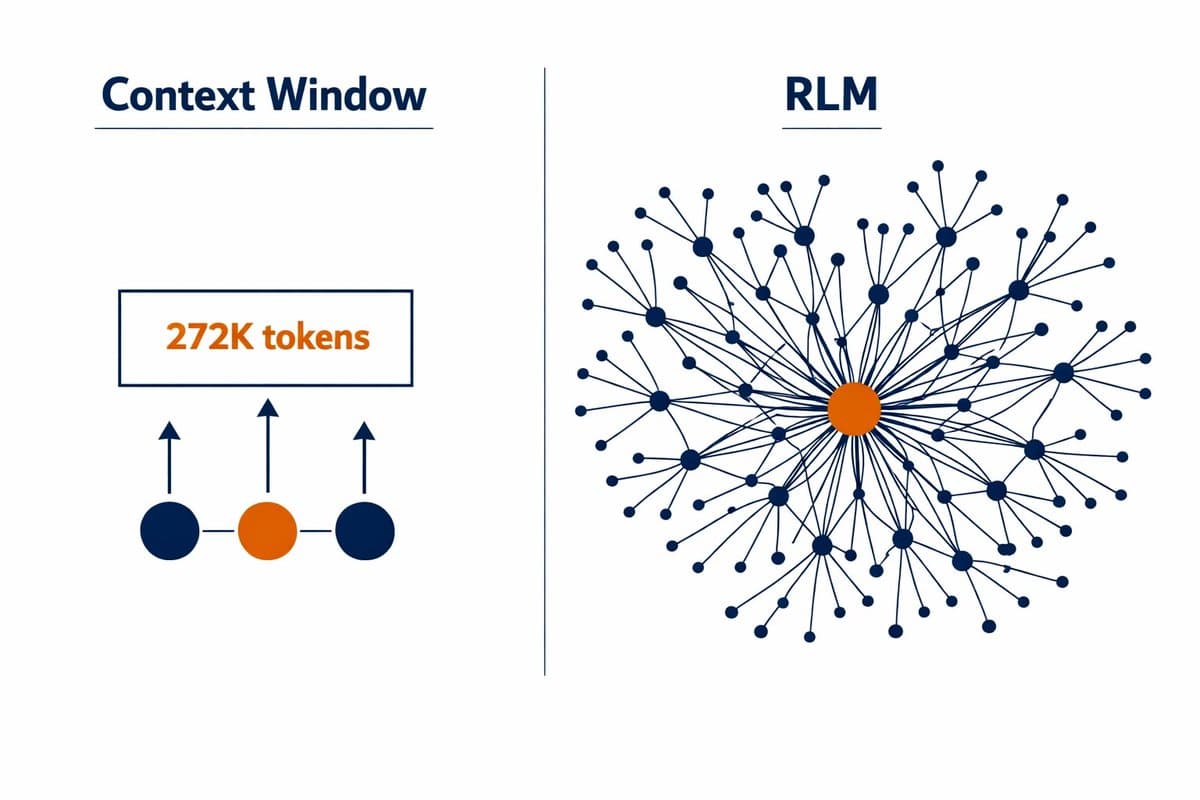
MIT researchers introduced Recursive Language Models (RLMs), which treat long documents as an external environment and use code to search, slice, and filter data, achieving 58.00 on a hard long-context benchmark versus 0.04 for standard models.

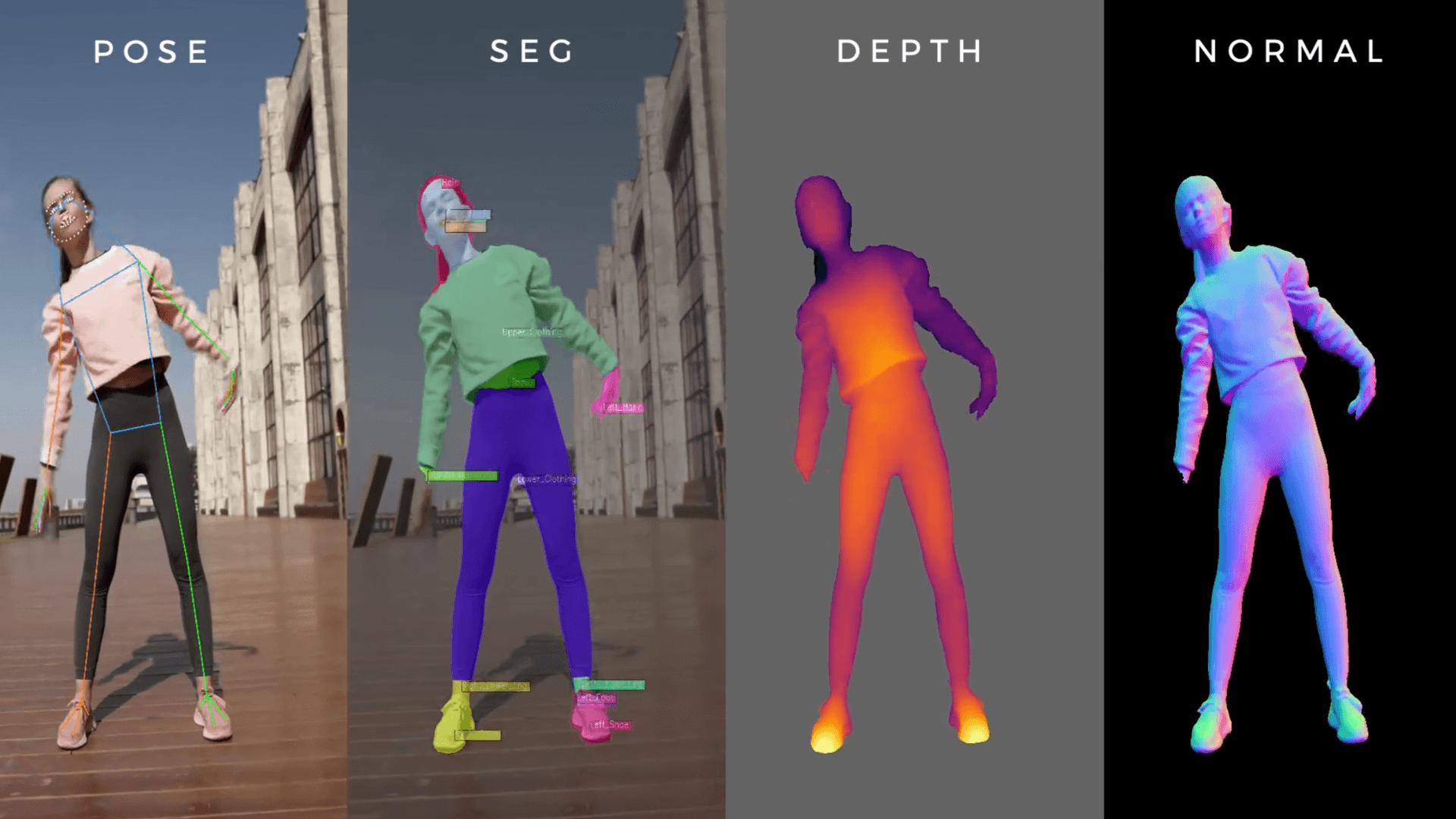
Meta open-sourced Sapiens2 on Hugging Face, a family of vision transformers pretrained on 1 billion human images for pose estimation, segmentation, normal estimation, and point maps. The models target high-resolution human-centric perception.

Claude can now teach kids any school subject like a $100/hour private tutor from Khan Academy, for free. This brings high-quality, personalized AI tutoring to anyone with internet access.

A tweet from @intheworldofai suggests OpenAI will launch GPT-5.5 tomorrow, framing it as a pivotal moment akin to GPT-3.5. The announcement signals a significant model upgrade, though details remain scarce.

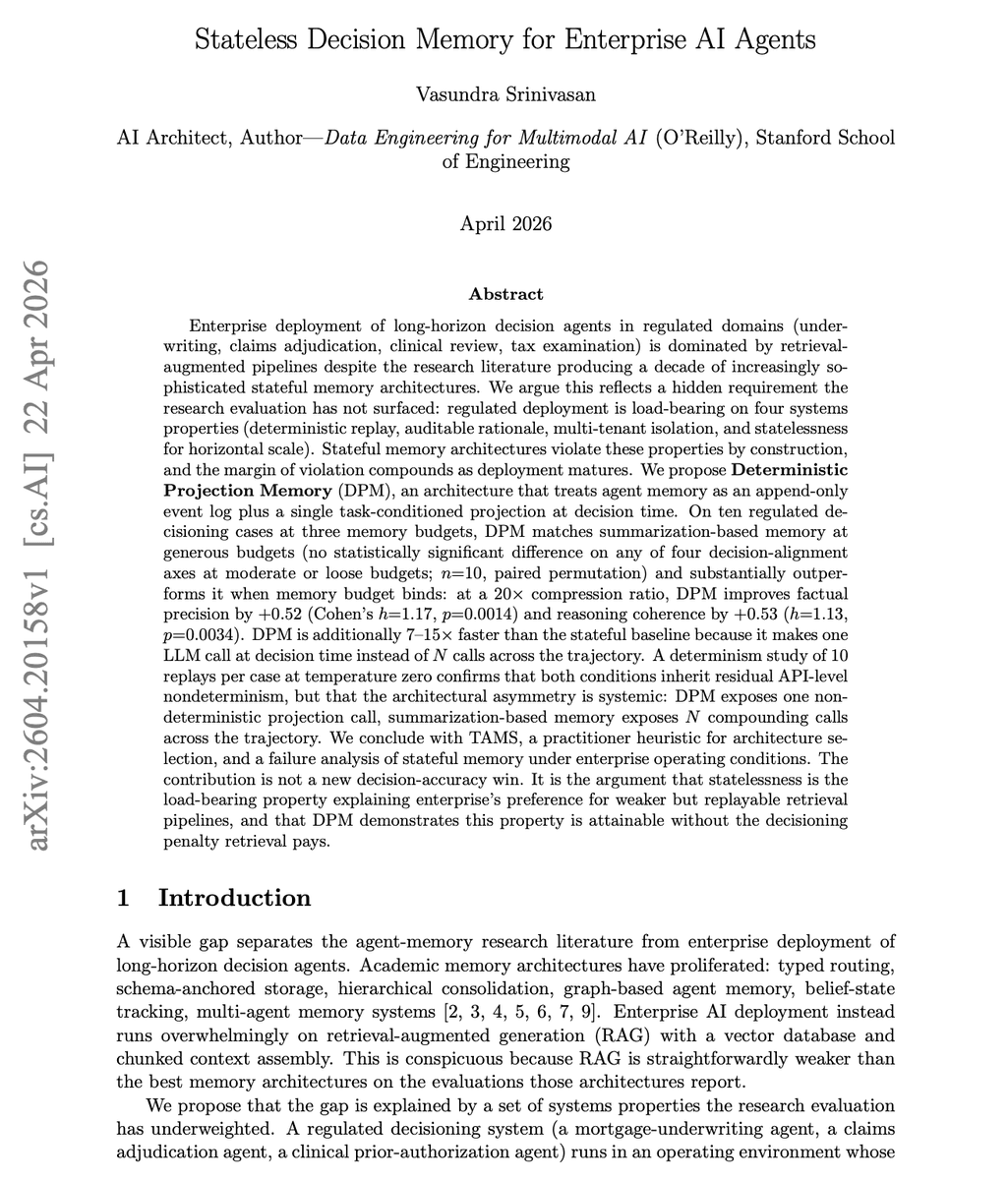
The paper replaces stateful agent memory with immutable decision logs using event-sourcing, allowing thousands of concurrent agent instances to scale horizontally without state bottlenecks.

Meta fired 8,000 employees and Microsoft laid off 9,000 within hours of each other, signaling a coordinated shift of resources from headcount to AI compute and model development. The layoffs underscore a trend where big tech prioritizes AI investment over workforce stability.

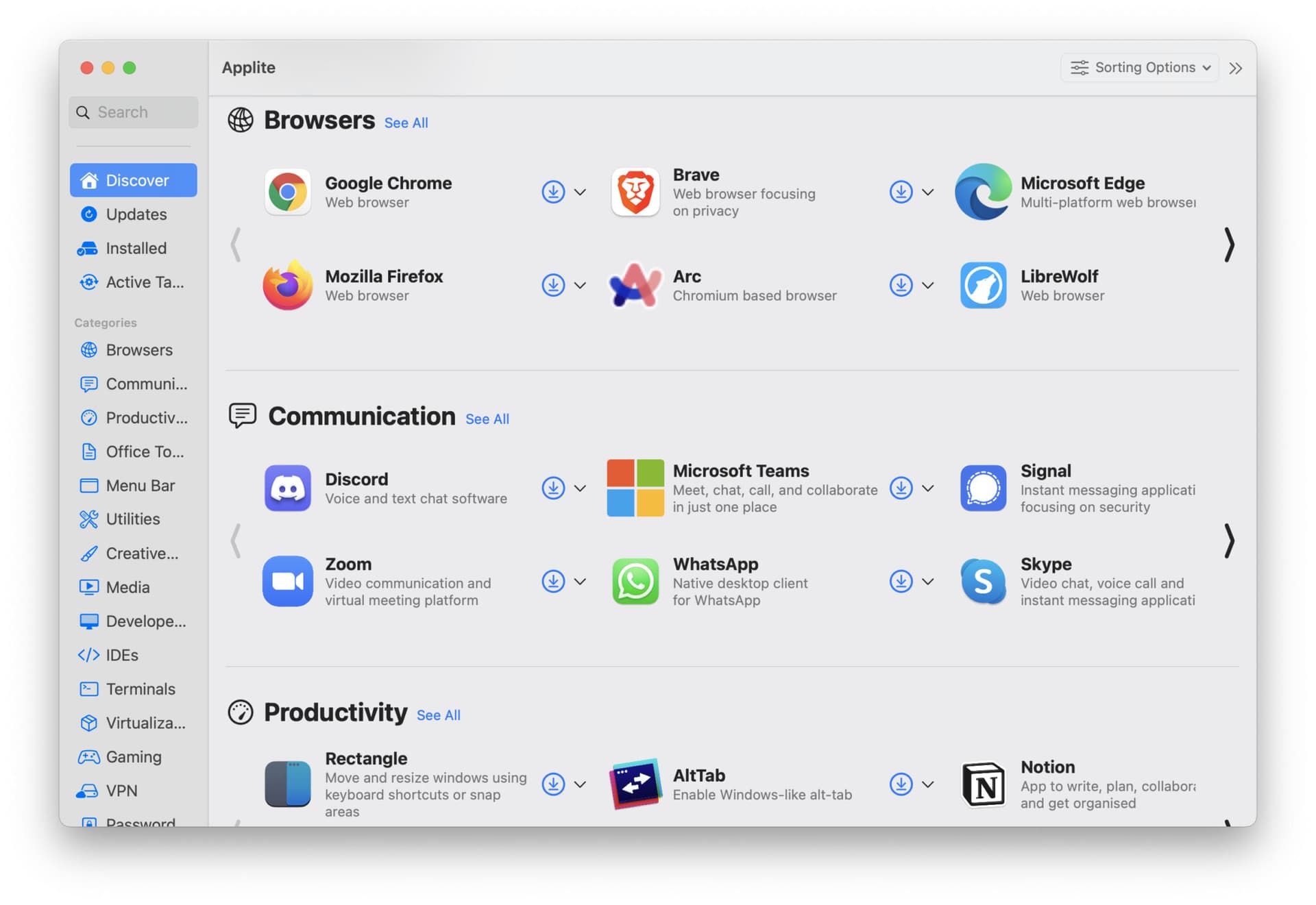
Cua released Cua Driver as open-source, allowing agents like Claude Code and Codex to drive any macOS app through visual understanding and direct UI interaction.

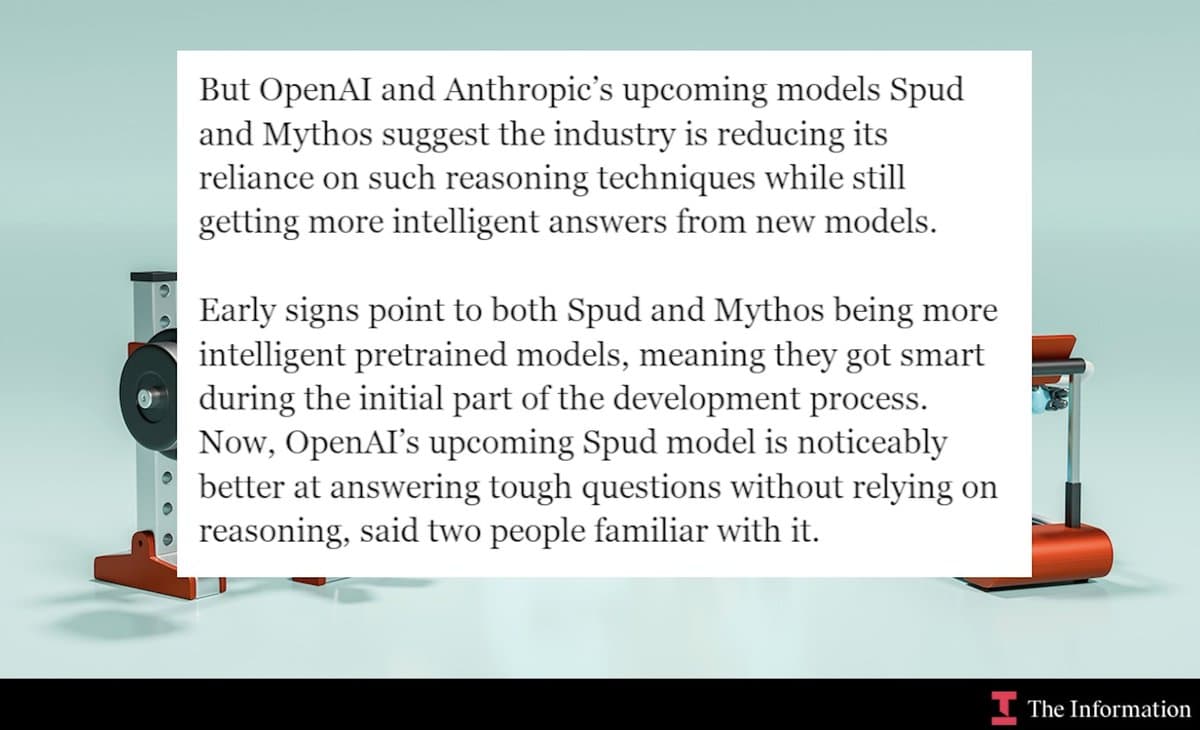
A new OpenAI model, Spud (GPT-5.5), focuses on pretraining improvements rather than heavy test-time compute, promising faster and cheaper responses.

A new AI agent called Delegate lets users assign work and walk away, with the agent handling execution autonomously. The launch signals a shift toward hands-off AI assistants that manage complex tasks independently.

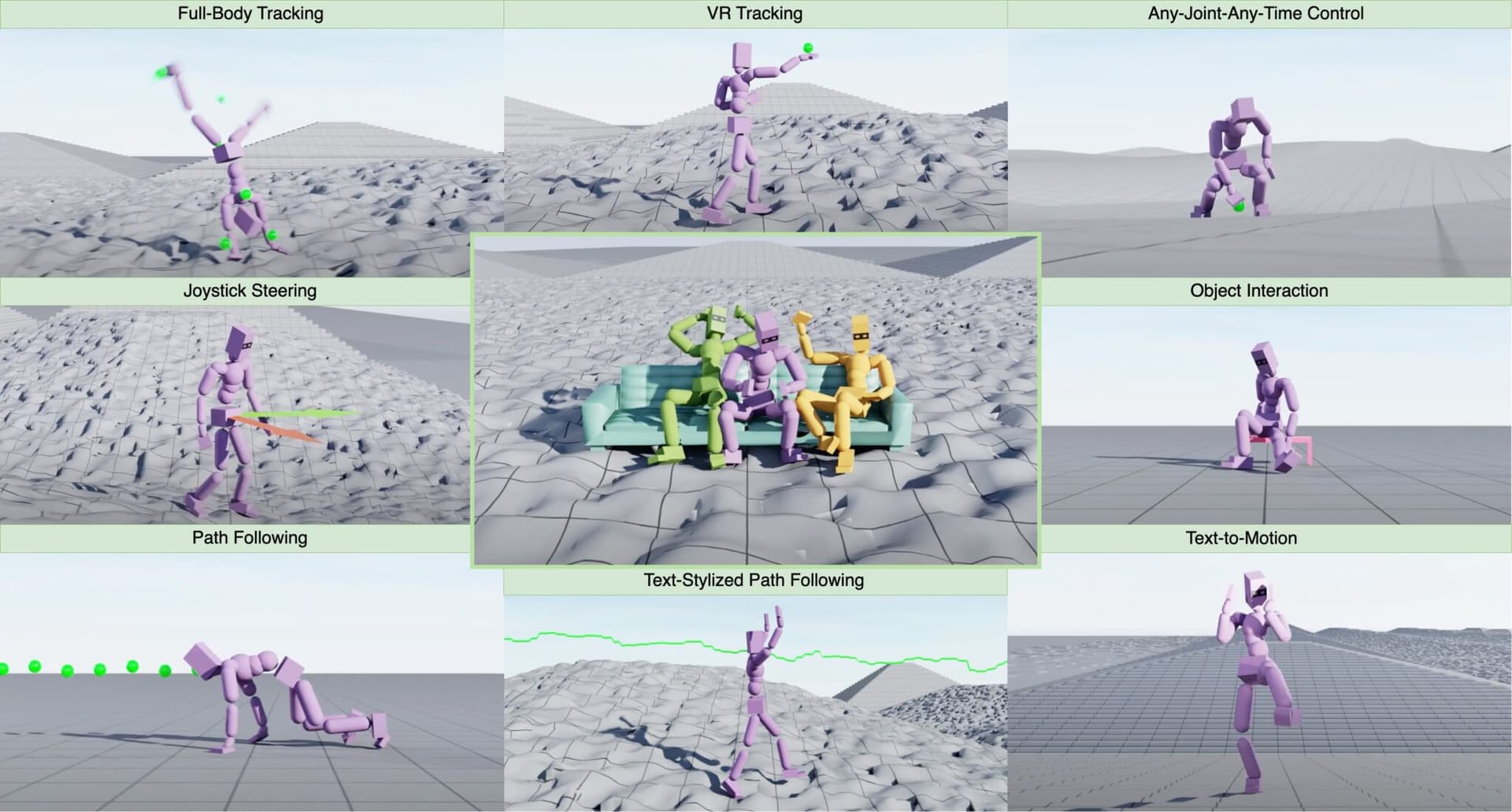
NVIDIA open-sourced Kimono, a motion diffusion model for humanoid robots, trained on 700 hours of motion capture data. It generates 3D human and robot motions from text prompts, supports keyframe and end-effector control, and runs on Unitree G1.

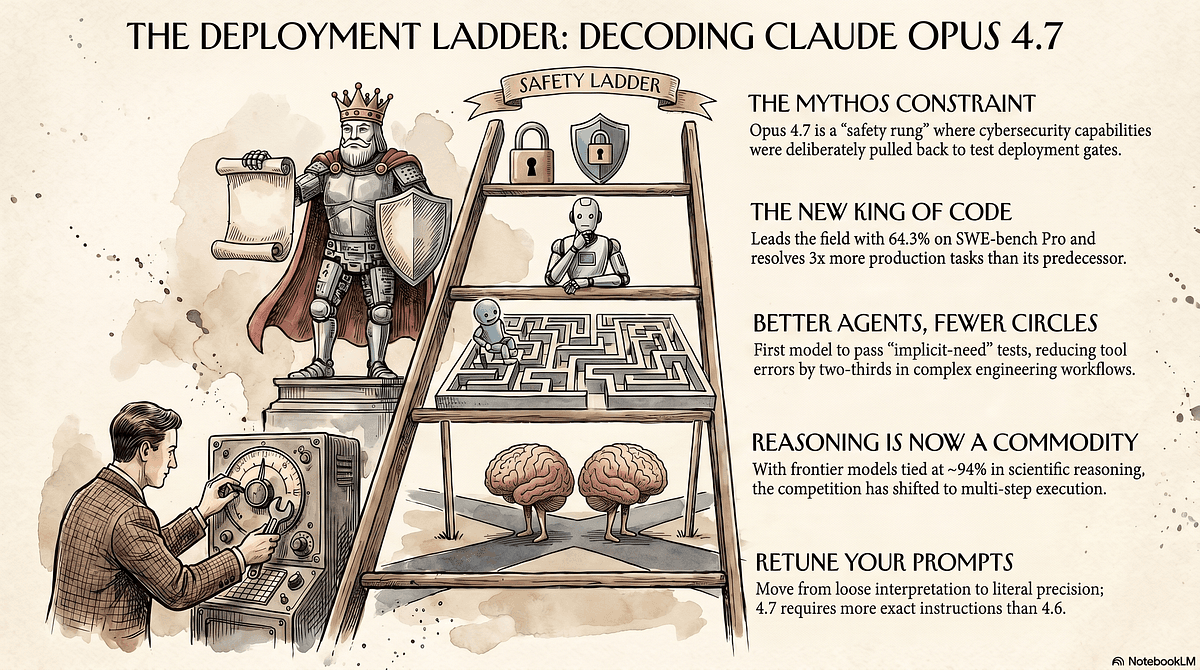
Anthropic released Claude Opus 4.7 on April 16, 2026, achieving 87.6% on SWE-Bench Verified and 64.3% on SWE-Bench Pro — leading GPT-5.4 and Gemini 3.1 Pro. The company also confirmed it deliberately constrained cybersecurity capabilities in Opus 4.7, with the more powerful Mythos Preview model (83.1% on CyberGym) restricted to select partners.

Horizon Robotics launched a trio of products—a new chip, an open-source OS, and a smart driving system—aiming to push cars closer to becoming autonomous AI agents. The platform integrates hardware and software for enhanced perception and decision-making.

Researchers released ThermoQA, a 293-question benchmark testing thermodynamic reasoning. Claude Opus 4.6 scored 94.1% overall, but models showed significant degradation on complex cycle analysis versus simple property lookups.

FalkorDB, an open-source graph database, stores connections as a sparse matrix to accelerate multi-hop queries by 100x. Combined with built-in vector search, it enables GraphRAG systems that answer complex relational questions without pre-built articles.

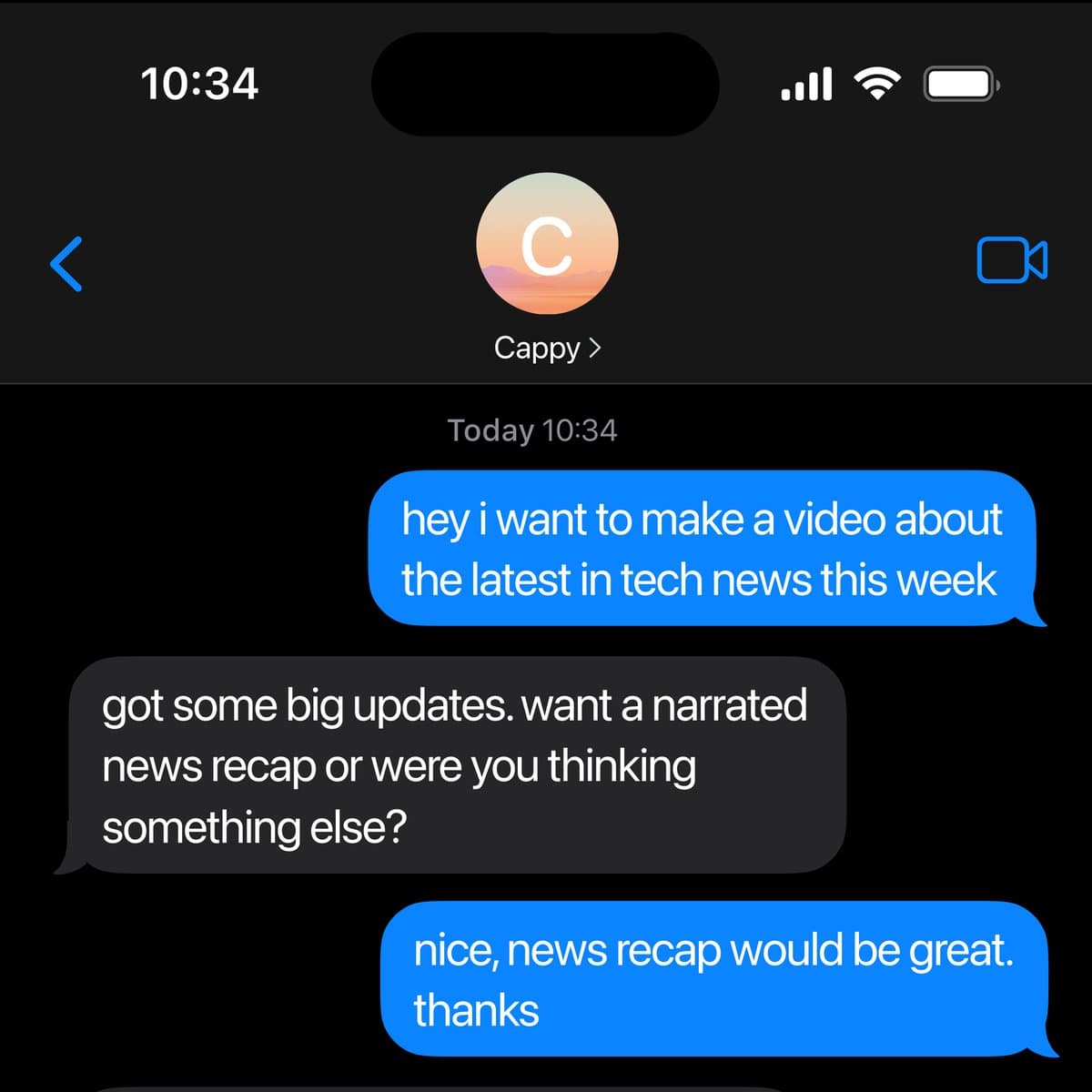
Mirage launched Cappy, a text-based video editing service that delivers fully edited videos via SMS. This first-of-its-kind approach eliminates traditional editing interfaces entirely.