What Happened
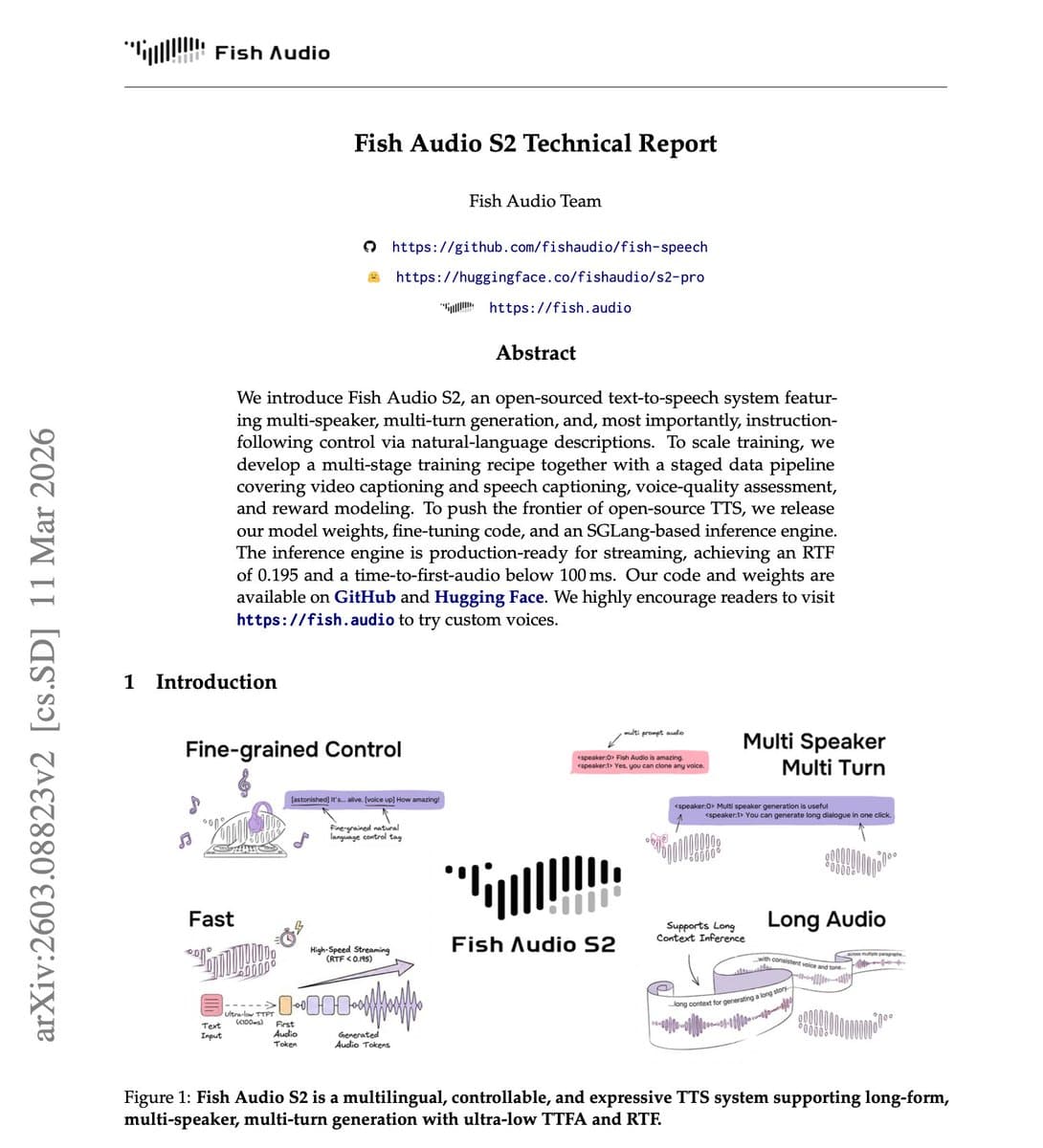
A social media post from user @hasantoxr claims that "someone built an AI system that takes a research idea and outputs a full academic paper." The post further states the generated papers include "Real citations. Real ex…" (likely "experiments"). The post is a retweet of the user's own earlier post, amplifying the claim.
No additional technical details, paper links, model names, developer information, or demonstration videos are provided in the source. The claim is presented as a third-party discovery ("Someone built...") without direct access to the system or its outputs.
Context
The claim fits into an ongoing exploration of AI for scientific assistance, including literature review, hypothesis generation, and paper drafting. Existing tools like Elicit, Scite, and various LLM-powered writing assistants help researchers find papers and draft text, but generating a complete, citation-grounded paper with experimental sections from a single idea represents a significantly more ambitious goal.
Major challenges for such a system would include:
- Citation Grounding: Accurately retrieving and synthesizing relevant existing work without hallucination.
- Methodology Generation: Proposing plausible, novel experimental designs or analyses.
- Result Synthesis: Generating realistic (or placeholder) data, figures, and statistical analysis.
- Narrative Cohesion: Maintaining a consistent argument and logical flow throughout all paper sections (Abstract, Introduction, Methods, Results, Discussion).
Without evidence, the claim remains an unverified anecdote. The post's phrasing ("Holy shit...") suggests the output was surprisingly coherent, but offers no objective quality assessment, peer-review outcome, or benchmark against existing AI science tools.