What Happened

Cursor, the AI-powered code editor, was on the verge of closing a $2 billion funding round at a $50 billion valuation. The investor syndicate read like a who's-who of tech finance: a16z, Nvidia, and Thrive Capital. It was, by any measure, a dream round.
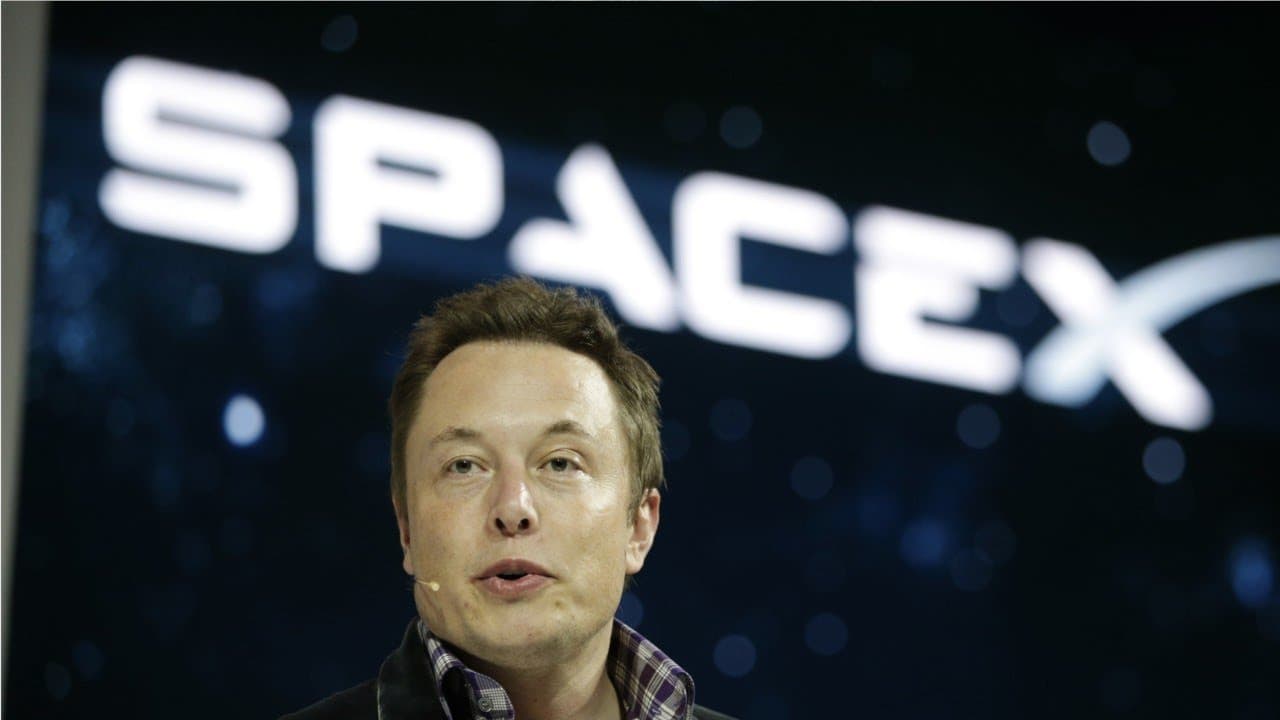
Then SpaceX made a counteroffer: $60 billion and a million H100 GPUs.
Cursor walked away from the original deal.
This is not a story about valuation. It is a story about what actually matters in AI right now: compute.
The Deal Dynamics
The original syndicate had Nvidia itself as an investor. Even the company that manufactures the world's most sought-after AI chips could only bring a checkbook. The message is stark: in the current AI landscape, money alone is table stakes. Compute access is the differentiator.
SpaceX's offer — $60 billion valuation plus a million H100s — represents a new kind of deal structure. Instead of purely financial terms, the deal includes a massive compute allocation, likely tied to SpaceX's own infrastructure or a partnership that grants Cursor priority access to H100 clusters.
This is not an isolated incident. Across the AI ecosystem, companies are structuring deals around compute commitments rather than cash. Microsoft's multi-billion-dollar investment in OpenAI was paired with Azure compute credits. CoreWeave's entire business model is built on providing compute to AI startups. But a deal of this scale — a million H100s — would be unprecedented.
What This Means
For AI startups, this signals a fundamental shift in fundraising strategy. The question is no longer just "how much money can you raise?" but "what compute can you guarantee?"
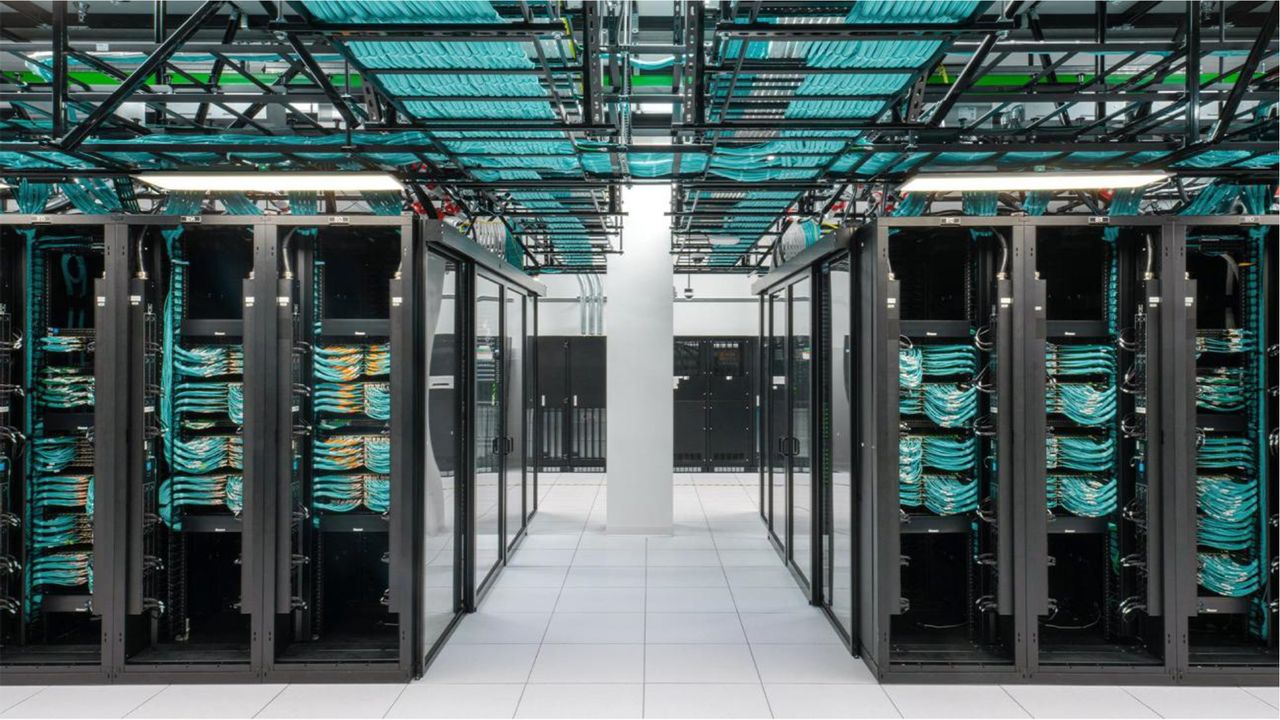
- Compute as currency: H100s are becoming a form of capital. A million H100s at current market rates (roughly $30,000 per unit) represents $30 billion in hardware alone, plus the infrastructure to run them.
- Valuation arbitrage: SpaceX's $60 billion offer is 20% higher than the original $50 billion, but the real value is in the compute. At scale, compute access can accelerate product development by months or years.
- Market signaling: If a company like Cursor — already a dominant player in AI coding tools — is willing to walk away from a $50 billion round, it suggests that compute-constrained startups are at a severe disadvantage.
The Broader Context

Cursor's decision comes amid a frenzy of AI infrastructure investment. Microsoft, Google, Amazon, and Meta are spending tens of billions on GPU clusters. Startups are increasingly judged not by their burn rate but by their compute runway.
SpaceX's involvement is notable. The company has been building its own AI capabilities, including Starlink's satellite constellation and autonomous systems for Starship. Offering compute to Cursor suggests SpaceX is positioning itself as a compute provider — or at least a broker — in the AI arms race.
gentic.news Analysis
This story is a stark illustration of a trend we've been tracking: the commoditization of capital in AI. As we noted in our coverage of CoreWeave's IPO and the $12 billion Inflection AI deal, the market has shifted from "who has the most money" to "who has the most compute."
Cursor's walk-away is particularly telling because it involves Nvidia itself. If even the chipmaker can't compete on compute terms, it means the bottleneck isn't manufacturing — it's allocation. Nvidia may produce the chips, but they don't control the entire supply chain. SpaceX, with its vertical integration and potential access to massive energy and data center infrastructure, can offer something Nvidia cannot: guaranteed, dedicated compute at scale.
This also raises questions about the sustainability of the AI startup funding model. If compute is the new currency, then startups without compute partnerships are at a structural disadvantage. We may see more deals structured as "compute plus cash" rather than pure equity rounds.
For Cursor specifically, this is a bet on speed. With a million H100s, they could train and deploy models at a scale that competitors without similar compute access cannot match. The risk is that SpaceX's offer may come with strings attached — perhaps exclusive access to Starlink data, or integration with SpaceX's autonomous systems.
Frequently Asked Questions
Why did Cursor walk away from a $50 billion valuation?
Cursor walked away because SpaceX offered a higher valuation ($60 billion) plus a million H100 GPUs, which is more valuable than cash alone for an AI company that needs massive compute resources to train and deploy models.
How much is a million H100s worth?
At current market prices of roughly $30,000 per H100 GPU, a million units represent approximately $30 billion in hardware value, not including the data center infrastructure, cooling, and energy costs required to operate them.
What does this mean for other AI startups?
This signals that compute access is becoming a critical factor in fundraising. Startups may need to prioritize partnerships that offer compute commitments over pure cash offers, and investors may need to offer compute as part of their deal terms to remain competitive.
Is SpaceX becoming a compute provider?
SpaceX's offer suggests they are positioning themselves to provide compute infrastructure, likely leveraging their Starlink satellite network and potential data center capabilities. This could make them a new player in the AI infrastructure market alongside AWS, Azure, and Google Cloud.