What's Happening — The A/B Test Reality
If your Claude Code sessions have recently felt slower, less accurate, or just 'off,' the cause might not be your prompts or project. Developers are reporting that Anthropic runs backend A/B tests on the Claude Code service. This means your instance might be routed to a different model version, a tweaked configuration, or an experimental feature set that impacts performance. It's a standard practice for iterative improvement, but it can directly affect your daily workflow.
How to Diagnose a Performance Dip
First, rule out the obvious. Check your internet connection and ensure you're not hitting any rate limits. If those are fine, the next step is to compare your experience against a known baseline.
- Run a Control Task: Use a small, repeatable coding task you've done before with Claude Code. Time it and note the quality of the output (e.g., correctness of a function, relevance of suggestions).
- Check with a Colleague: Ask a teammate using Claude Code on a similar project if they're experiencing the same issues. If their experience is normal, it's strong evidence your accounts are in different test groups.
- Monitor Token Usage & Latency: Pay attention to the response speed and the
claude codeCLI output for any unusual token consumption patterns, which can indicate a different model is being used.
What To Do About It
You can't opt-out of A/B tests, but you can take control of your environment to mitigate the impact.
- Provide Explicit Feedback: Use the
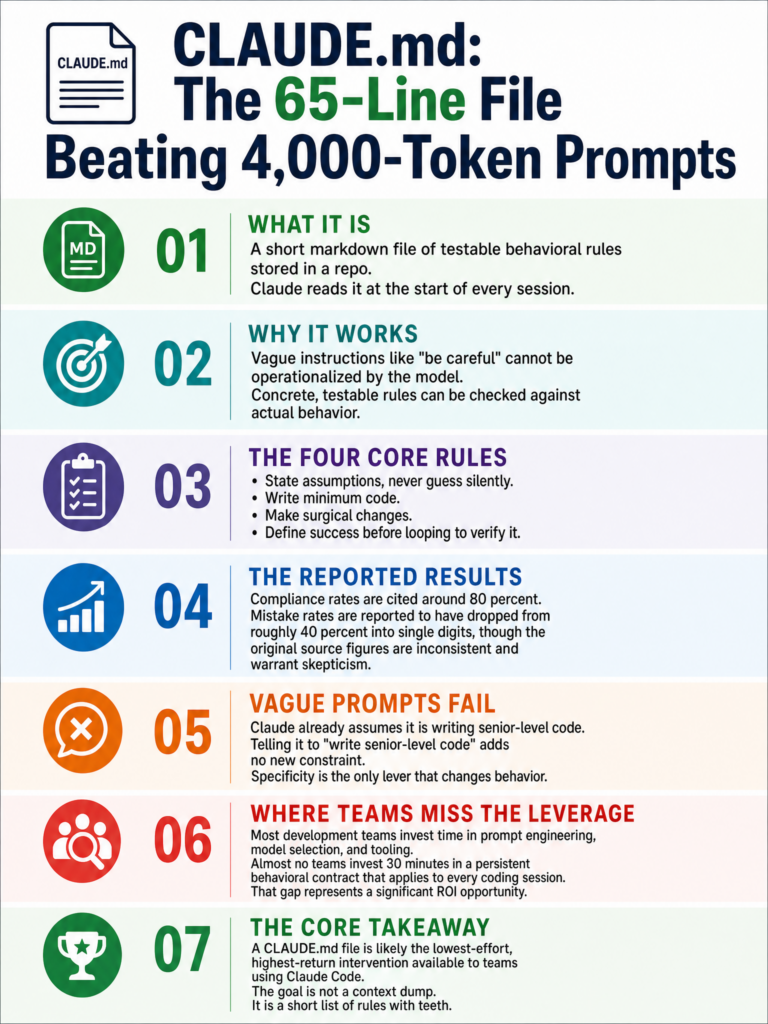
/feedbackcommand in Claude Code or the Anthropic console. Be specific: "Code suggestions are significantly slower and less context-aware today compared to yesterday for project X." This data is crucial for them to refine tests. - Leverage CLAUDE.md More Heavily: When model behavior is inconsistent, a strong
CLAUDE.mdfile becomes your anchor. Ensure it has explicit instructions about your project's patterns, frameworks, and style guides to ground the model's responses. - Consider a Context Reset: If performance is severely degraded, try starting a fresh session with
claude code --new-session. This can sometimes establish a new connection that may route you differently. - Switch Context Temporarily: For mission-critical work, you might temporarily use a different AI coding tool to maintain velocity, then return to Claude Code later. The test groups often rotate.
The key takeaway is not to assume a sudden drop in performance is your fault or a permanent degradation of Claude Code. By systematically checking for an A/B test and using the strategies above, you can maintain productivity while the platform evolves.