What Happened
A post by AI researcher Rohan Paul highlights the foundational and often overlooked role of Dutch company ASML in the global AI hardware stack. The central claim is that ASML holds a de facto monopoly on the production of Extreme Ultraviolet (EUV) lithography machines, which are essential for manufacturing the most advanced semiconductors. The post states that without these machines, the production of NVIDIA's flagship H100 AI GPU, AI supercomputers, large language models like GPT-4, Gemini, or Claude, and scalable data centers would not be possible.
Context
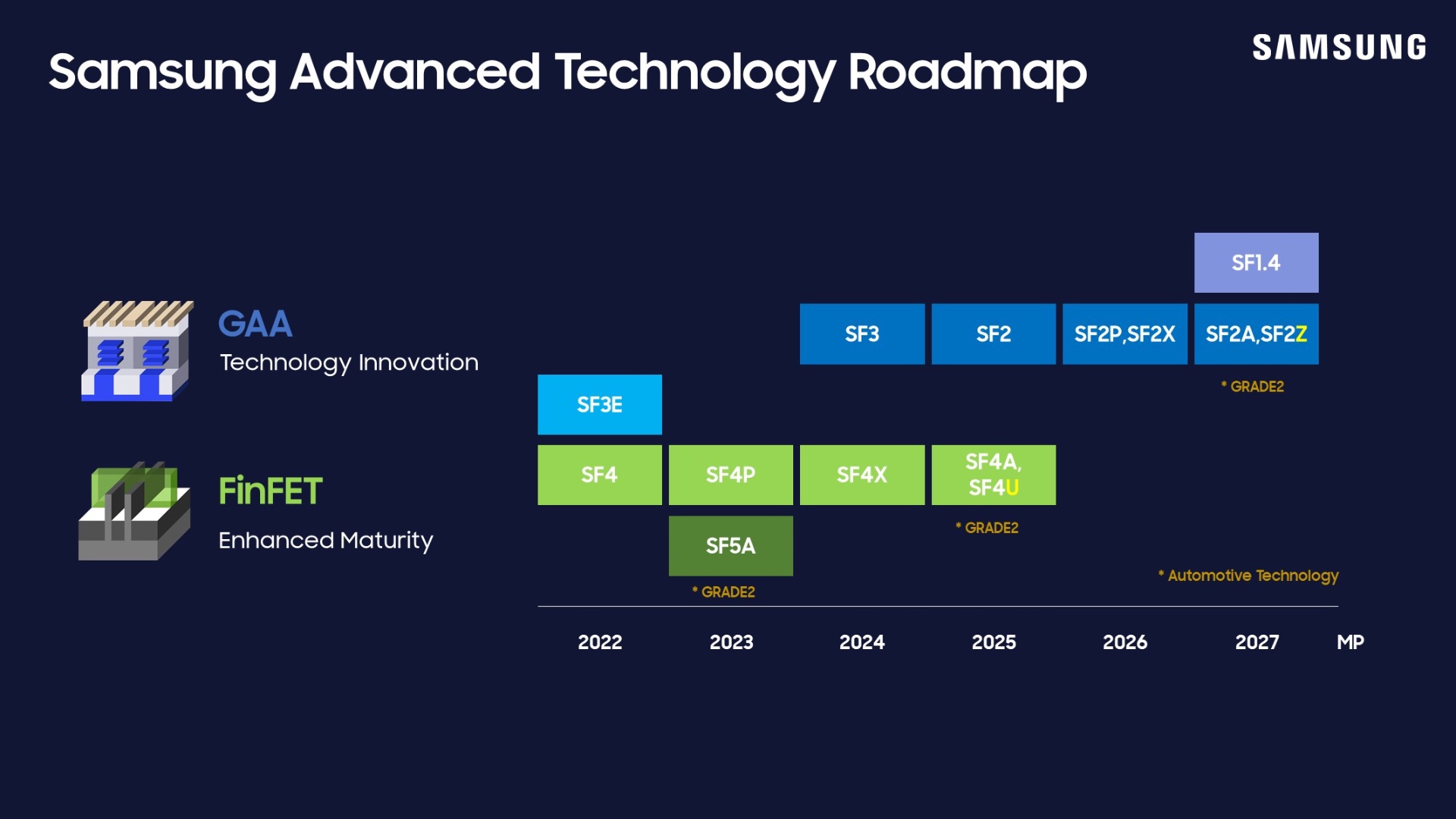
ASML's EUV lithography systems are used to etch circuits onto silicon wafers at scales smaller than 10 nanometers. As transistor densities have increased to meet the computational demands of modern AI, the wavelength of light used in lithography has had to shrink. EUV light, with a wavelength of 13.5 nanometers, is currently the only technology capable of producing the 5nm, 3nm, and smaller process nodes required for cutting-edge AI accelerators and CPUs.
The post provides several key data points about these systems:
- Each EUV machine costs approximately €350 million.
- A single machine contains over 100,000 parts.
- The technology uses a complex process involving tin plasma to generate the EUV light and specialized vacuum mirrors to focus it.
- Only slightly more than 200 of these EUV machines are operational worldwide.
- The primary customers are the world's leading semiconductor foundries: TSMC, Samsung, Intel, and SK hynix.
- The post asserts ASML has no direct competitor in the EUV space.
This scarcity and exclusivity make ASML's EUV machines the ultimate bottleneck in the AI hardware supply chain. The entire output of advanced AI chips from TSMC and Samsung—which fabricate chips for NVIDIA, AMD, Apple, and custom AI accelerators for large tech companies—flows through this tiny fleet of roughly 200 machines.