Snap Inc. has announced a multi-year strategic agreement with chipmaker Qualcomm Technologies, Inc. The core of the deal is the integration of Qualcomm's Snapdragon XR platforms into "future generations" of Snap's Spectacles augmented reality (AR) glasses.
The announcement, made via Snap's official Twitter account, signals a deepening hardware commitment from the social media company. While specific financial terms, product timelines, and technical specifications were not disclosed, the partnership explicitly ties Snap's AR hardware roadmap to Qualcomm's specialized extended reality (XR) silicon.
Key Takeaways
- Snap has entered a strategic agreement with Qualcomm to power future generations of its Spectacles AR glasses with Snapdragon XR platforms.
- This hardware partnership is critical for Snap's long-term bet on AI-driven augmented reality.
What's New: A Hardware Foundation for AI-AR

This agreement moves the relationship between Snap and Qualcomm beyond a simple component supplier model into a strategic, long-term alignment. The key deliverable is the use of Snapdragon XR platforms as the compute foundation for upcoming Spectacles.
Qualcomm's Snapdragon XR series are systems-on-a-chip (SoCs) designed specifically for AR, VR, and mixed reality devices. They typically integrate a CPU, GPU, and a dedicated AI processing unit (NPU) alongside connectivity modules (5G, Wi-Fi) and sensor hubs. This hardware is engineered to handle the demanding tasks of real-time spatial computing, computer vision, and on-device AI inference—all essential for a seamless, untethered AR glasses experience.
For Snap, this locks in a proven, high-performance silicon architecture for its next hardware iterations. For Qualcomm, it secures a high-profile design win for its XR portfolio in a competitive wearable AR market.
Technical Context: Why Snapdragon XR Matters for Spectacles
Snap's previous Spectacles models have served as developer kits and experimental devices, offering a glimpse into the company's AR ambitions. The Spectacles (2023), for instance, featured a waveguide display and spatial audio but were not commercially sold. A strategic chipset partnership indicates Snap is planning more advanced, performant, and likely more consumer-ready hardware.
Snapdragon XR chips enable several capabilities critical to Snap's vision:
- On-Device AI: Running Snap's AR Lenses (filters) and machine learning models locally on the glasses, reducing latency and dependency on cloud connectivity for core interactions.
- Spatial Mapping & Tracking: Processing data from cameras and sensors in real-time to understand and map the user's environment, allowing digital objects to interact convincingly with the physical world.
- Power Efficiency: A major hurdle for wearable AR is battery life. Dedicated XR SoCs are optimized for the balance of performance and power consumption required for all-day (or longer) use.
This partnership suggests future Spectacles will be significantly more computationally capable than their predecessors, capable of handling complex, persistent AR experiences.
The Competitive Landscape in AI Wearables
Snap's move aligns with a broader industry trend of tech companies securing specialized silicon for AI wearables:
- Meta has developed custom co-processors (like the Meta Reality SoC) for its Quest headsets and Ray-Ban Meta smart glasses.
- Apple uses its bespoke M-series and R1 chips in the Vision Pro for unparalleled performance in spatial computing.
- Google has partnered with Qualcomm in the past for its ARCore platform and is rumored to be working on its own AR hardware initiatives.
By partnering with Qualcomm, Snap is adopting a strategy similar to many Android smartphone makers: leveraging a leading third-party chip designer's scale and R&D to compete with vertically integrated giants like Apple and Meta. The success of this strategy will hinge on how effectively Snap's software and AI—its Lens Studio ecosystem and AR platform—can be optimized for the Snapdragon XR hardware.
What to Watch: From Developer Kits to a Consumer Play?
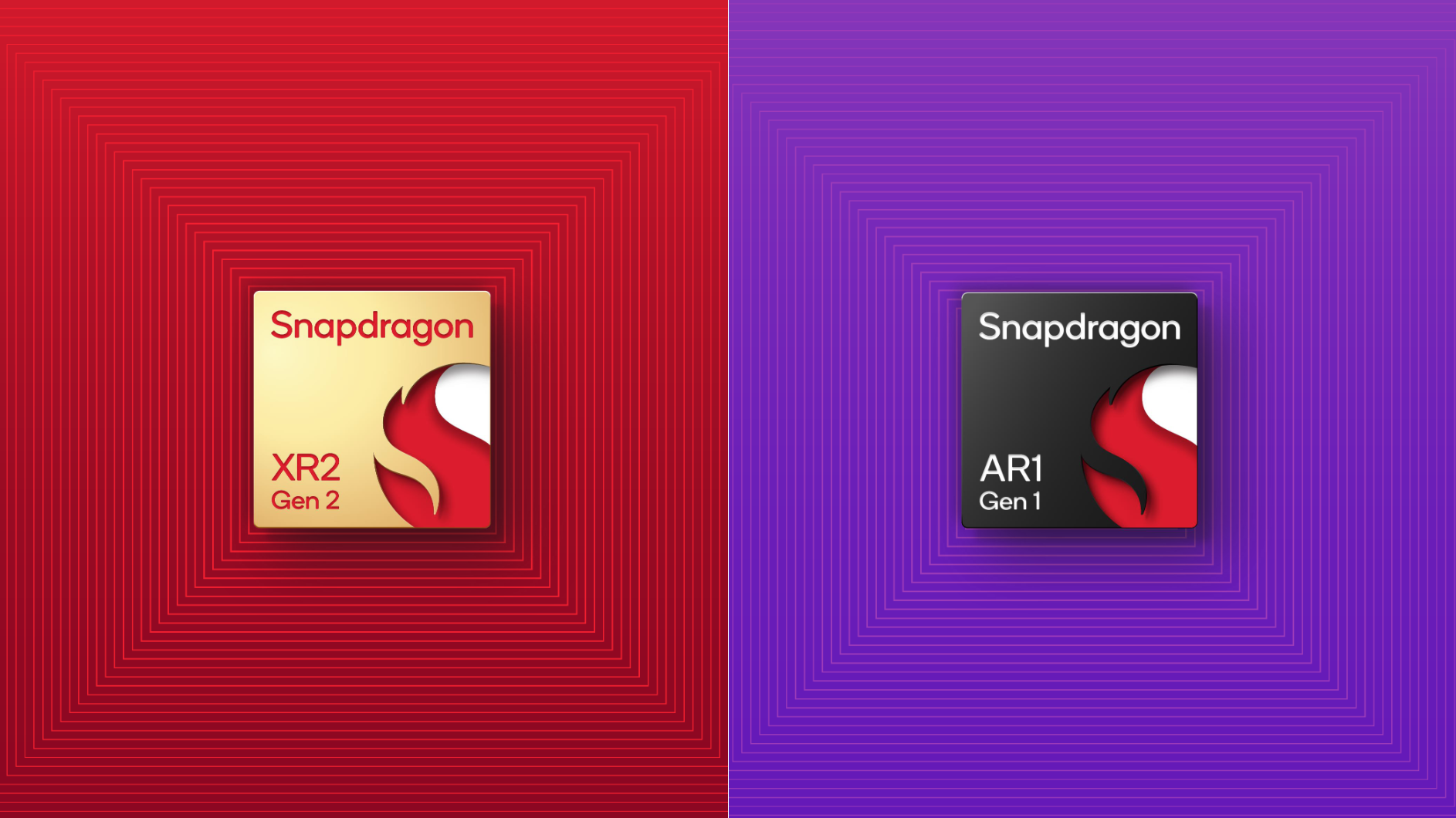
The lack of announced product details leaves key questions unanswered. The primary focus will be on what the first "Snapdragon XR-powered Spectacles" actually deliver:
- Form Factor & Battery Life: Will they approach everyday eyewear, and can they last a full day?
- AI Feature Set: What new, locally processed AI capabilities will be enabled?
- Release Strategy: Will the next model remain a limited developer/creator tool, or will Snap attempt a broader consumer launch?
This partnership is a necessary, foundational step for Snap. It provides the hardware muscle, but the ultimate test will be the software and AI experiences Snap builds on top of it, and whether they can create a compelling reason for users to wear AR glasses.
gentic.news Analysis
This partnership is a logical and critical escalation in Snap's long-game for AR. For years, Snap has treated Spectacles as a research and development platform, seeding them with creators to build its AR ecosystem. This Qualcomm deal indicates the company is moving from the prototyping phase to serious productization. They are no longer just experimenting with form factors; they are investing in the high-performance silicon required for market-competitive, AI-native wearables.
This aligns with a trend we've tracked closely: the convergence of specialized hardware and on-device AI as the key battleground for spatial computing. As we covered in our analysis of Apple's R1 chip, the race is about processing sensor data with near-zero latency. Qualcomm's XR platforms are the Android ecosystem's answer to Apple's vertical integration. For Snap, a company whose strength is AR software and social engagement, this partnership offloads the immense burden of custom silicon development while giving it a fighting chance on performance.
However, the path remains fraught. Meta, with its deeper pockets and longer hardware history, is also pushing hard on AR glasses. Snap's advantage remains its entrenched creator community and the sheer volume of AR Lenses used daily in its app. The strategic question is whether that software moat can translate into a wearable hardware business. This Qualcomm agreement is the bet that it can, by providing the canvas for those AI-driven experiences to break out of the smartphone screen.
Frequently Asked Questions
What are Snapdragon XR platforms?
Snapdragon XR platforms are Qualcomm's family of systems-on-a-chip (SoCs) designed specifically for extended reality devices, including augmented reality (AR) and virtual reality (VR) headsets. They combine a CPU, GPU, a dedicated AI engine (NPU), and advanced connectivity to handle the intense demands of real-time spatial computing, computer vision, and high-fidelity graphics in a power-efficient package suitable for wearables.
What does this mean for current Spectacles owners?
This announcement pertains to future, unannounced products. It does not imply any new features or updates for existing Spectacles models (like the 2023 edition). Current owners will continue to use their devices as-is, primarily as tools for AR content creation and development within Snap's ecosystem.
When will we see the first Spectacles with Snapdragon XR?
Neither Snap nor Qualcomm has announced a timeline for the release of the first product resulting from this partnership. Given the multi-year nature of the agreement and typical hardware development cycles, it is unlikely we will see a consumer-ready device before late 2025 or 2026. Snap may preview a developer-focused version sooner.
Is Snap competing directly with Apple Vision Pro and Meta Quest?
Not directly in the same product category—at least not yet. Apple Vision Pro is a high-end, full mixed reality headset, and Meta Quest is primarily a VR platform. Snap's Spectacles are positioned as lightweight, socially-oriented AR glasses. The competition is in the broader race to define the next computing platform. Snap is betting on an AI-powered, see-through AR format focused on social connection and overlaying digital content on the real world, rather than immersive virtual environments.