What Happened
Frank AI, a startup promoted by founder Hasan Toor (@hasantoxr), has launched a platform that automates customer interviews at scale. According to the announcement, the AI system can conduct "100s of customer interviews overnight" without human scheduling or manual transcription.
The core promise is a dramatic reduction in time and cost for customer research. The company states that traditional customer interviews typically cost $500–$1,000 each and can take six weeks to complete. Frank AI claims to reduce this cycle to three days at "a fraction" of the cost and at "100x the scale."
How It Works (Based on Claims)
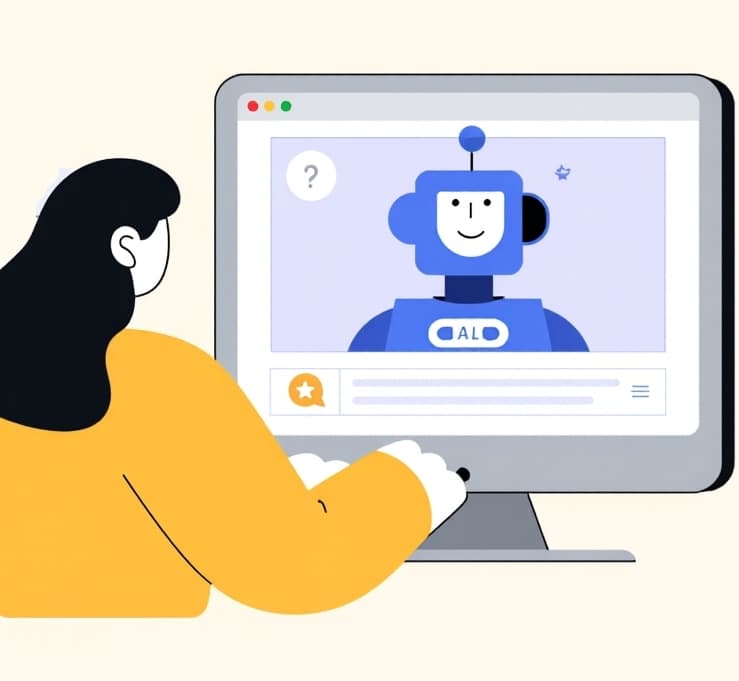
The platform allows customers to choose their interview format: video, voice, or WhatsApp. The AI is described as adapting in real-time during conversations, asking natural follow-up questions based on responses.
After interviews are completed, the system automatically generates analysis across all conversations, including:
- Identification of key themes
- Sentiment analysis
- Consolidated insights
Users can then "chat with your analytics" to query the collected data and pull specific insights in seconds.
Reported Results
The promotional material includes several business outcome claims:
- 56% higher feature adoption (presumably from teams using Frank AI's insights)
- 20% less churn
- 3-day decision cycles instead of 6 weeks
The company frames this as "A month of customer research. Done overnight."
Context
Automated customer research represents a growing niche in the AI-as-a-service market. Traditional qualitative research methods—conducting, transcribing, and analyzing interviews—are notoriously time-intensive and expensive. Tools that automate transcription and basic analysis (like Otter.ai, Rev, or even ChatGPT for summarization) have existed, but Frank AI appears to be positioning itself as a full-stack replacement for the entire interview process, from outreach to insight generation.
The claim of "AI adapts in real-time and asks natural follow-ups" suggests the use of a conversational AI agent capable of dynamic dialogue, moving beyond simple scripted surveys. This would place it in competition with other AI research platforms like Synthetic Users, UserTesting's AI features, or Viable, though each has different approaches to gathering and analyzing user feedback.
What We Don't Know
The announcement lacks technical specifics:
- No published benchmarks, case studies, or white papers
- No details about the underlying AI models (fine-tuned LLM, proprietary architecture, etc.)
- No information about interview length, capacity limits, or pricing "fraction"
- No independent verification of the 56% adoption or 20% churn reduction claims
- No details about data privacy, storage, or compliance measures
As with any promotional announcement, these claims represent what the company states is possible with their technology, not independently verified results.