What Happened
A new survey paper, posted to arXiv on April 2, 2026, provides a comprehensive overview of the evolution and current state of Multi-Agent Video Recommendation Systems (MAVRS). The authors argue that traditional, monolithic recommender systems—which optimize for static engagement metrics—are increasingly inadequate for the dynamic, complex demands of modern video platforms. In response, a paradigm shift is underway toward architectures composed of multiple specialized AI agents.
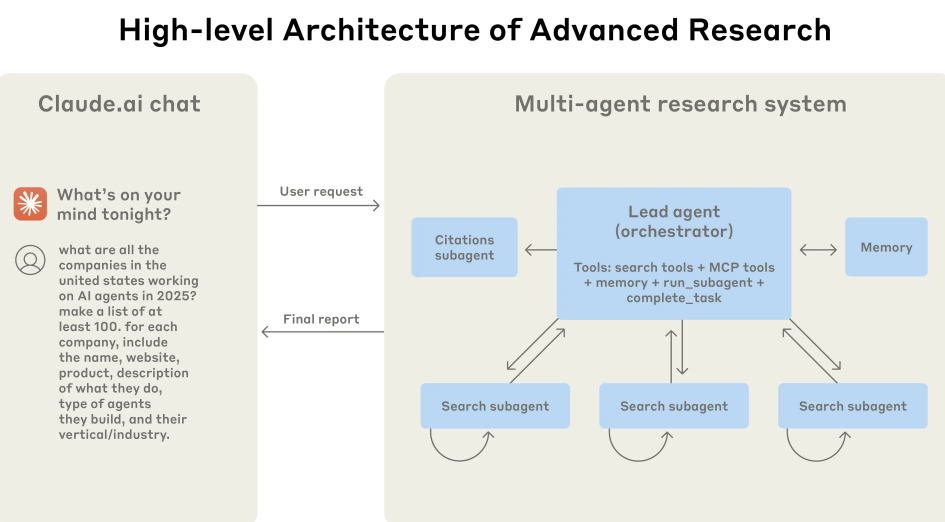
These agent-based systems coordinate distinct modules responsible for tasks like video understanding, user reasoning, memory, and feedback collection. The goal is to move beyond a single "black box" model to a more transparent, adaptable, and explainable system that can better serve users and adapt to new datasets.
The survey synthesizes ideas from three converging fields: multi-agent recommender systems, foundation models, and conversational AI. It identifies the emergence of LLM-powered MAVRS as a particularly significant development, where large language models act as orchestrators or reasoning engines within the agent network.
Technical Details
The paper presents a taxonomy of collaborative patterns used by these multi-agent systems, analyzing coordination mechanisms across different video domains (e.g., short-form clips, educational content). It traces the technical lineage from early systems using Multi-Agent Reinforcement Learning (MARL), such as MMRF, to contemporary LLM-driven architectures like MACRec and Agent4Rec.
Key technical themes include:
- Specialization: Different agents handle distinct sub-tasks (content analysis, user intent modeling, candidate ranking).
- Coordination: Mechanisms for agents to communicate, share information, and align on a final recommendation.
- Explainability: The multi-agent structure can inherently provide more transparent reasoning paths for why a video was suggested.
The authors conclude by outlining pressing open challenges, including:
- Scalability: The computational overhead of running multiple agents, especially LLMs, in real-time.
- Multimodal Understanding: Effectively integrating visual, audio, and textual data from videos.
- Incentive Alignment: Ensuring all agents in the system are working toward a coherent, long-term user satisfaction goal rather than optimizing for conflicting sub-tasks.
- Research Directions: They point to hybrid RL-LLM systems, lifelong personalization, and self-improving architectures as promising future paths.
Retail & Luxury Implications
The direct application of video recommender systems is most evident in brand media and content platforms. For luxury and retail houses, the implications of this architectural shift are significant for brand-owned media channels, advertising, and immersive digital experiences.

Dynamic Content Hubs & Lookbooks: A brand's digital magazine, seasonal lookbook video series, or behind-the-scenes documentary library could be powered by a MAVRS. Instead of a simple chronological feed, a multi-agent system could understand the nuanced narrative of a collection (via a "video understanding" agent), reason about a user's taste based on past interactions and stated preferences (via a "user reasoning" agent), and curate a personalized viewing journey that educates and inspires, not just engages. This moves content delivery from broadcasting to a conversational, consultative mode.
Explainable Product Discovery in Video: As shoppable video and live commerce grow, the "why" behind a recommendation becomes a trust signal. An LLM-powered agent could generate a natural language justification: "I'm suggesting this video on handbag craftsmanship because you recently watched our interview with the leather master and have shown interest in classic accessories." This transparency can enhance perceived brand expertise and reduce perceived algorithmic manipulation.
Training & Clienteling: Internal training platforms for retail staff using video content could leverage MAVRS for personalized learning paths. Similarly, clienteling tools that share runway footage or product deep-dives with top clients could use these systems to intelligently sequence content, building a story over time.
The core challenge for luxury will be adapting these architectures, often designed for mass-scale platforms like TikTok or YouTube, to the high-value, low-volume, and experience-centric context of luxury engagement. The priority shifts from maximizing watch time to maximizing brand affinity, knowledge transfer, and ultimately, the cultivation of desire.