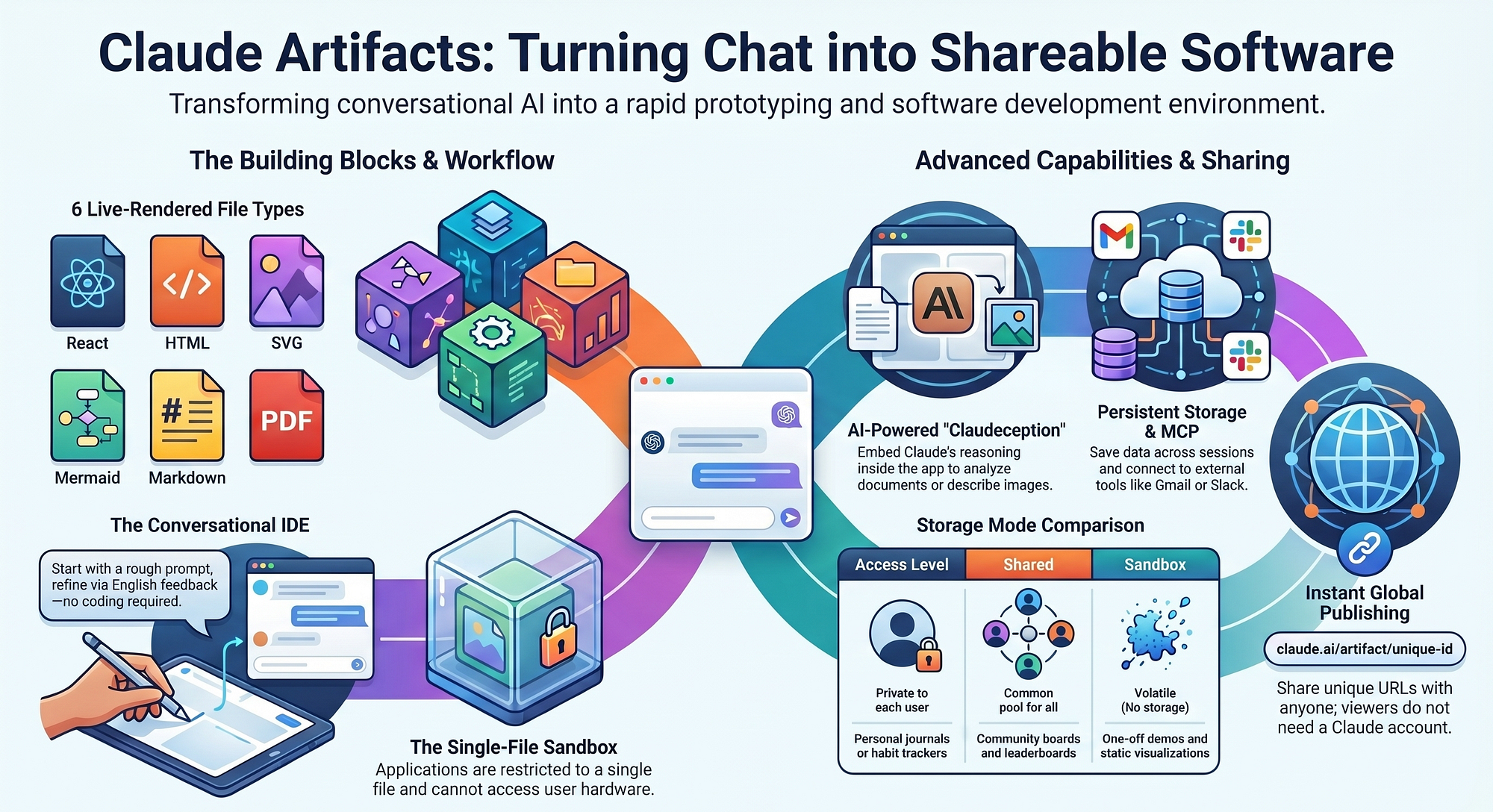
The Technique — Claude Code as an Executor, Not Just an Assistant
The source highlights a critical shift: AI agents powered by MCP (Model Context Protocol) move from being assistants that respond to becoming executors that act. For Claude Code users, this isn't theoretical—it's the difference between asking Claude to write a function that calls an API and having Claude Code actually call that API, process the response, and complete the task.
Why It Works — The MCP Foundation in Claude Code
Claude Code has native MCP support, which means it can securely connect to external data sources and tools through standardized servers. According to our knowledge graph, Claude Code uses Model Context Protocol in 24 documented instances, making this capability core to its architecture. This follows Anthropic's development of MCP as an open standard specifically for connecting AI models to external systems.
When you install an MCP server (like one for your database, cloud provider, or internal APIs), Claude Code gains direct access to those resources. It can execute commands, retrieve real-time data, and perform actions without you writing intermediary code.
How To Apply It — From Prompt to Production
Instead of: "Write a function to fetch the latest user data from our API"

You can now: "Using the company-api MCP server, fetch the last 24 hours of user signups, filter for premium accounts, and create a summary markdown file."
Here's the workflow:
- Install relevant MCP servers:
# Example: Install a server for your cloud provider
claude code mcp install cloud-provider-mcp-server
- Configure in your CLAUDE.md:
## Available Tools via MCP
- Company Database (read/write access)
- AWS S3 Bucket Manager
- Email Sender
- Calendar Manager
- Payment Processor (sandbox)
- Give single-prompt workflows:
"Check the production error logs from the last hour via the logs MCP, find patterns, create a Jira ticket via the jira MCP with the top 3 issues, and message the on-call engineer via Slack MCP."
This aligns with our March 25th coverage of MCP servers for major IaC tools becoming available. The benchmark showing MCP servers add 37% more input tokens compared to CLI commands is worth noting—the context about available tools enables more complex, autonomous execution.
The Reality Check — When MCP Execution Beats Manual Coding
MCP execution shines for:
- Repetitive DevOps tasks (restarting services, checking statuses)
- Data gathering and reporting across multiple systems
- Orchestrating multi-step workflows that involve different tools
- Prototyping integrations without writing boilerplate code
However, be aware of the March 20th study findings about agents following dangerous instructions. Always test MCP servers in sandboxed environments first, and use Claude Code's permission controls to limit access to production systems.
Try It This Week
- Install one MCP server that connects to a tool you use daily (GitHub, Linear, Datadog, etc.)
- Replace your next "write code to interact with X" prompt with "use the X MCP to accomplish Y"
- Measure the time saved from not writing and debugging integration code.
The shift from assistant to executor is already built into Claude Code—you just need to connect the tools.