What Happened
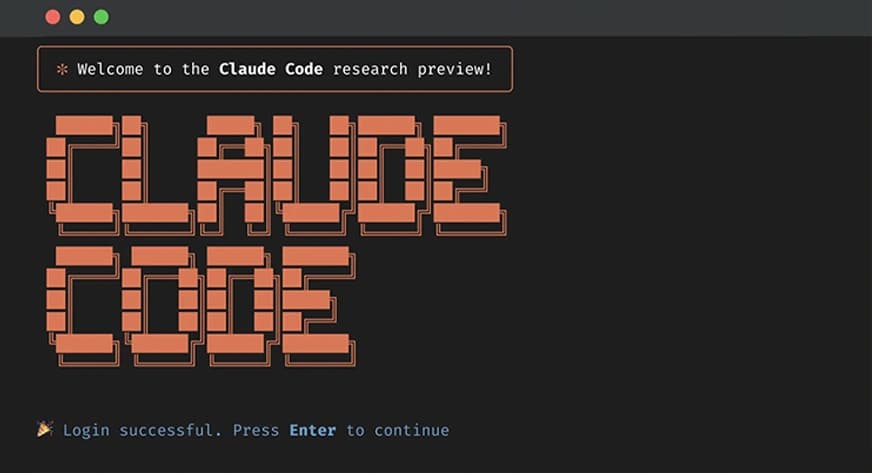
On March 31, 2026, Anthropic filed a Digital Millennium Copyright Act (DMCA) takedown request with GitHub targeting repositories containing leaked Claude Code source code. What started as a straightforward IP protection move turned into one of the most dramatic own-goals in recent AI history.
The original leak occurred when a 59.8 MB JavaScript source map file (.map), intended for internal debugging, was accidentally included in version 2.1.88 of the @anthropic-ai/claude-code package on npm. Within hours, the ~512,000-line TypeScript codebase was mirrored across GitHub and analyzed by thousands of developers.
The 8,100-Repo Takedown Fiasco
Anthropic's DMCA notice was executed against approximately 8,100 repositories — but the vast majority were legitimate forks of Anthropic's own publicly released Claude Code repository. The company had accidentally issued takedowns against its own open-source community.
Boris Cherny, Anthropic's head of Claude Code, acknowledged the error and retracted most takedown notices, limiting the final scope to one repository and 96 forks containing the accidentally released proprietary source code.
The incident raised immediate questions about DMCA effectiveness in the AI era:
- Decentralized mirrors: Platforms like Gitlawb, which explicitly states "Will never be taken down," hosted copies outside DMCA's practical reach
- Python rewrites: A complete Python port appeared within 24 hours, declared DMCA-proof by The Pragmatic Engineer's Gergely Orosz because a rewrite constitutes a new creative work
- AI copyright paradox: Anthropic's own CEO has implied significant portions of Claude Code were written by Claude. The DC Circuit upheld in March 2025 that AI-generated work doesn't carry automatic copyright — potentially undermining Anthropic's entire legal position
What the Leak Revealed
The leaked source code exposed 44 feature flags covering fully-built but unshipped features:
- Project KAIROS: Referenced over 150 times in the source, this appears to be an autonomous daemon mode allowing Claude Code to operate as an always-on background agent — a significant unreleased capability
- Internal model codenames: "Capybara" maps to Claude 4.6, "Fennec" to Opus 4.6, and "Numbat" remains in testing
- Safety layer architecture: The full system prompt and safety guardrails were exposed, revealing how Anthropic constrains Claude Code's autonomous actions
Impact on the Developer Community
For Claude Code users, the practical implications are significant:
- Build with the official API, not forks — Anthropic is actively enforcing IP protection on the core agent logic
- MCP remains open — The Model Context Protocol interface is explicitly open for extension. Anthropic's line is clear: the interface is public, the brain is proprietary
- Feature flags hint at roadmap — KAIROS and the autonomous daemon mode suggest Claude Code will evolve from a tool you run to a service that runs for you
The Bigger Picture
This episode reveals a fundamental tension in AI development. Companies want open ecosystems (MCP, API access, community extensions) to drive adoption, but proprietary agent logic to drive revenue. Anthropic is drawing that line more aggressively than most — and the DMCA fiasco showed how messy that boundary gets when source code accidentally crosses it.
The parallel with the concurrent supply chain attack (a malicious axios package briefly appeared on npm during the chaos) adds another dimension: in the rush to examine leaked code, some developers may have inadvertently installed compromised dependencies.
gentic.news Analysis
This DMCA takedown represents a pivotal moment for AI code tool IP. Our Knowledge Graph shows Claude Code appearing in over 300 articles across the past month — more than any other single AI product. The intensity of community interest in the leaked source demonstrates that Claude Code has become the reference implementation for agentic coding tools.
The irony is that the leak may have strengthened Anthropic's position. Developers who examined the code came away impressed by the architecture, and the DMCA enforcement signals that Anthropic considers Claude Code's agent logic a core competitive asset — not just a marketing wrapper around Claude API calls.
For competitors like Cursor, GitHub Copilot, and OpenAI's Codex, the message is clear: the agent layer is where the value lives, and companies will fight to protect it.
Frequently Asked Questions
Was customer data exposed in the Claude Code leak?
No. Anthropic confirmed that "no sensitive customer data or credentials were involved or exposed." The leak was limited to Claude Code's application source code — the TypeScript that powers the CLI tool's agent logic, not any user data, API keys, or model weights.
Can I still use forks of Claude Code?
Forks of the officially open-sourced Claude Code repository remain legal. What Anthropic targeted were copies of the accidentally leaked proprietary source map file, which contained internal debugging code not intended for public release.
What is Project KAIROS?
KAIROS appears in 150+ references in the leaked source code as an autonomous daemon mode — essentially allowing Claude Code to run as an always-on background agent rather than requiring manual invocation. It has not been officially announced by Anthropic.
Did the DMCA takedowns work?
Partially. GitHub complied with the notices, but the code was already mirrored on decentralized platforms and rewritten in Python. The practical effect was limited, and the over-broad initial takedown (8,100 repos) created significant community backlash before being corrected.