What Happened
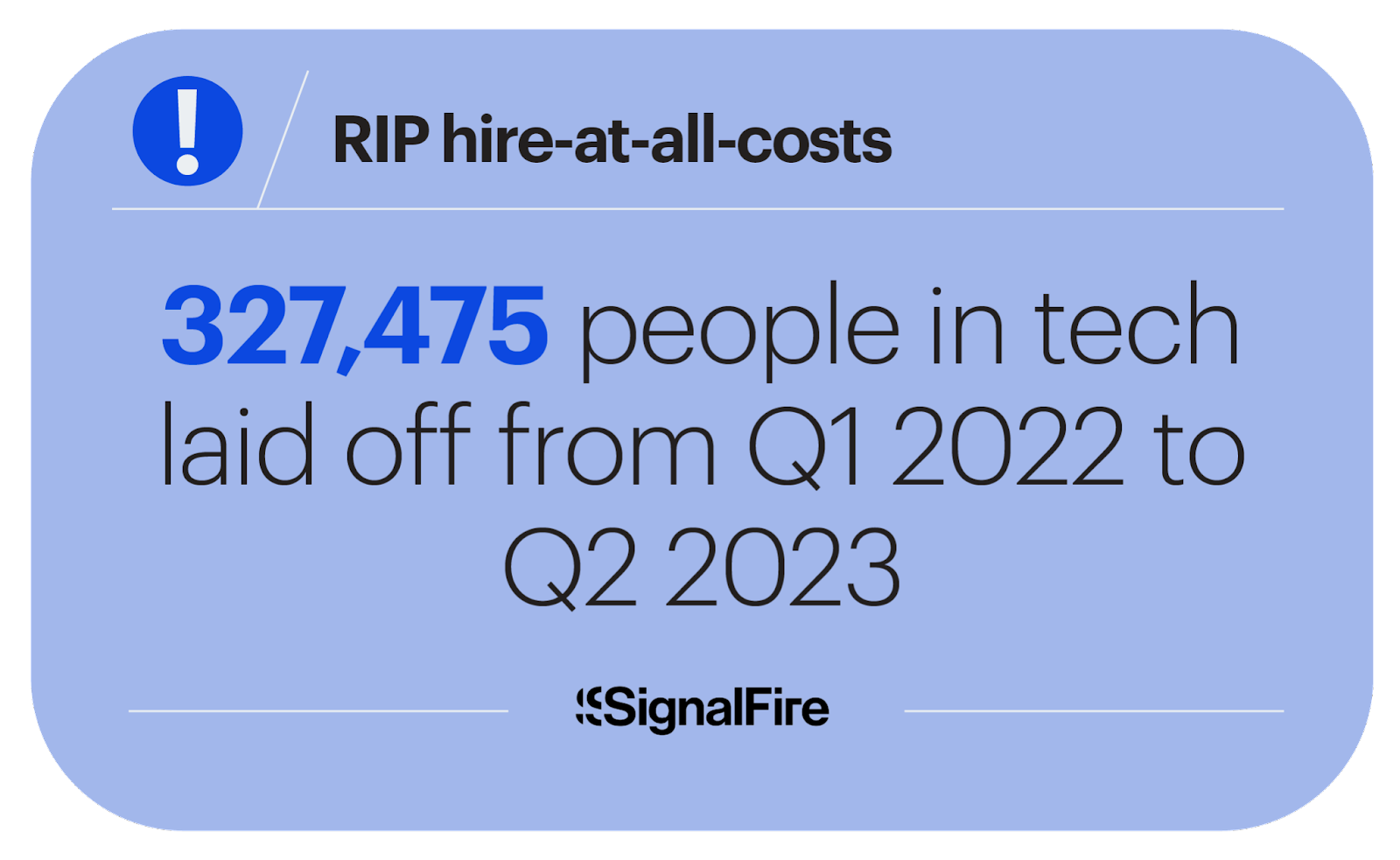
A new research paper, highlighted in a viral tweet by @heynavtoor, reveals that 78,557 tech workers were laid off in the first three months of 2026. The paper's key finding: nearly half of those laid-off roles were replaced by AI systems. This data point, drawn from layoff tracking and corporate disclosures, underscores an accelerating trend of AI-driven workforce substitution in the technology sector.
Context
The figure of 78,557 layoffs in a single quarter represents a substantial acceleration from previous years. For context, the tech industry saw approximately 260,000 layoffs in all of 2023 and roughly 150,000 in 2024. The Q1 2026 number alone is nearly 30% of the 2023 total, suggesting the pace of job displacement is intensifying.
The finding that "nearly half" of these layoffs are directly tied to AI replacement is notable because it moves beyond general speculation about AI's impact on jobs into concrete, measurable data. Previous research and industry reports had estimated that AI could automate 30-40% of certain tech roles by 2030, but this paper suggests the transition is happening faster than many models predicted.
What This Means in Practice
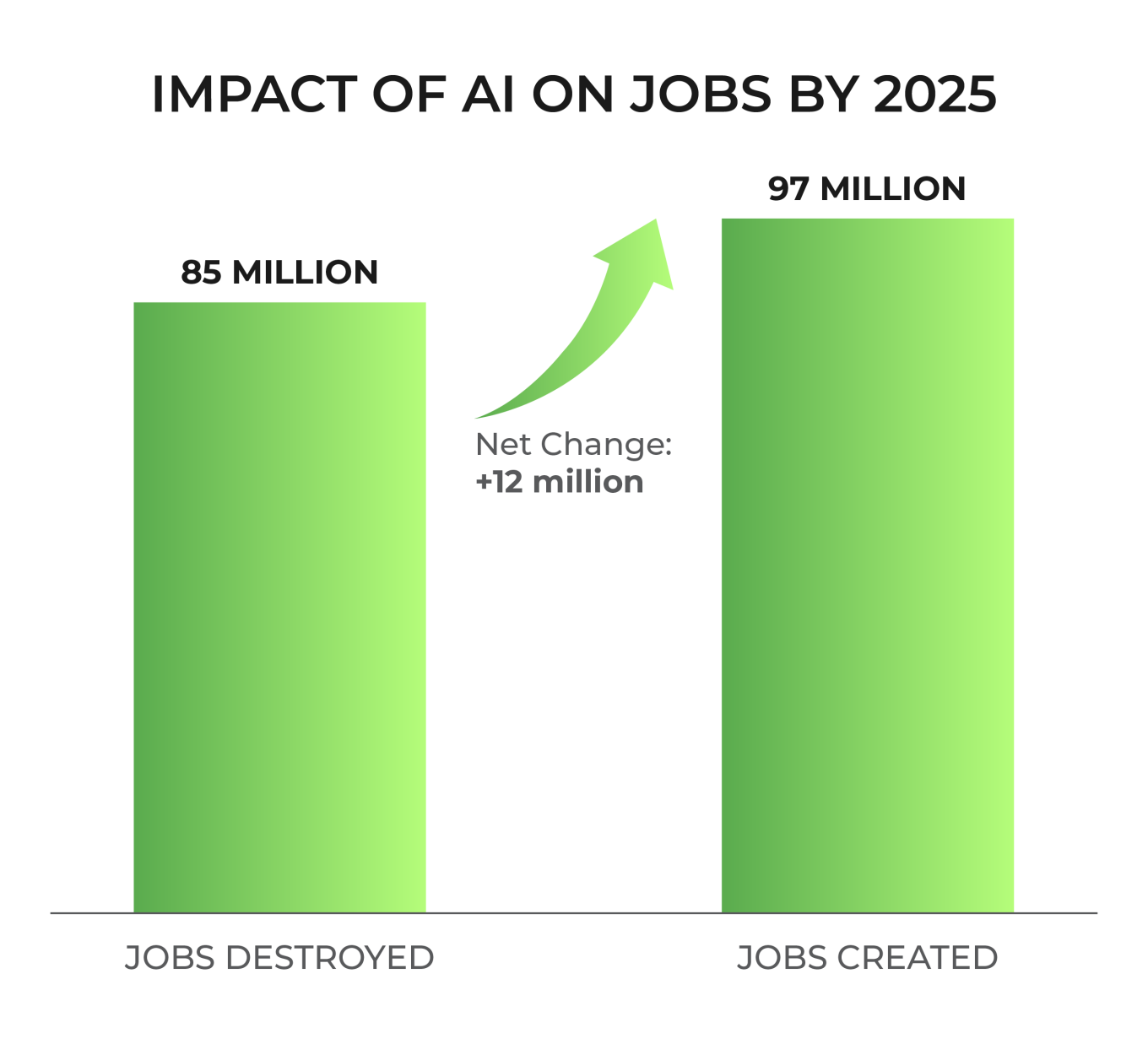
For engineers and technical leaders, this data signals that AI replacement is no longer a future concern but a present reality. Roles in customer support, content moderation, data entry, and some software testing positions appear most vulnerable. However, demand for AI engineers, ML ops specialists, and roles that design, deploy, or maintain AI systems is rising concurrently.
gentic.news Analysis
This paper arrives at a moment when the AI industry is both booming and restructuring. Several major tech companies have simultaneously expanded their AI divisions while cutting headcount in other areas. The Q1 2026 layoff wave includes cuts at companies like Salesforce, Google, and Microsoft, all of which have publicly stated they are reallocating resources toward AI initiatives.
The "nearly half" figure is striking but requires careful interpretation. It likely includes both direct replacement (an AI system performing the exact function of a human worker) and indirect replacement (roles eliminated because AI enables a team to do more with fewer people). The paper's methodology for distinguishing between these categories will be critical for understanding the true scope of AI-driven displacement.
This trend also has implications for the broader economy. Tech layoffs in Q1 2026 are concentrated in knowledge worker roles that were previously considered relatively safe from automation. If this pattern continues, it could reshape hiring practices across the entire white-collar workforce, not just in technology companies.
Frequently Asked Questions
Which tech roles are most affected by AI replacement?
According to the paper, roles in customer support, data entry, content moderation, and basic software testing are among the most commonly replaced by AI. However, the study notes that AI is also beginning to impact more complex roles like junior software engineering and technical writing.
How does the Q1 2026 layoff number compare to previous years?
The 78,557 layoffs in Q1 2026 is significantly higher than the quarterly average for 2024 and 2025. For comparison, the entire year of 2024 saw approximately 150,000 tech layoffs, meaning Q1 2026 alone accounts for more than half of that annual total.
Is AI creating new jobs to replace those lost?
Yes, the paper notes a concurrent increase in hiring for AI-related roles, including ML engineers, data scientists, and AI product managers. However, the total number of new AI jobs is significantly smaller than the number of roles eliminated, resulting in a net decrease in tech employment.
What methodology did the paper use to determine AI replacement?
The paper analyzed corporate layoff announcements, earnings call transcripts, and public statements from companies about the reasons for workforce reductions. It classified a layoff as "AI-related" when the company explicitly cited automation, AI integration, or efficiency gains from AI as a contributing factor.