A viral social media post from marketing influencer Hasan Toor is making a bold claim for 2026: the most effective marketing channel is no longer email or traditional ads, but WhatsApp, powered by AI automation. The post cites staggering metrics of a 98% open rate and a 60% interaction rate, numbers that far exceed typical email marketing benchmarks.
While the source is a brief tweet and lacks detailed methodology, the claim underscores a significant and verifiable trend: the rapid professionalization and automation of conversational platforms like WhatsApp for business-to-consumer (B2C) communication. This isn't about personal chats; it's about the systematic use of AI agents, chatbots, and automation workflows to handle customer service, promotions, and transactions at scale.
What Happened
The claim, presented as a "BREAKING" announcement, positions WhatsApp as the premier marketing channel for the current year (2026). The core argument hinges on two key performance indicators (KPIs):
- Open Rate: 98%
- Interaction Rate: 60%
For context, average email marketing open rates across industries typically range from 15-25%. An interaction rate of 60%—presumably measuring clicks, replies, or other engagements—is also exceptionally high compared to standard digital advertising click-through rates (CTRs), which often fall below 2%.
The implicit driver behind these claimed efficiencies is Artificial Intelligence. AI enables the personalization, timing, and conversational nature of these interactions, moving beyond blast messaging to dynamic, context-aware communication.
Context: The Rise of Conversational AI
This claim does not emerge in a vacuum. The past two years have seen an explosion in platforms and tools designed to bridge large language models (LLMs) with messaging apps. Companies like Meta have heavily invested in their WhatsApp Business API, while countless startups have built layers of automation on top of it.
The shift is from a broadcast model (email, social media ads) to a dialog model. In a dialog model, marketing is a two-way, personalized conversation facilitated by an AI agent that can answer questions, recommend products, and process orders within the same thread. The high open rate is attributed to WhatsApp's notification prominence and personal nature; the high interaction rate is attributed to the relevance and utility of the AI-driven conversation.
What This Means in Practice
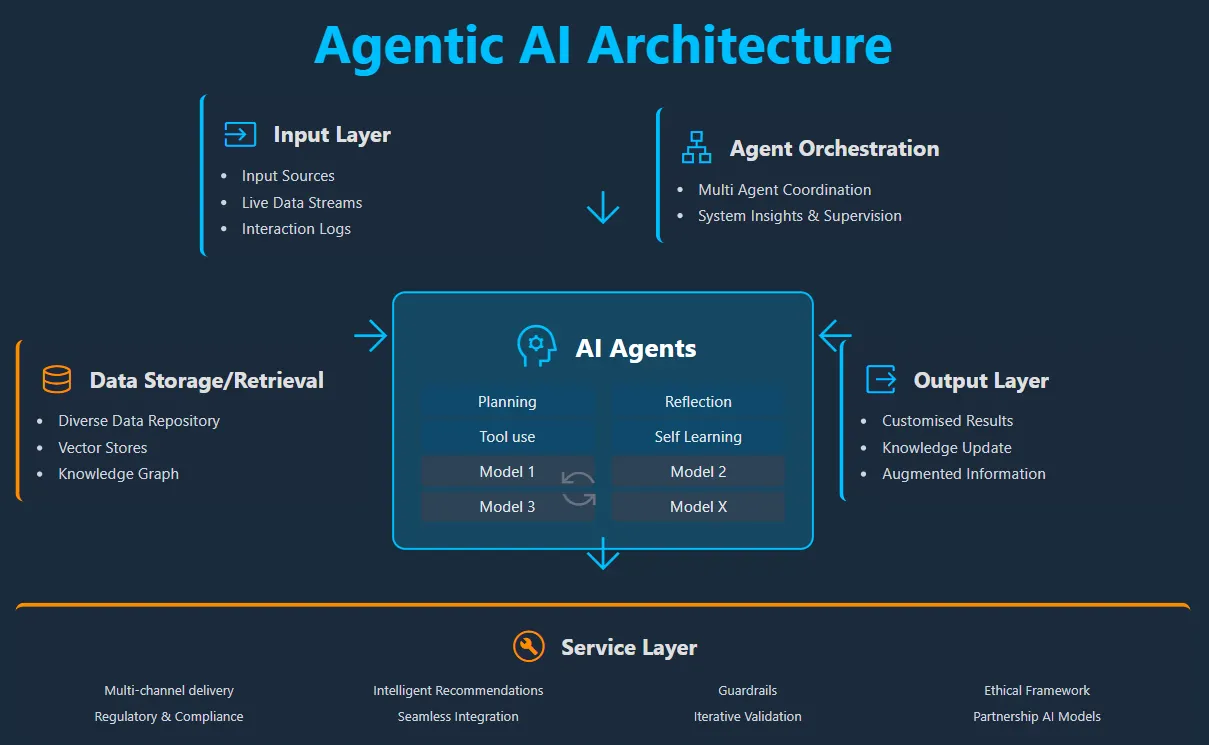
For businesses, this trend means customer relationship management (CRM) and marketing automation are increasingly converging on messaging platforms. Technical implementation involves:
- Integrating with the WhatsApp Cloud API or a Business Solution Provider (BSP).
- Deploying an AI agent or chatbot framework (e.g., built on OpenAI's GPT models, Anthropic's Claude, or open-source alternatives) to handle intent recognition and response generation.
- Connecting the agent to backend systems for inventory, billing, and support tickets.
The promise is a seamless customer journey from ad discovery to post-purchase support, all within a single, familiar app.
gentic.news Analysis
This viral claim, while light on evidence, accurately points to a major, ongoing transformation in the marketing tech stack. It aligns with our previous coverage on the enterprise adoption of AI agents, such as Sierra's $85M Series A to build AI customer service agents and the rapid integration of LLMs into CRM platforms like Salesforce and HubSpot.
The cited metrics (98%/60%) should be viewed as aspirational benchmarks or possible in highly optimized, permission-based scenarios rather than industry averages. However, they highlight the fundamental advantage of conversational AI: inherent engagement. Unlike an email that sits unopened or a banner ad that is ignored, a WhatsApp message generates a notification on a user's primary device, and a well-designed AI agent can sustain a productive dialogue.
From a technical perspective, the key challenge isn't just sending messages, but building AI agents that are truly useful and non-intrusive. This involves advances in reasoning, personalization, and orchestration—ensuring the agent can access the right data and execute the correct actions. Spammy or poorly executed AI conversations on WhatsApp could lead to rapid user opt-outs, destroying channel effectiveness. The trend also raises significant questions about data privacy, platform dependency, and the blurring line between human and automated communication.
Frequently Asked Questions
Is WhatsApp really better than email for marketing in 2026?
For certain use cases—particularly transactional communications, appointment reminders, and personalized customer support—AI-powered WhatsApp can be far more effective due to higher visibility and interactivity. For broad, top-of-funnel brand awareness, traditional channels likely still play a role. The "best" channel depends entirely on the campaign goal and audience.
How do you achieve a 60% interaction rate with AI marketing?
The claimed rate likely requires a foundation of explicit user opt-in and messaging that provides immediate, tangible value (e.g., a shipping update, a personalized discount, or an answer to a specific question). Interaction is driven by utility, not just promotion. AI enables this by dynamically responding to user queries within the conversation.
What are the risks of using AI for WhatsApp marketing?
Major risks include violating WhatsApp's strict anti-spam policies, which can lead to business number bans, and damaging brand trust with poorly designed AI conversations that frustrate users. There are also data privacy considerations (GDPR, etc.) for handling personal data within chats.
What technical stack is needed for AI WhatsApp marketing?
A typical stack involves: the WhatsApp Business API (accessed via a provider like Twilio or MessageBird), a conversational AI platform or custom framework using LLMs (e.g., OpenAI, Anthropic, or open-source models), and integrations with your CRM and e-commerce backend to fetch user data and trigger actions.