The Innovation — What the source reports
A guest column by Lisa de Klerk, Account Director at integrated design and marketing agency WePurple, published in the Moodie Davitt Report, poses a critical question for the luxury and retail industry: Is travel retail ready for agentic AI?
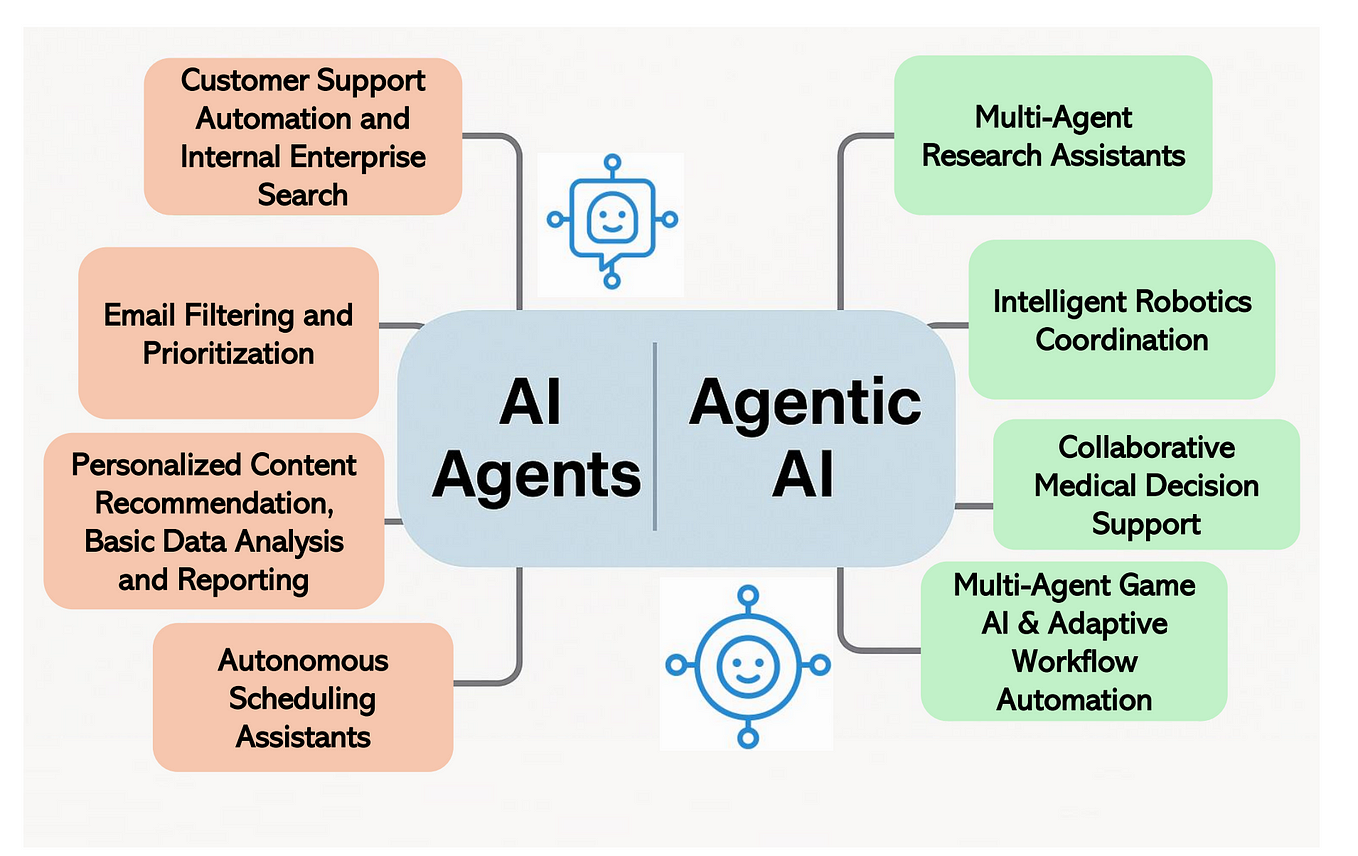
The article, while its full text is not directly accessible in the provided excerpt, is framed as an exploration of agentic AI's potential adoption within the travel retail channel. This sector—encompassing duty-free shops, airport boutiques, and other retail experiences for travelers—represents a high-stakes, high-value environment for luxury brands. The core premise is to examine whether the infrastructure, mindset, and operational models within travel retail are prepared to leverage autonomous AI agents that can perform complex, multi-step tasks.
Why This Matters for Retail & Luxury
For luxury houses, travel retail is not a secondary channel; it's a critical touchpoint with a global, affluent, and captive audience. The application of agentic AI here could be transformative:
- Hyper-Personalized Passenger Journeys: An AI agent could orchestrate a passenger's entire pre-flight and in-airport experience. It might analyze past purchase history, current trip context (destination, occasion), and real-time location to offer personalized product recommendations, reserve items for in-store try-on, schedule personal shopping appointments, and even handle seamless checkout and delivery to the gate or flight.
- Dynamic Inventory & Assortment Optimization: Agents could autonomously analyze real-time passenger flow data, flight origins/destinations, and sales velocity to recommend—or even execute—micro-adjustments to in-store assortment and merchandising. This moves beyond predictive analytics to actionable, automated replenishment and display changes.
- 24/7 Concierge & Customer Service: AI agents could provide continuous, context-aware customer service across digital and physical touchpoints, handling complex queries about product availability, authenticity, customization options, and local tax regulations without human intervention.
- Operational Efficiency in Complex Environments: Managing logistics, staff scheduling, and compliance across multiple airport jurisdictions is notoriously complex. Agentic systems could autonomously handle routine regulatory filings, optimize staff deployment based on predicted passenger surges, and manage supply chain coordination for last-mile delivery to stores.
Business Impact
The business impact hinges on elevating the passenger experience from transactional to relational, thereby increasing average transaction value (ATV) and customer lifetime value (CLV). While the column does not cite specific metrics, the implied value is clear: capturing a greater share of the traveler's wallet through flawless, personalized service. Success would be measured through increased conversion rates, higher ATV in duty-free, and improved Net Promoter Scores (NPS) for the travel retail experience.
This exploration aligns with broader industry projections referenced in our Knowledge Graph, such as Gartner's forecast that 40% of enterprise applications will feature task-specific AI agents by 2026. For luxury brands, the high-value, experience-driven nature of travel retail makes it a prime candidate for early, high-impact agentic AI pilots.
Implementation Approach
Implementing agentic AI in travel retail is a multi-layered challenge requiring significant technical and strategic investment:
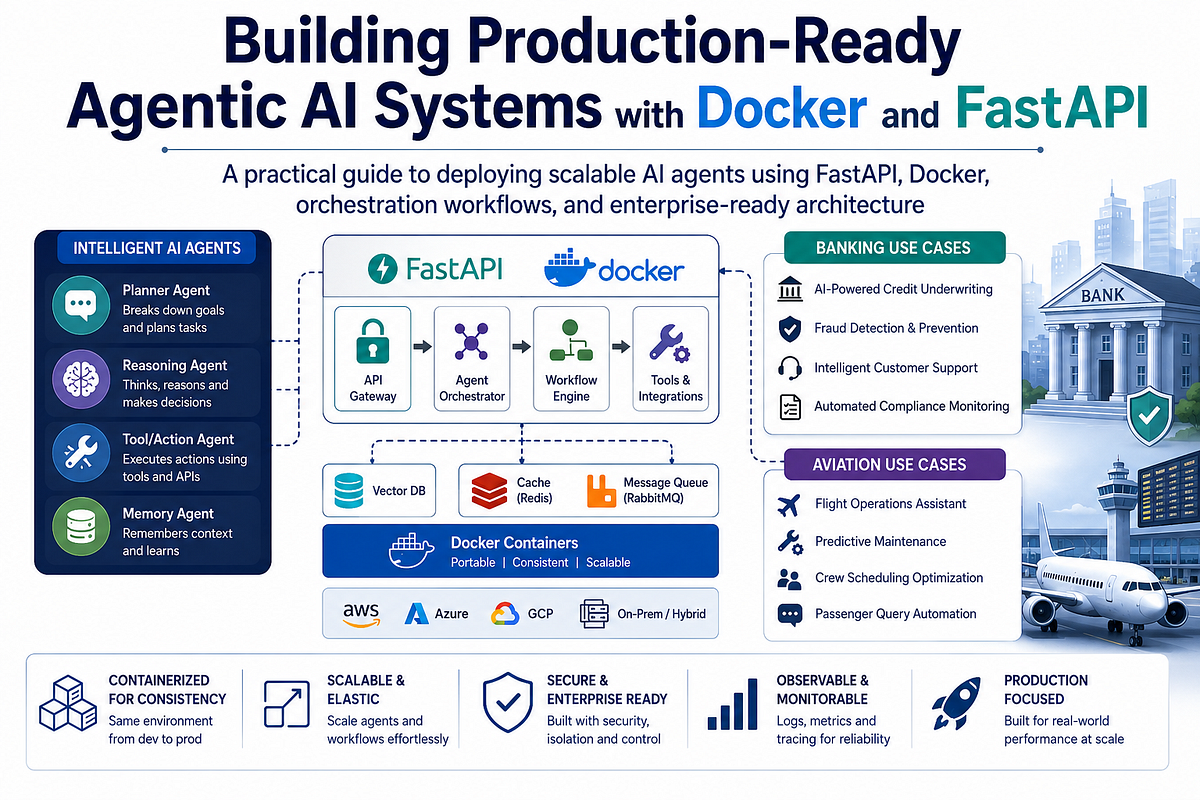
- Foundation Layer (Data & APIs): The prerequisite is a robust, integrated data ecosystem. This includes real-time access to passenger data (with appropriate consent), inventory management systems, CRM, flight information APIs, and in-store IoT sensors. Without this connected data fabric, agents cannot perceive their environment accurately.
- Agent Architecture: Likely a hybrid approach using Agentic RAG (Retrieval-Augmented Generation). Agents would need access to a proprietary knowledge base (product catalogs, brand heritage, compliance rules) and the ability to use tools—calling APIs to check inventory, place holds, or update customer records. As noted in our KG, AI Agents as a technology frequently utilize platforms like Google's Gemini API, which recently launched a
Gemini 3.1 Flash Livemodel preview specifically for real-time multimodal agents. - Orchestration & Governance: A central orchestration layer is needed to manage multiple specialized agents (e.g., a personal shopping agent, a logistics agent, a concierge agent), handle error states, and ensure brand voice consistency. This is where most prototypes fail to reach production.
- Phased Pilots: Successful implementation would start with a contained pilot—perhaps a single airport boutique or a specific service like post-flight re-stocking or personalized pre-order. This limits risk while proving value.
Governance & Risk Assessment
The risks are substantial and must be front-of-mind:
- Privacy & Data Sovereignty: Travel retail operates in international zones with complex data regulations (GDPR, local laws). Processing passenger PII and purchase history across borders requires impeccable legal frameworks and transparent consent mechanisms.
- Brand Safety & Hallucination: An autonomous agent misrepresenting a luxury brand's heritage, making an inaccurate product claim, or "hallucinating" a service promise could cause significant reputational damage. Robust guardrails, continuous monitoring, and a clear human-in-the-loop escalation path are non-negotiable.
- Technical Maturity: As we highlighted in a related article, "The Agentic AI Reality Check: 88% Never Reach Production." The technology, while advancing rapidly, is still nascent. The column's question of "readiness" is apt—many organizations lack the mature data infrastructure and AI engineering practices required for reliable deployment.
- Channel Conflict: An overly effective airport agent could cannibalize sales from a brand's downtown flagship or e-commerce site. Strategy must view the agent as part of an omnichannel ecosystem, not a siloed point solution.
gentic.news Analysis
This guest column touches on a critical inflection point for luxury retail. The question isn't if agentic AI will impact high-touch retail, but where it will first prove viable and valuable. Travel retail, with its unique constraints and opportunities, is a compelling test bed.
The discussion exists within a rapidly evolving competitive landscape. Our KG shows that Google is aggressively building the infrastructure for agentic systems, from its Gemini model family to specialized offerings for real-time agents. Meanwhile, competitors like Anthropic and OpenAI are pushing the boundaries of LLM reasoning and safety, which are foundational to reliable agents. The race to provide the underlying platform for these enterprise agents is intensifying.
Historically, travel retail has been a leader in adopting experiential tech (e.g., immersive displays, digital passports). Adopting agentic AI would be a natural, albeit ambitious, next step. However, leaders should heed the reality check from our prior coverage: the gap between a promising prototype and a production-grade system is vast. Success will depend less on choosing the most powerful LLM and more on the unglamorous work of data integration, orchestration, and designing fail-safe human oversight protocols.
The trend data is telling: Agentic AI appeared in 8 articles this week across our coverage, indicating sustained, high-level industry focus. For luxury brands, the strategic imperative is to start building the data and competency foundations now, through controlled experiments, to be ready when the technology matures for mission-critical deployment in environments as sensitive and valuable as travel retail.