What Happened
Former Goldman Sachs executive and macro investor Raoul Pal has articulated a stark warning for the traditional software industry: agentic AI will "eat" software-as-a-service (SaaS) by making it trivially easy to replicate and improve upon existing products.
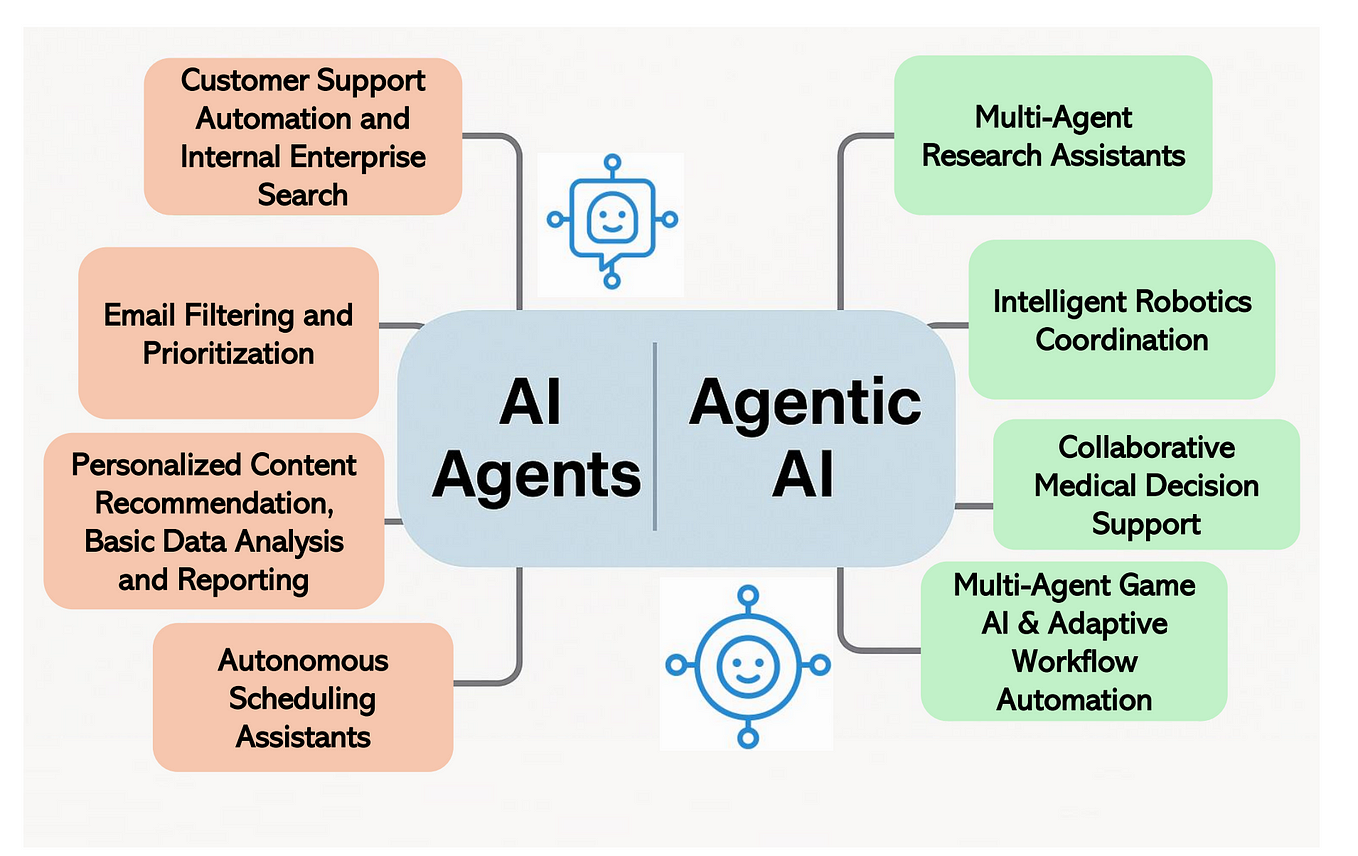
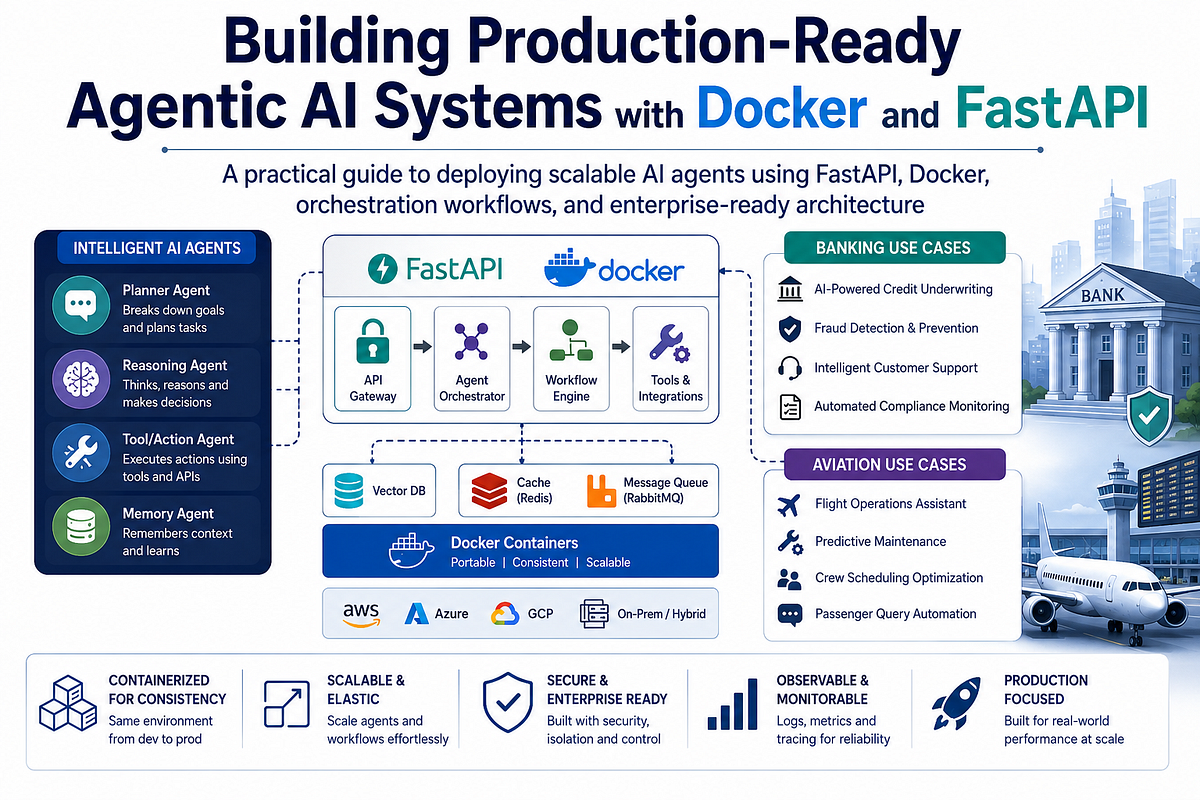
In a discussion highlighted by AI commentator Rohan Paul, Pal described agentic AI as analogous to "having Fiverr, a website of experts you can ask any question. It'll go away and do the task." He extended this analogy to software development, stating that such systems will be capable of building a complete product end-to-end: "Agentic AI will build, design the website, code it, register the domain name, figure out the branding, figure out the marketing, figure out the email list, figure out the whole thing."
The core competitive threat, according to Pal, is the speed and fidelity of replication. He presented a hypothetical scenario: "So then you and I are in competition. You've built this incredible new website. I just go to my AI and say, 'Love Steven's website. Can you just build it better.' Boom. 3 minutes."
This dynamic leads to what Pal acknowledges is a "theory going around that AI is going to eat software, and I kind of get it." The implication is that if a software product's core value is merely its code and feature set—and not a proprietary data moat, network effect, or deep enterprise integration—it becomes vulnerable to near-instantaneous, AI-driven competition.
Context
Raoul Pal is the co-founder and CEO of Real Vision, a financial media platform, and is known for his macroeconomic and technology investment commentary. His perspective builds upon the accelerating capabilities of AI coding assistants (like GitHub Copilot, Cursor, and Devin) and multi-agent frameworks that can chain tasks together.
The concept of "AI eating software" reframes the classic "software is eating the world" mantra for the agentic AI era. It suggests that the barrier to entry for creating functional software is collapsing from months of engineering work to minutes of natural language instruction. This poses a fundamental question for software entrepreneurs: what defensible value remains when the product itself can be so easily cloned and iterated upon?