Cline, a company building developer tools for AI, has launched Cline Kanban, a new platform designed to bring visual structure and management to multi-agent AI workflows. The launch was announced via a tweet from founder Rohan Paul.
The core problem Cline Kanban addresses is the inherent complexity and potential chaos of orchestrating multiple specialized AI agents—such as a researcher, a coder, and a reviewer—to collaborate on a single development task. As these multi-agent systems move from research prototypes to production tools, developers need ways to monitor, debug, and steer the process.
What's New: A Visual Command Center for AI Agents
Cline Kanban provides a visual, board-based interface (akin to tools like Trello or Jira) specifically tailored for AI workflow orchestration. While specific API details or screenshots were not provided in the brief announcement, the platform's stated purpose is to "bring order to the chaos." For developers, this likely translates to:
- Visual Pipeline Mapping: The ability to define a sequence or network of AI agents and see their status in real-time on a Kanban board (e.g., columns for "Research," "Coding," "Review," "Complete").
- State Tracking: Monitoring the input, output, and internal state of each agent as a task card moves through the workflow.
- Intervention Points: Providing manual gates or approval steps where a human developer can review an agent's output before it propagates to the next stage.
- Debugging Visibility: Surfacing errors, context limits, or unexpected behavior from individual agents within the broader workflow context.
Technical Context: The Rise of Multi-Agent Systems
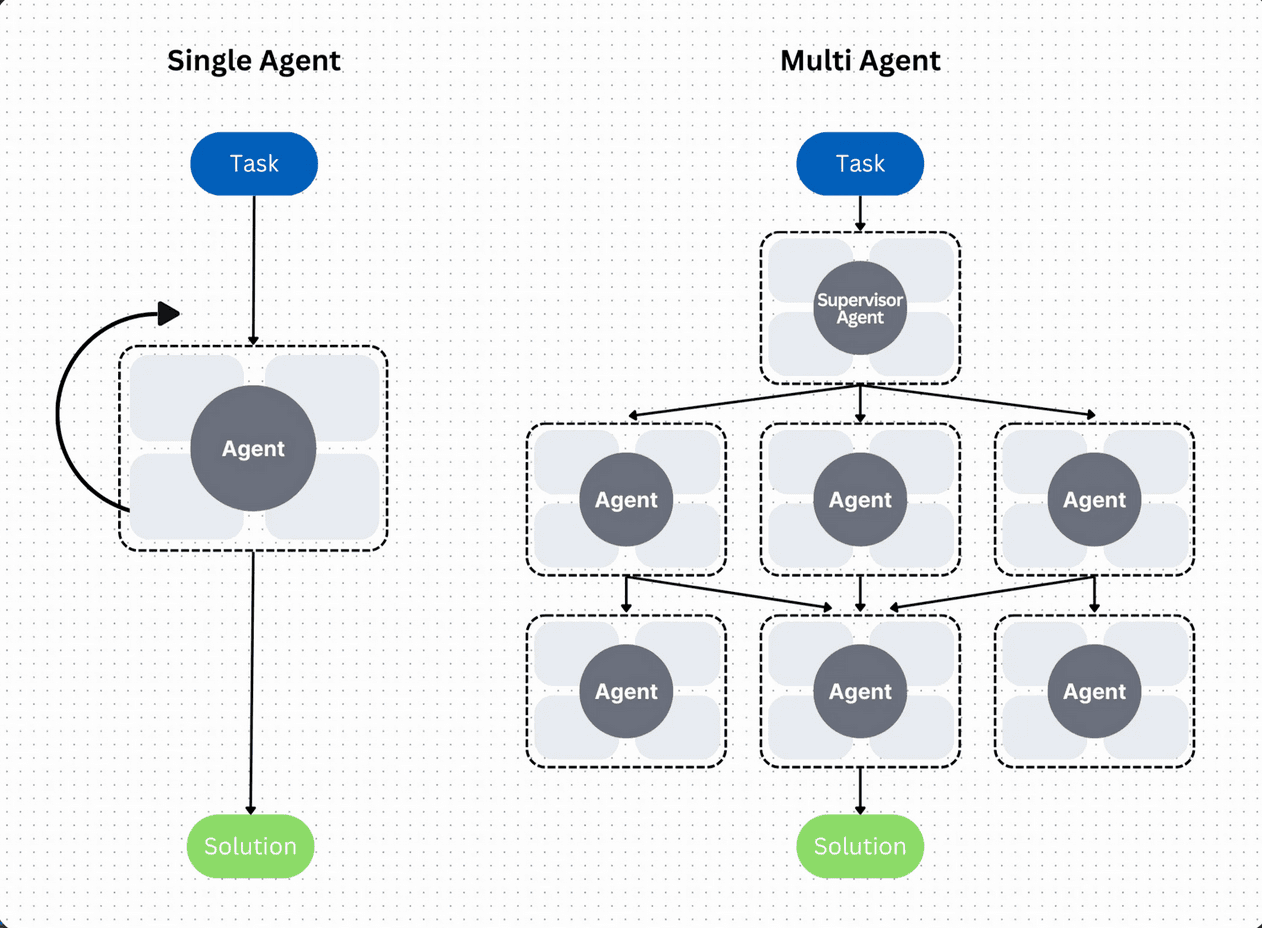
The launch is a direct response to the growing trend of multi-agent frameworks in AI-assisted development. Projects like CrewAI, AutoGen, and LangGraph have gained significant traction by enabling developers to create teams of LLM-powered agents with specialized roles. These systems can outperform single-agent approaches on complex tasks like full-stack feature implementation or documentation generation by dividing labor.
However, the primary challenge with these systems is observability and control. When five agents are passing messages and tools between each other, it becomes difficult to answer basic questions: Which agent is stuck? Why did the coder agent receive bad context? What was the final decision path? Cline Kanban appears to be Cline's answer to this operational gap.
How It Compares: Filling a Tooling Void
Currently, developers building multi-agent systems often resort to custom logging, terminal output, or simple print statements to track workflow state. More advanced users might instrument their agents with tracing tools like LangSmith (from LangChain) or Phoenix (from Arize AI), but these are generally focused on low-level traces and evaluations, not high-level workflow management.
Cline Kanban positions itself at a higher level of abstraction: the project management layer. Instead of tracing individual LLM calls, it seems to focus on the movement of tasks between agent "stations." This makes it less of a direct competitor to tracing tools and more of a complementary platform for team coordination and project visibility.
What to Watch: Integration and Specifics
The initial announcement is light on technical specifics. Key details that will determine the platform's utility include:
- Framework Agnosticism: Will it only work with Cline's own agentic systems, or can it integrate with popular frameworks like CrewAI or AutoGen?
- Programmability: Is the Kanban board simply a read-only visualization, or can developers define conditional workflows and rules within the UI?
- State Management: How does it handle the potentially large context and state objects passed between agents?
For developers experimenting with multi-agent AI, Cline Kanban represents a step toward professionalizing the toolchain. Its success will depend on the depth of its integrations and its ability to reduce cognitive overhead without adding new complexity.
gentic.news Analysis
Cline's launch of Kanban is a logical and timely move within the rapidly evolving AI developer tools landscape. It follows the company's core focus on building an AI-native IDE, as we covered in our previous analysis of the AI coding assistant space. This launch signals a strategic expansion from assisting single-developer tasks (like writing a function) to managing complex, automated processes involving multiple AI actors.
This aligns with a clear trend we've been tracking: the operationalization of AI agents. As evidenced by the rising popularity of frameworks like CrewAI and LangGraph, the community is rapidly moving past simple chat-based AI to structured, multi-step AI systems. However, the tooling for monitoring and managing these systems in production has lagged behind. Cline Kanban is a direct attempt to fill that gap. It positions Cline not just as a coding copilot, but as a platform for AI-augmented software project management.
Furthermore, this development connects to a broader competitive dynamic. Companies like Windmill and n8n are building low-code workflow engines that can incorporate AI steps. Cline's approach is distinct in being developer-centric and deeply integrated into the code creation process itself. The key question is whether Cline can establish its Kanban platform as the standard visual interface for AI agent orchestration before larger players in the IDE (e.g., JetBrains with its AI Assistant) or CI/CD (e.g., GitHub) spaces build similar native features. By moving early, Cline is attempting to define the category.
Frequently Asked Questions
What is Cline Kanban?
Cline Kanban is a visual platform launched by the company Cline, designed to help developers manage, monitor, and orchestrate workflows that involve multiple interacting AI agents. It uses a Kanban board interface to provide a high-level view of tasks as they move between different specialized agents.
How is Cline Kanban different from AI tracing tools like LangSmith?
While tools like LangSmith provide detailed, low-level traces of individual LLM calls, tool usage, and token consumption, Cline Kanban operates at a higher level of abstraction. It focuses on the flow of tasks or work items between agent roles (e.g., from Planner to Coder to Tester), offering a project management view rather than a granular performance debugger. They can be complementary tools.
What are multi-agent AI workflows?
Multi-agent AI workflows involve coordinating multiple instances or "agents" of large language models, each with a specialized role (like researcher, programmer, or critic), to collaboratively complete a complex task. For example, one agent might break down a feature request, another writes the code, and a third reviews it. Frameworks like CrewAI and AutoGen enable developers to build these systems.
Do I need Cline's IDE to use Cline Kanban?
Based on the initial announcement, it is not explicitly clear if Cline Kanban is a standalone web platform or a feature integrated solely into the Cline IDE. Its value would be maximized if it offers API-based integrations that allow it to visualize workflows running in various environments, but this detail awaits further technical documentation from the company.