Nous Research released a desktop app for Hermes Agent on March 25, 2026. The app replaces the CLI-only interface with a native UI supporting multi-agent management and persistent memory.
Key facts
- Release date: March 25, 2026.
- Replaces CLI-only interface with native desktop UI.
- Supports multi-agent management and persistent memory.
- Enables local infrastructure and autonomous workflows.
- From Nous Research, creators of Hermes Agent.
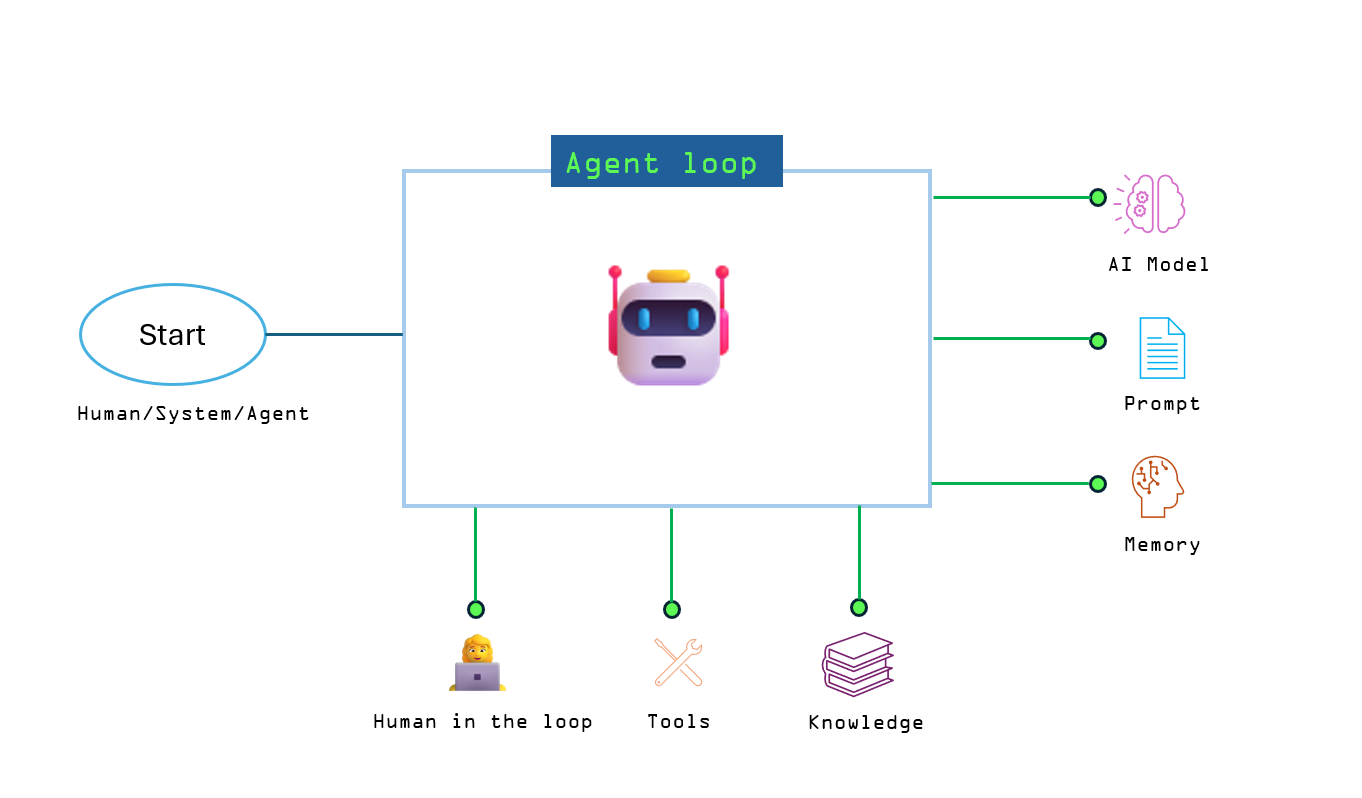
Nous Research has released a desktop app for its Hermes Agent, moving the self-evolving 24/7 autonomous AI agent from a command-line interface to a native graphical user interface. [According to @intheworldofai] The app supports multi-agent management, persistent memory, autonomous workflows, and local infrastructure support inside one interface.
Unique take: While many AI agents remain experimental or require cloud APIs, Hermes Agent's desktop app signals a push toward local, persistent autonomy — a shift from episodic task completion to continuous operation. This contrasts with agents like AutoGPT that often rely on browser-based or API-mediated interactions.
What the app offers
The Hermes Agent Desktop App enables running the self-evolving 24/7 autonomous AI agent from Nous Research inside a full native desktop UI instead of only the CLI. [Per the announcement] It supports multi-agent management, persistent memory, autonomous workflows, and local infrastructure support all inside one app. The company did not disclose the number of users or pricing details.
Context and competition
Nous Research has positioned Hermes Agent as a self-improving system that can operate continuously without human intervention. The desktop app expands access to developers who prefer graphical interfaces over command-line tools. It competes with other autonomous agent frameworks like AutoGPT, CrewAI, and Microsoft's Copilot Studio, though none offer a dedicated native desktop app with persistent memory.
Technical implications
The move to a desktop app suggests Nous Research is targeting local execution, which could reduce latency and improve data privacy compared to cloud-reliant agents. The app's support for local infrastructure means users can run agents entirely offline, a differentiator in a market dominated by API-based services.
What to watch
Watch for adoption metrics: GitHub stars, download counts, and community contributions to Hermes Agent. Also track whether Nous Research releases a macOS or Windows version (current app likely Linux-first given open-source roots). Competitors may follow with desktop apps for their own agents.