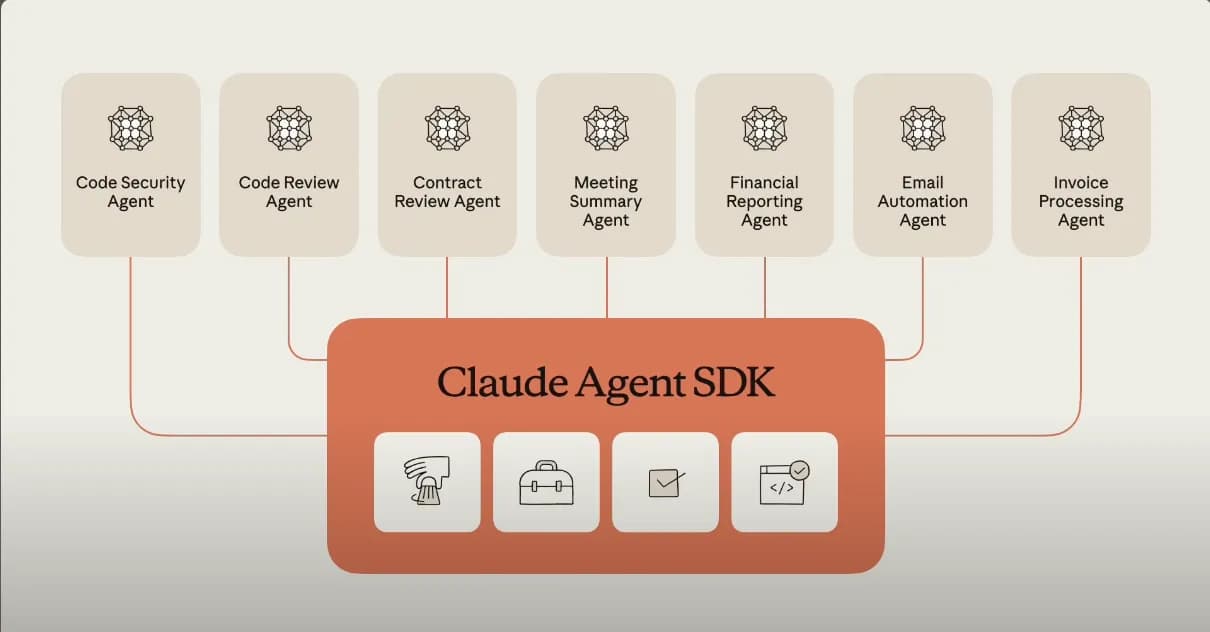
After Claude Code outages, developers need reliable alternatives. Hermes Agent v0.9.0 provides a framework to run open models through standard APIs, offering Claude Code-like functionality at significantly lower costs.
What Hermes Agent Actually Does
Hermes Agent is Nous Research's open-source agent framework that works with any OpenAI-compatible endpoint. Version 0.9.0 (April 2026) adds critical features for coding workflows:
- Automatic provider failover: The
fallback_modelfeature now uses structured API error classification to distinguish rate limits from server errors, preventing unnecessary switching while ensuring reliability - Background process monitoring: The
watch_patternsfeature lets the agent monitor build/test output in real-time without manual polling - Context budget management: Prevents mid-task stopping during long multi-file sessions
- Native tool-call parsing: Works with Qwen 2.5/3 and Hermes 3 models without parsing overhead
The Cost-Quality Matrix: What Actually Works
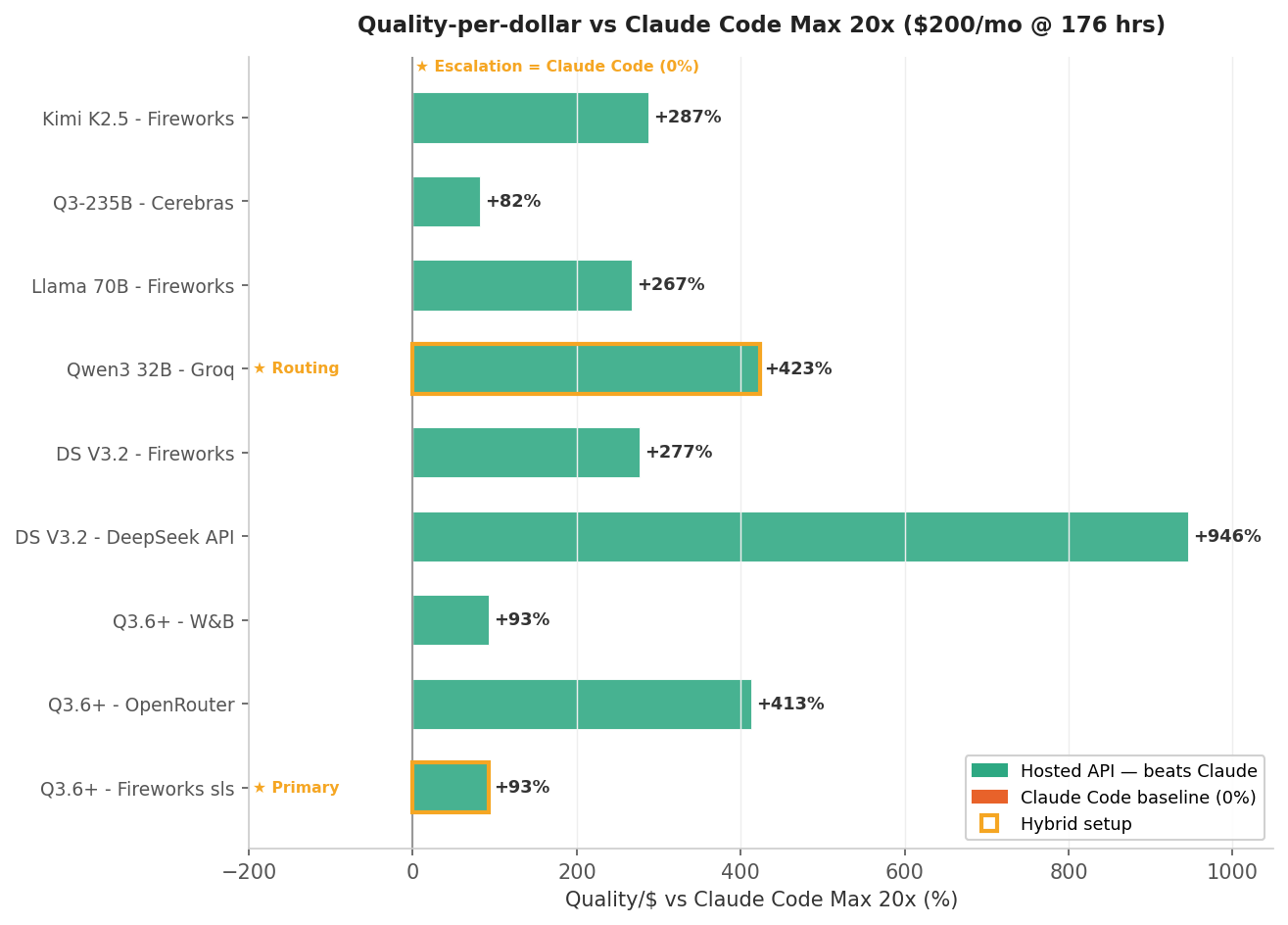
Based on benchmarks comparing against Claude Code Max 20x ($200/month):
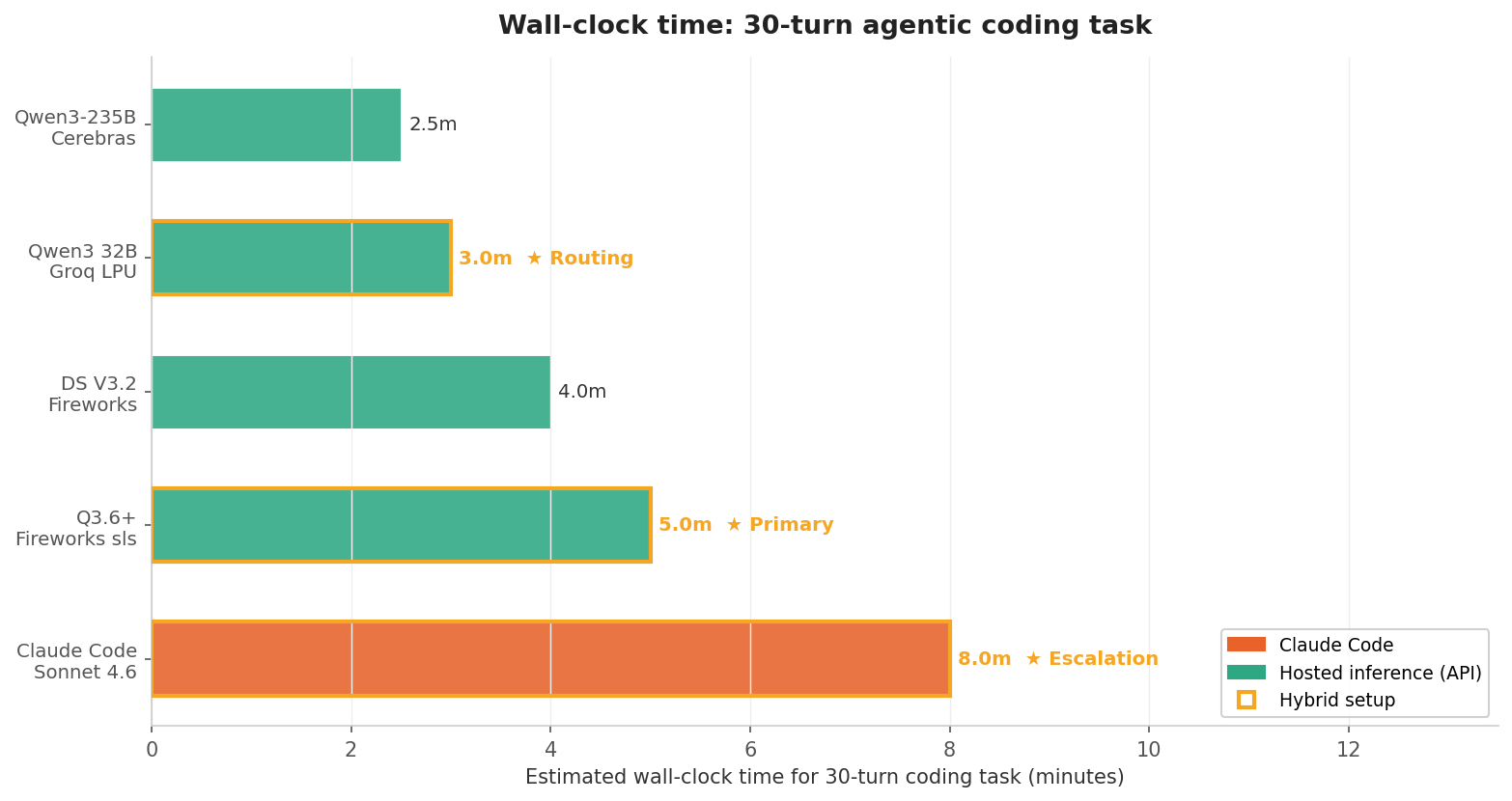
Best balance (quality 8.7/10):
# Qwen3.6 Plus via Fireworks serverless
Cost: ~$0.56/hour
Latency: Lower than any aggregator
Quality gap: 0.5 points behind Claude Code
Budget-conscious option:
# Qwen3.6 Plus via OpenRouter
Cost: ~$0.21/hour
Latency: Slightly higher
Pure budget option:
# DeepSeek V3.2 via DeepSeek API
Cost: ~$0.09/hour
How to Set Up Your Hybrid System
- Install Hermes Agent:
pip install hermes-agent
- Configure provider chain:
# hermes_config.yaml
providers:
  primary:
    model: "qwen/qwen-3.6-plus"
    endpoint: "https://api.fireworks.ai/inference/v1"
    api_key: ${FIREWORKS_API_KEY}

  fallback:
    model: "qwen/qwen-3.6-plus"
    endpoint: "https://openrouter.ai/api/v1"
    api_key: ${OPENROUTER_API_KEY}

  emergency:
    model: "deepseek/deepseek-v3.2"
    endpoint: "https://api.deepseek.com/v1"
    api_key: ${DEEPSEEK_API_KEY}

fallback_rules:
  - error_type: "rate_limit"
    retry_count: 2
    switch_after: 3
  - error_type: "server_error"
    switch_immediately: true
- Set up task routing:
# task_router.py
import hermes_agent
from claude_code import ClaudeCodeClient

def route_task(task_complexity, file_count):
    """Route tasks based on complexity"""
    if task_complexity > 8 or file_count > 5:
        # Complex multi-file refactors → Claude Code
        return ClaudeCodeClient().execute(task)
    else:
        # Routine tasks → Hermes with open models
        return hermes_agent.execute(task)
When to Stick with Claude Code
The benchmarks show Claude Code still leads on:
- Complex multi-file refactors where "first-try-right" matters
- SWE-bench verified tasks requiring highest accuracy
- Tool-use reliability for complex workflows
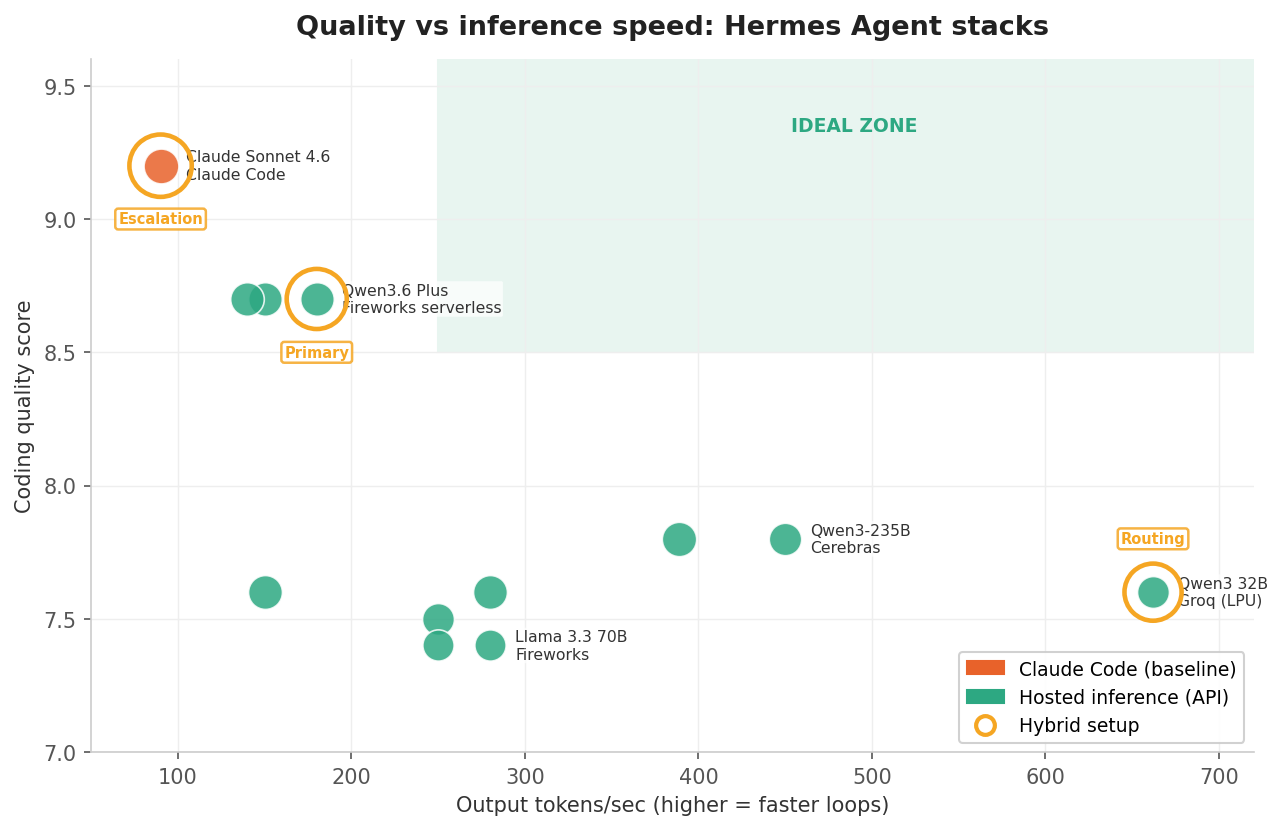
Hermes Agent's SWE-bench performance ranges 40-80% depending on the backend model, while Claude Code maintains consistent high performance.
Practical Implementation Tips
Use Claude Code for escalation only: Configure your workflow to default to Hermes Agent, with manual or automatic escalation to Claude Code for complex tasks
Monitor cost-quality ratio: Track which tasks succeed with open models vs. requiring Claude Code
Implement gradual rollout: Start with non-critical tasks on Hermes Agent before moving core workflows
Keep Claude Code for validation: Use Claude Code to review complex changes made by open models
This hybrid approach gives you Claude Code's reliability when you need it, while cutting costs significantly on routine development tasks.