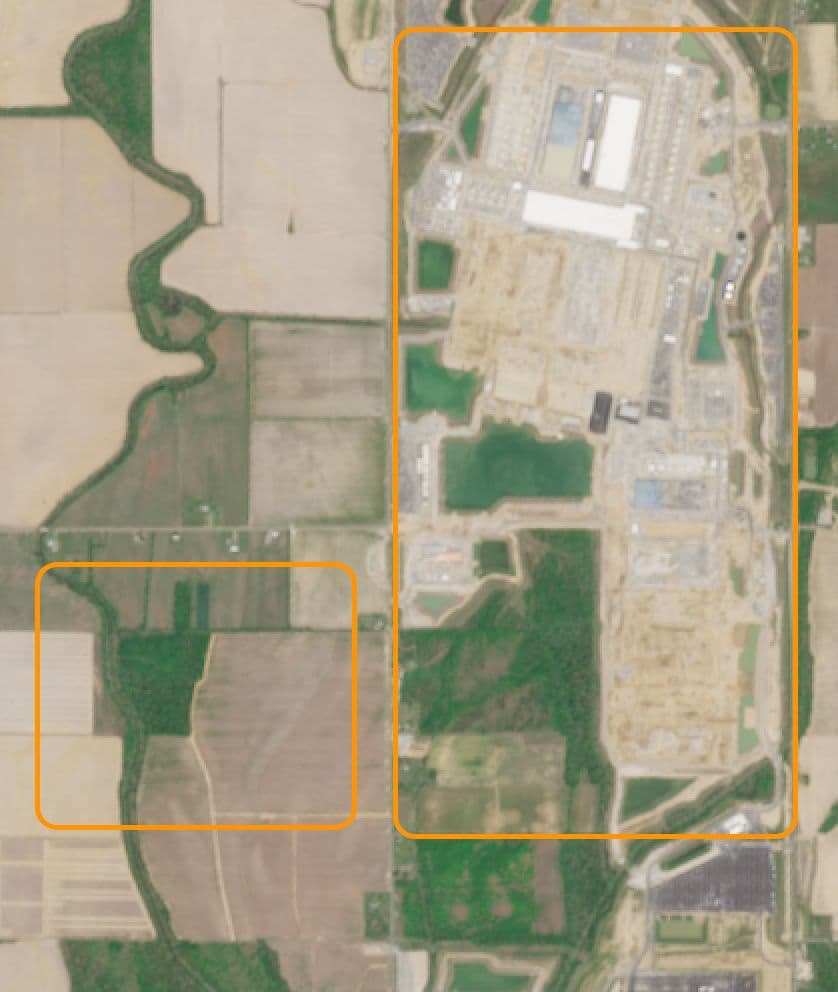
Datacenter developers are increasingly siting projects on unincorporated county land to avoid city council approvals. This regulatory arbitrage is redrawing the map of large-scale AI infrastructure, per @SemiAnalysis_.
Key facts
- Developers bypass city council approvals on unincorporated land.
- Municipal zoning can delay builds by 12–24 months.
- Unincorporated sites often lack existing fiber and water infrastructure.
- Counties may offer tax incentives to attract datacenter projects.
Datacenter developers are increasingly planning projects on unincorporated county land, and it's not an accident. [According to @SemiAnalysis_] Outside city limits, they can sidestep city council approvals, municipal zoning votes, and urban land-use reviews. This is redrawing the map of where large-scale AI infrastructure gets built.
The Regulatory Arbitrage Play
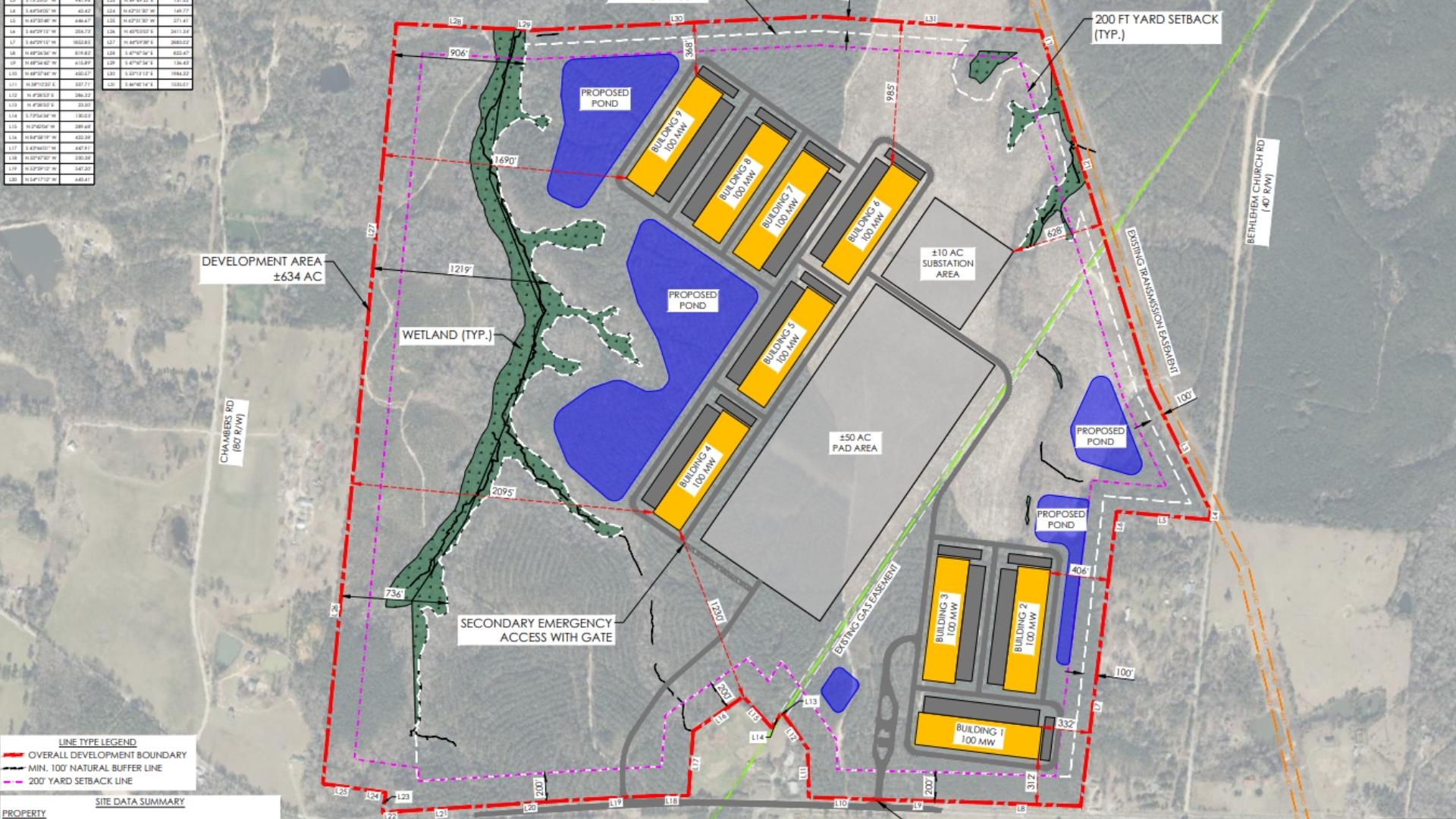
Municipal zoning processes can delay datacenter builds by 12–24 months, with public hearings and environmental reviews often drawing opposition from local residents. Unincorporated county land falls under county-level planning commissions, which typically have fewer procedural hurdles and less NIMBY (Not In My Backyard) activism. The shift allows developers to secure permits faster and begin construction sooner, a critical advantage given the intense demand for AI compute capacity.
Implications for Infrastructure Geography
Historically, hyperscale datacenters clustered near major urban hubs with fiber backbones and power grids. The pivot to unincorporated land pushes new projects into rural or exurban areas, often near substations or renewable energy sources. This trend could reshape power procurement strategies and local tax bases, as counties may offer tax incentives to attract projects that cities would reject. [According to @SemiAnalysis_] The result is a decentralized buildout that prioritizes speed over proximity to talent or customers.
What This Means for AI Supply Chains

For AI companies and cloud providers, faster permitting translates directly to shorter time-to-market for new clusters. However, unincorporated sites often lack existing fiber, water, and road infrastructure, requiring developers to invest heavily in site preparation. The tradeoff between regulatory speed and infrastructure readiness will determine which developers succeed in this new landscape.
What to watch
Watch for county-level tax incentive packages announced in Q3 2026, particularly in Texas, Virginia, and Ohio, and whether municipal opposition shifts to county-level land-use battles. Also track the first major hyperscaler to publicly disclose a datacenter on unincorporated land.
[Updated 09 May via gn_ai_data_center]
The regulatory arbitrage trend now faces a counter-movement: as of April 2026, 50 jurisdictions across the U.S. have enacted active datacenter bans, per Tom's Hardware. A separate poll indicates a majority of New Jersey voters support such bans, signaling growing public resistance that could extend to unincorporated county land if activists shift their focus from city councils to county planning boards.