The Innovation: Salesforce's Strategic Pivot to Agentic AI
Salesforce, the global leader in customer relationship management (CRM) software, is placing a significant strategic bet on agentic AI to reignite its core sales growth. This move represents a fundamental evolution beyond the current paradigm of AI as a co-pilot or assistant. While the source article from Yahoo Finance Canada focuses on the financial implications for Salesforce's business, the underlying technological shift is clear: Salesforce is integrating autonomous AI agents capable of executing multi-step workflows with minimal human intervention directly into its CRM platform.
The context from the knowledge graph underscores the significance of this trend. Industry analysts, including Gartner, project that 40% of enterprise applications will feature task-specific AI agents by 2026. Even more striking for commerce, a separate industry report predicts that autonomous AI agents could facilitate 50% of all online transactions by 2027. Salesforce's push positions it at the forefront of this transition, aiming to embed these autonomous capabilities into the daily workflows of sales, service, and marketing teams.
Why This Matters for Retail & Luxury
For luxury and retail brands, whose operations are deeply integrated with CRM systems for clienteling, customer service, and personalized marketing, this shift is not incremental—it's transformative. The move from AI as a suggestion engine to AI as an autonomous executor changes the fundamental value proposition of enterprise software.
Concrete scenarios for retail include:
- Automated Clienteling & Outreach: An AI agent could autonomously monitor a VIP client's purchase history, recent website browsing, and social media sentiment. It could then draft a personalized outreach email, schedule a follow-up task for a human sales associate, and even initiate a complimentary gift shipment—all within a single, triggered workflow.
- Intelligent Customer Service Resolution: Instead of simply suggesting answers to a service agent, an agentic AI could directly access order systems, process a return or exchange, generate a shipping label, update the CRM, and notify the customer—resolving tier-1 issues end-to-end without human involvement.
- Proactive Inventory & Personalization: Agents could analyze real-time sales data, weather patterns, and event calendars in key cities to autonomously generate and execute micro-marketing campaigns or stock transfer requests between boutiques.
Business Impact: From Efficiency to Revenue Generation
The potential business impact moves beyond cost savings from automation. The core promise of agentic AI in a CRM context is revenue acceleration. By automating complex, time-consuming processes, sales teams can focus entirely on high-touch, high-value interactions that define luxury retail. The AI agent handles the administrative burden of data entry, follow-up scheduling, and initial qualification, freeing human creativity and relationship-building skills for where they matter most.
While the source article questions if this can "reaccelerate" Salesforce's growth, for users of Salesforce in retail, the metric shifts to sales velocity, client retention rates, and average order value. An agent that can ensure no VIP request goes unanswered and every post-purchase follow-up is perfectly timed directly influences these key performance indicators.
Implementation Approach & Technical Requirements
Implementing agentic AI is not a simple plugin. It requires a robust technical foundation that Salesforce is likely building or acquiring:
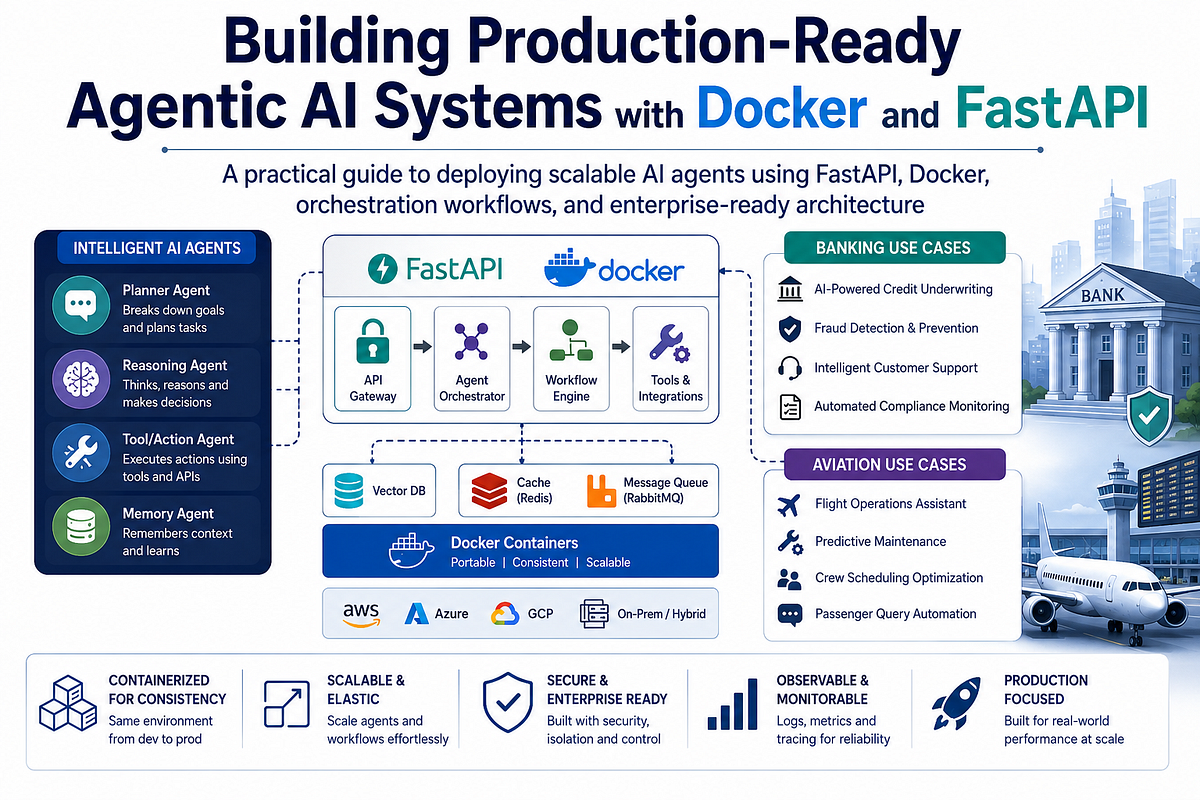
- Advanced Orchestration Frameworks: Moving from single prompts to multi-step plans requires sophisticated reasoning and workflow engines. This is the core of "agentic" capability.
- Secure Tool Integration: Agents must have sanctioned, secure access to a wide array of tools and APIs—from inventory management and payment systems to email and calendar platforms—to execute actions.
- Guardrails & Governance: Autonomous action necessitates extremely strong guardrails. For luxury brands, this means strict controls over brand voice, discounting authority, data privacy (especially with PII and purchase history), and compliance protocols.
- Human-in-the-Loop (HITL) Design: Critical for high-stakes environments. The system must be designed to seamlessly escalate to a human agent when confidence is low or the request exceeds predefined boundaries.
Governance & Risk Assessment for Luxury
The autonomy granted to agentic AI introduces new categories of risk that luxury brands must govern meticulously:
- Brand Dilution Risk: An autonomous agent making a tone-deaf communication or offering an inappropriate promotion can damage brand equity instantly. Governance models must include real-time content moderation and style adherence checks.
- Data Privacy & Sovereignty: Agents processing European client data for personalization must adhere to GDPR. Their actions and the data they access create new audit trails and compliance requirements.
- Bias in Action: While LLM bias in text is a known issue, bias in action—such as which customer segments receive proactive outreach or premium offers—is a more consequential and opaque risk. Continuous monitoring of agent behavior across customer cohorts is essential.
- Maturity & Reliability: The technology, while promising, is still emerging. Gartner's 2026 projection indicates it is on the ascent but not yet mature. Brands should pilot in controlled, low-risk scenarios (e.g., internal workflow automation, back-of-house inventory tasks) before deploying customer-facing agentic systems.
Salesforce's bet signals that the era of conversational AI assistants is giving way to the era of action-oriented AI agents. For the retail and luxury sector, this represents the next major frontier in personalization and operational excellence, but one that demands a strategic, governed, and phased approach to implementation.