Key Takeaways
- HubSpot is making a strategic push into agentic AI for its CRM platform, aiming to automate multi-step business processes.
- This represents a direct challenge to the 'old guard' of enterprise CRM, primarily Salesforce and Microsoft Dynamics.
What Happened: HubSpot's Strategic AI Pivot

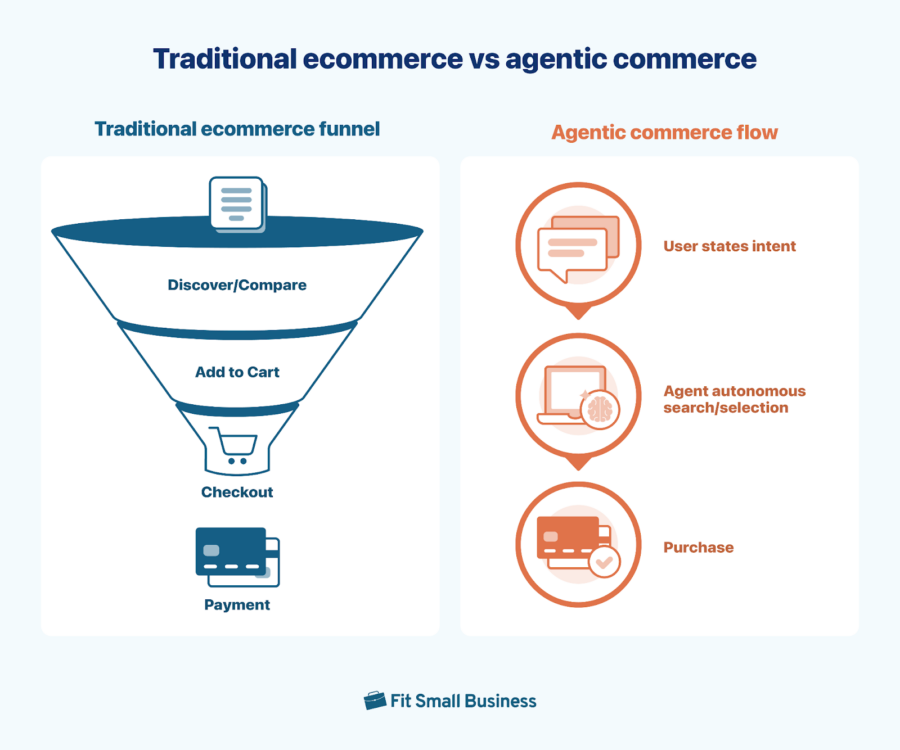
According to analysis from The Futurum Group, HubSpot is placing a significant strategic bet on agentic AI to enhance its Customer Relationship Management (CRM) platform. Unlike simple chatbots or co-pilots that assist with single tasks, agentic AI refers to systems capable of autonomously executing multi-step workflows to achieve a defined business goal. This move is positioned as a potential disruptor to the established enterprise CRM market leaders, namely Salesforce and Microsoft.
The core thesis is that by embedding sophisticated, goal-oriented AI agents directly into its CRM, HubSpot can offer mid-market and enterprise customers a more automated, intelligent, and efficient system for managing customer interactions, marketing campaigns, and sales pipelines. This goes beyond generating an email draft; it could involve an agent analyzing a lead's behavior, qualifying them against internal criteria, scheduling a follow-up task for a sales rep, and drafting a personalized outreach—all without human intervention.
Technical Details: The Shift from Assistants to Agents
The key differentiator here is the shift from AI assistants to AI agents. An assistant typically requires step-by-step prompting and supervision (e.g., "write a follow-up email," "summarize this deal"). An agent is given a higher-level objective (e.g., "nurture this marketing-qualified lead to a sales-accepted lead") and independently determines and executes the sequence of necessary actions using available tools and data within the CRM.
For this to work, HubSpot's platform needs robust foundations:
- A Unified Data Model: The AI agent must have access to clean, structured, and comprehensive customer data across marketing, sales, and service hubs.
- Tool Integration: The agent must be able to safely interact with various platform functions—updating records, sending emails, creating tasks, generating reports.
- Orchestration & Governance: A framework to manage the agent's actions, ensure compliance with business rules, and provide audit trails is critical.
HubSpot's existing all-in-one platform and historically strong focus on usability could provide an advantage in integrating these agentic workflows seamlessly for its user base.
Retail & Luxury Implications: Automating the Client Journey
For retail and luxury brands, CRM is the central nervous system for managing high-value client relationships. The promise of agentic AI in this context is profound, though its maturity for mission-critical luxury clienteling remains unproven.
Potential Applications Could Include:
- 360-Degree Client Onboarding: An AI agent could automatically compile a new client's profile post-purchase by pulling data from the POS, email interactions, and website behavior, then populate the CRM and schedule a personalized thank-you communication from a client advisor.
- Proactive Re-engagement: Instead of analysts manually running reports, an agent could continuously monitor client inactivity, trigger a review of past purchases, and suggest a tailored re-engagement campaign (e.g., an invite to a private viewing of a new collection aligned with their taste).
- Event Management Automation: From managing VIP invite lists based on complex criteria (purchase history, product affinity, region) to handling RSVPs and post-event follow-up tasks, an agent could orchestrate large parts of the process.
- Cross-Channel Journey Orchestration: An agent could ensure a seamless handoff between digital marketing (which captured a lead) and in-store concierge, providing the store team with a synthesized dossier before the client arrives.
The critical gap between this promise and production reality lies in the nuanced, high-touch nature of luxury relationships. An AI agent making an incorrect assumption or executing a poorly timed, generic action could damage a carefully cultivated relationship. Initial use cases will likely be in internal process automation (data hygiene, report generation) and assisting human advisors with intelligence, rather than fully autonomous client-facing actions.
Business Impact & Competitive Landscape
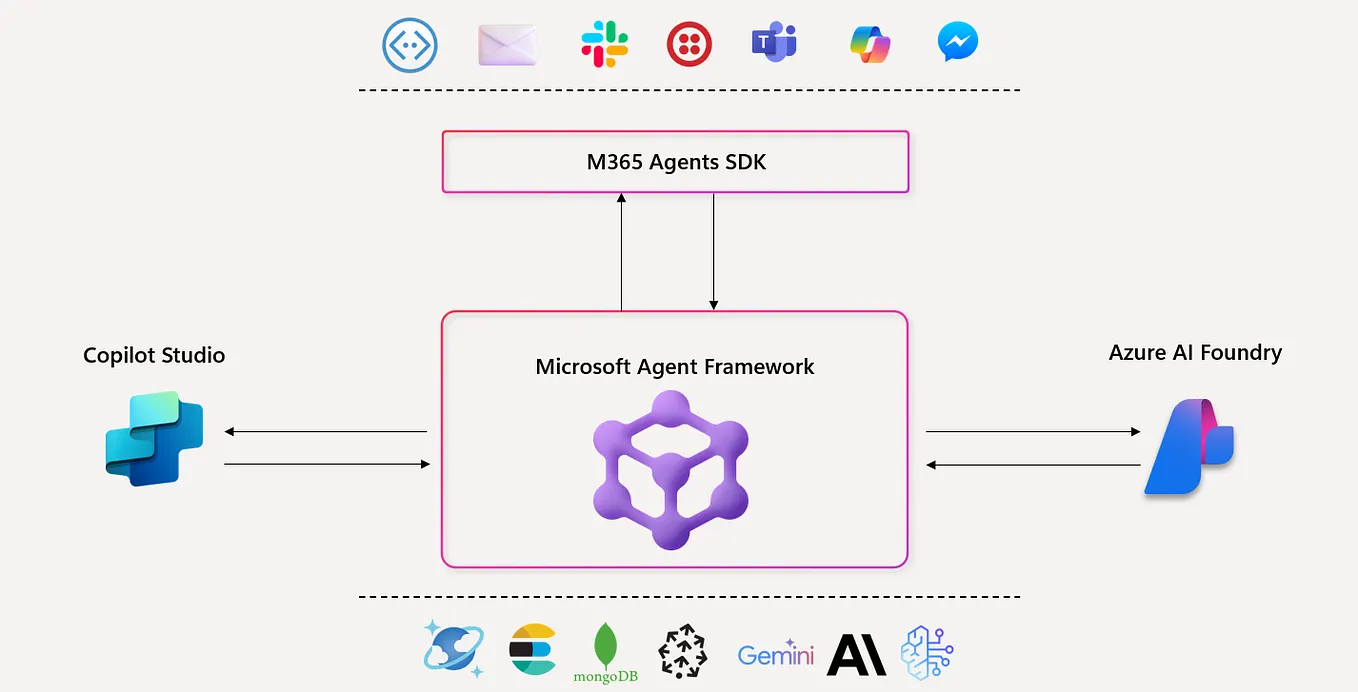
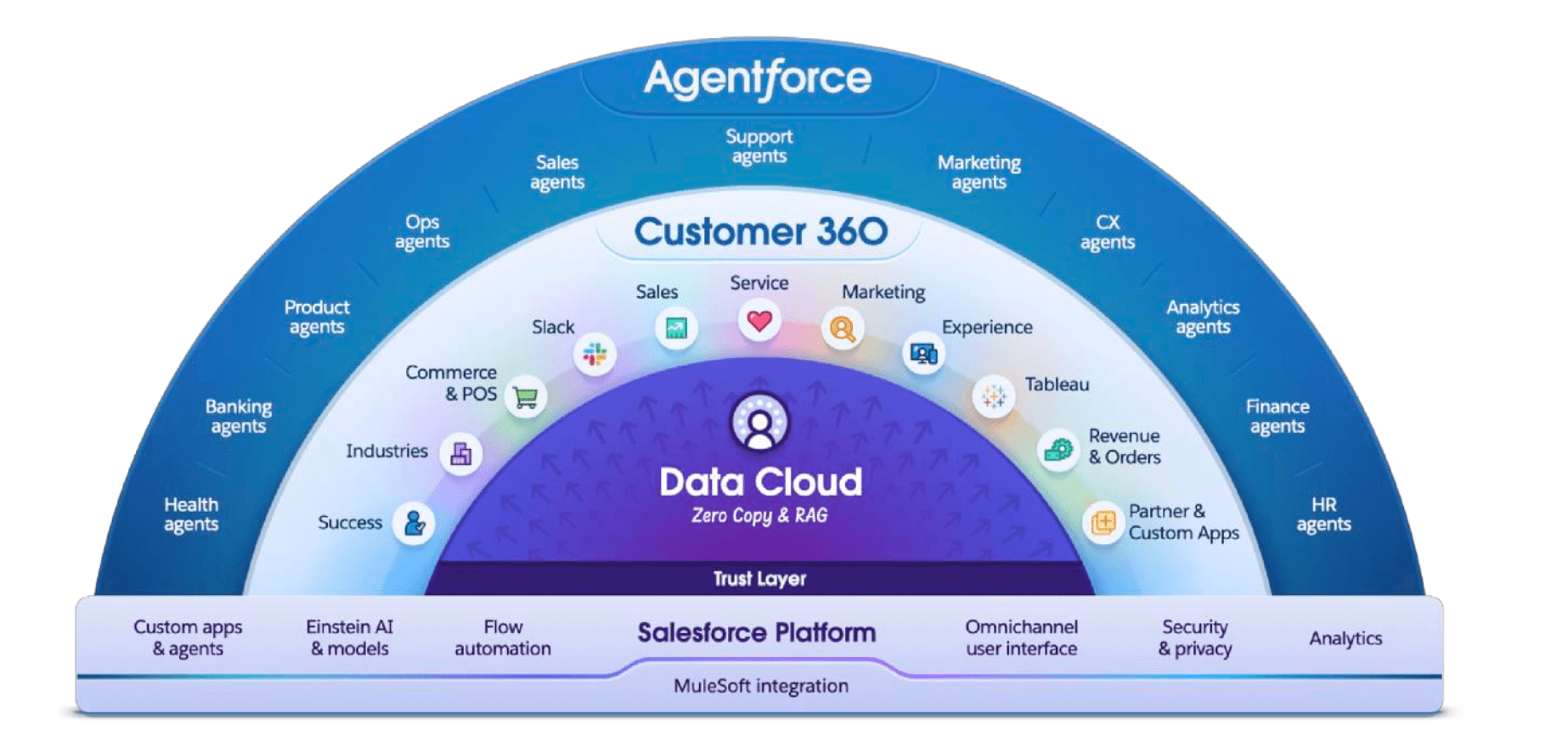
HubSpot's bet is a direct challenge to Salesforce's Einstein and Microsoft's Copilot dynamics within CRM. Salesforce, with its vast ecosystem and recent heavy investment in AI through the Salesforce Einstein 1 Platform, is the incumbent to beat. Microsoft leverages the deep integration of its Copilot with the ubiquitous Microsoft 365 suite. HubSpot's play is to differentiate through deeper workflow automation (agents vs. assistants) and its historically strong product-led growth motion targeting the mid-market, which includes many digitally-native vertical brands in retail.
For retail CIOs and CDOs, this signals increased competition and innovation in the CRM vendor space, which could lead to more powerful, AI-native capabilities becoming standard. The choice may increasingly become between the vast ecosystem of a Salesforce, the productivity suite integration of Microsoft, and the potentially more automated, workflow-centric approach of a challenger like HubSpot.
Implementation Approach & Governance
Adopting agentic AI within a CRM is not a light switch flip. For a luxury brand, the approach must be incremental and governed:
- Pilot Internally: Start with agents automating back-office data processes and internal reporting.
- Assist, Don't Replace: Deploy agents as co-pilots to human client advisors, suggesting next best actions and automating administrative follow-up.
- Establish Guardrails: Implement strict governance controls. Define clear boundaries for autonomous action (e.g., an agent can schedule a task but cannot send a client email without human approval).
- Audit Continuously: Maintain full transparency into every action taken by an AI agent for quality control and client trust.
The technical requirement is a CRM platform with a modern, API-first architecture and the vendor's committed AI roadmap. The complexity is high, as it involves re-thinking business processes around AI capabilities.
gentic.news Analysis
This development is part of the accelerating AI-infusion race within enterprise SaaS, a trend we've tracked closely. It follows Salesforce's major launch of the Einstein 1 Platform and a suite of AI tools in 2023, and Microsoft's pervasive integration of Copilot across its Dynamics 365 and Office suites. HubSpot's move confirms that agentic workflow automation is becoming the next major battleground beyond simple conversational AI.
For the retail and luxury sector, where CRM systems like Salesforce, Microsoft Dynamics, and Adobe Experience Cloud are foundational, this competition is beneficial. It pressures all vendors to innovate faster on automating the complex, multi-touchpoint client journey. However, it also creates a strategic dilemma: should brands wait for their incumbent vendor (often Salesforce) to mature its agentic capabilities, or explore best-of-breed challengers like HubSpot for specific use cases? The risk of platform fragmentation and data silos is real.
The key takeaway for technical leaders is to evaluate these platforms not just on their current AI features, but on their vision and architecture for autonomous, multi-step workflow execution. The vendor that can most reliably, safely, and intelligently automate the gap between customer insight and executed action will gain a significant advantage. For now, luxury brands should engage in rigorous testing and scenario planning with these emerging agentic tools, prioritizing internal efficiency gains before any client-facing autonomy.