The Innovation — What the source reports
The National Retail Federation (NRF), the world's largest retail trade association, has released a report or guidance titled "Managing and Governing Agentic AI in Retail." While the full text of the report is not provided in the source, its publication by the NRF signals a major industry acknowledgment of the shift from passive AI tools to autonomous, goal-oriented agents.
This guidance arrives at a pivotal moment. Recent industry projections, referenced in the knowledge graph, indicate that autonomous AI agents could facilitate 50% of all online transactions by 2027. Furthermore, analyst firm Gartner projects that 40% of enterprise applications will feature task-specific AI agents by 2026. The NRF's intervention is a direct response to this accelerating trend, aiming to provide retailers with a structured framework for responsible adoption.
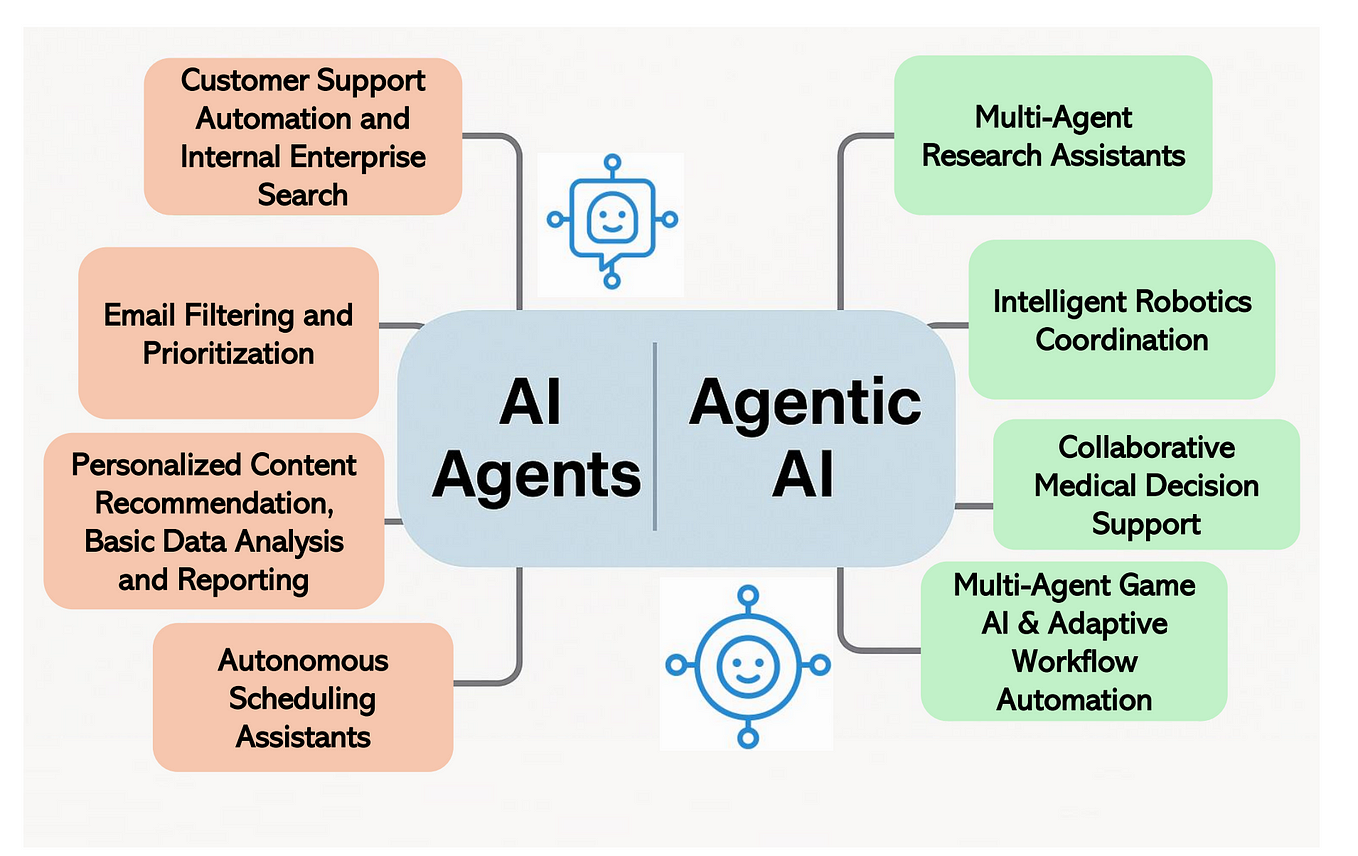
The core subject, Agentic AI, refers to systems that can autonomously perceive, plan, and execute complex sequences of tasks to achieve a defined goal, with minimal human intervention. In a retail context, this moves beyond chatbots that answer questions to systems that can, for example, autonomously manage a customer's entire returns process, rebalance inventory across a network of stores, or conduct personalized multi-channel marketing campaigns.
Why This Matters for Retail & Luxury — Concrete Scenarios and Departments
For luxury and retail leaders, the NRF's focus on governance is not academic—it's a prerequisite for unlocking value while protecting brand equity. Agentic AI represents a fundamental shift in operational capability.
Customer Experience & Commerce:
- Hyper-Personalized Concierge Agents: An agent could track a VIP customer's browsing history, past purchases, and stated preferences to autonomously curate a seasonal lookbook, secure items from limited collections, and schedule a private viewing or virtual try-on session—all through a natural language interface.
- Autonomous Transaction Facilitation: As projected, agents could handle complex transactions like configuring a bespoke product (e.g., a monogrammed bag with specific leather and hardware), managing the payment plan, and arranging white-glove delivery.
- Intelligent Post-Purchase Support: An agent could manage a return or repair by diagnosing the issue via customer-uploaded photos, generating a prepaid shipping label, tracking the item to the workshop, and updating the customer—without human case management.
Supply Chain & Operations:
- Dynamic Inventory Agents: Agents could autonomously make micro-decisions to prevent stockouts or overstock. For example, an agent monitoring real-time sales data in Milan and weather forecasts in Tokyo might proactively shift a shipment of raincoats to meet anticipated demand.
- Sustainable Logistics Optimization: Agents could continuously analyze carbon footprint data, carrier performance, and delivery promises to autonomously reroute shipments for optimal sustainability and cost, a key concern for modern luxury brands.
Marketing & Merchandising:
- Campaign Orchestration Agents: An agent could be tasked with launching a new fragrance. It would autonomously coordinate asset generation (copy, imagery), schedule deployments across email, social, and paid channels, A/B test creatives, and reallocate budget in real-time based on performance.
Business Impact — Quantified if Available, Honest if Not
The NRF report itself likely outlines potential benefits, which align with the broader industry projections. The most striking figure is the projection that agents could facilitate 50% of online transactions by 2027. This suggests a transformative impact on cost structure (reducing manual transaction handling) and revenue (enabling more complex, high-value sales).
Other potential impacts include:
- Labor Productivity: Shifting human staff from repetitive transactional tasks to high-touch, brand-building customer relationships and complex problem-solving.
- Operational Resilience: 24/7 autonomous systems capable of responding to issues (e.g., a logistics delay) immediately, at any hour.
- Data-Driven Decision Velocity: Moving from periodic reports analyzed by humans to continuous, autonomous optimization loops in areas like pricing, promotion, and inventory placement.
The critical caveat is that these benefits are contingent on effective governance. An ungoverned agent making pricing decisions or interacting with high-net-worth clients poses immense reputational and financial risk.
Implementation Approach — Technical Requirements, Complexity, Effort
The NRF guidance likely emphasizes that governance is not an afterthought but a foundational component of the implementation architecture.
- Define the Agent's "World" and Guardrails: Before any code is written, clearly map the digital environment the agent will operate in (APIs, data sources, tools) and establish immutable rules. For a luxury clienteling agent, guardrails might include: "Never promise a delivery date outside of our service-level agreement," or "Always escalate conversation to a human agent when a customer expresses frustration more than twice."
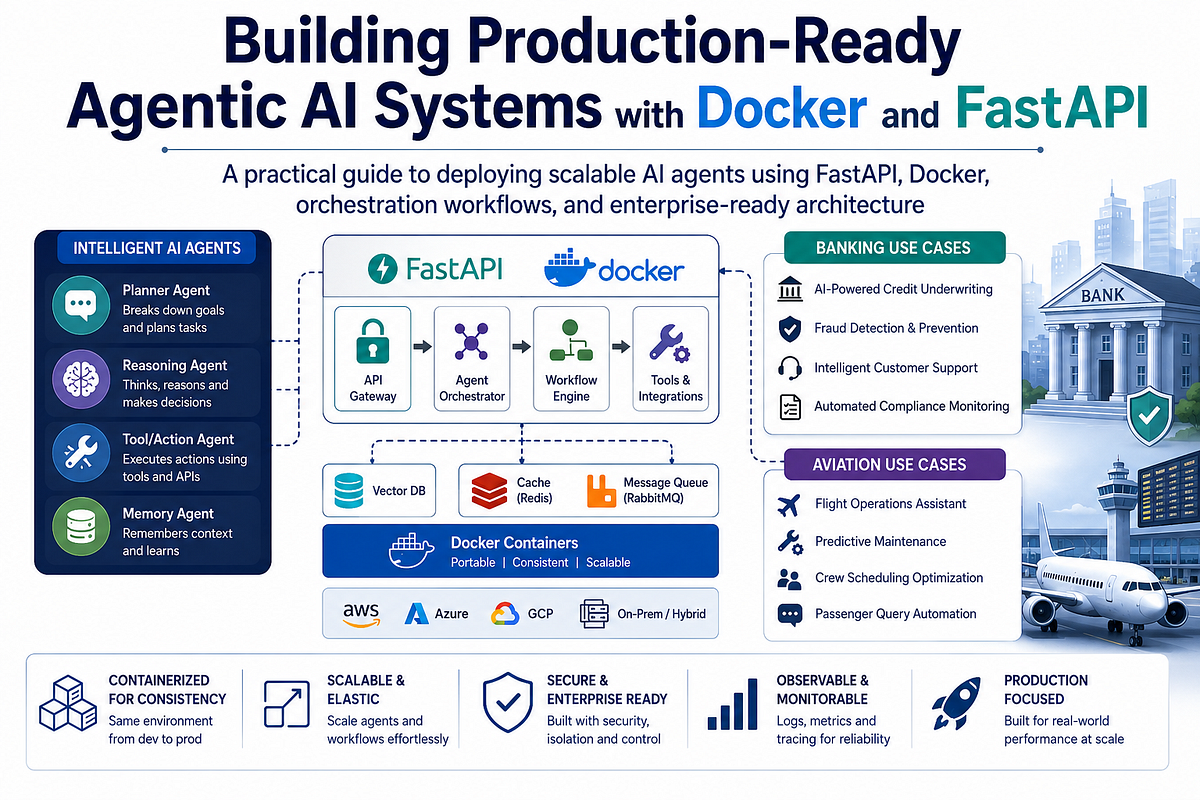
- Adopt an Agent Framework with Governance in Mind: Leverage platforms like Google Cloud Vertex AI or frameworks that support the emerging Agent2Agent protocol (which Google is developing to standardize agent communication). These provide infrastructure for monitoring, auditing, and controlling agent actions.
- Implement Layered Oversight:
- Technical Oversight: Continuous logging of the agent's reasoning chain (its "thought process"), actions taken, and outcomes. Tools for automatic intervention if the agent attempts an unauthorized action.
- Business Process Oversight: Regular audits by cross-functional teams (legal, compliance, brand, IT) to ensure the agent's behavior aligns with policy and brand voice.
- Human-in-the-Loop (HITL) Triggers: Pre-defined conditions that immediately pause the agent and hand control to a human (e.g., transaction value over $50,000, a request to change a core customer record).
- Start with Contained Pilots: Begin with an agent governing a single, well-defined process with clear boundaries, such as automating the generation of product descriptions for a new line. This allows the governance model to be tested and refined before scaling to customer-facing or mission-critical functions.
Governance & Risk Assessment — Privacy, Bias, Maturity Level
This is the core contribution of the NRF report. Key risk areas for luxury retail include:
- Brand Dilution & Voice: An agent interacting with customers must perfectly emulate the brand's tone—whether it's the discreet luxury of a heritage house or the vibrant energy of a streetwear label. Unsupervised, an agent could generate off-brand communications.
- Data Privacy & Sovereignty: Agents operating across global markets must navigate GDPR, CCPA, and other regulations autonomously. A governance failure could lead to an agent improperly storing or transferring a client's personal data.
- Bias and Fairness: An agent tasked with personalizing offers could inadvertently discriminate based on correlated data points, offering inferior service or products to certain customer segments. Governance must include ongoing bias detection in the agent's decision-making patterns.
- Financial & Operational Risk: An inventory agent with flawed logic could autonomously order millions in excess stock, or a pricing agent could trigger a race-to-the-bottom with competitors.
- Maturity Level: Agentic AI is in its early enterprise adoption phase. The technology is advancing rapidly (e.g., Google's Gemini models, Agent2Agent protocol), but best practices for governance are still being codified. The NRF report is a significant step in establishing those industry-specific practices. Retailers should view early adoption as a strategic capability-building exercise, with a clear understanding that the governance framework will evolve alongside the technology.
In conclusion, the NRF's publication is a clarion call to the industry. The age of Agentic AI is not coming; it is arriving, with profound implications for how retail operates. For luxury brands, where trust, brand equity, and customer relationship are paramount, establishing a robust governance framework is not just about risk mitigation—it is the essential enabler that will allow them to harness the power of autonomy without compromising the values that define them.