ByteDance Delays Global Launch of Seedance 2.0 AI Following Hollywood Copyright Complaints

ByteDance Delays Global Launch of Seedance 2.0 AI Following Hollywood Copyright Complaints

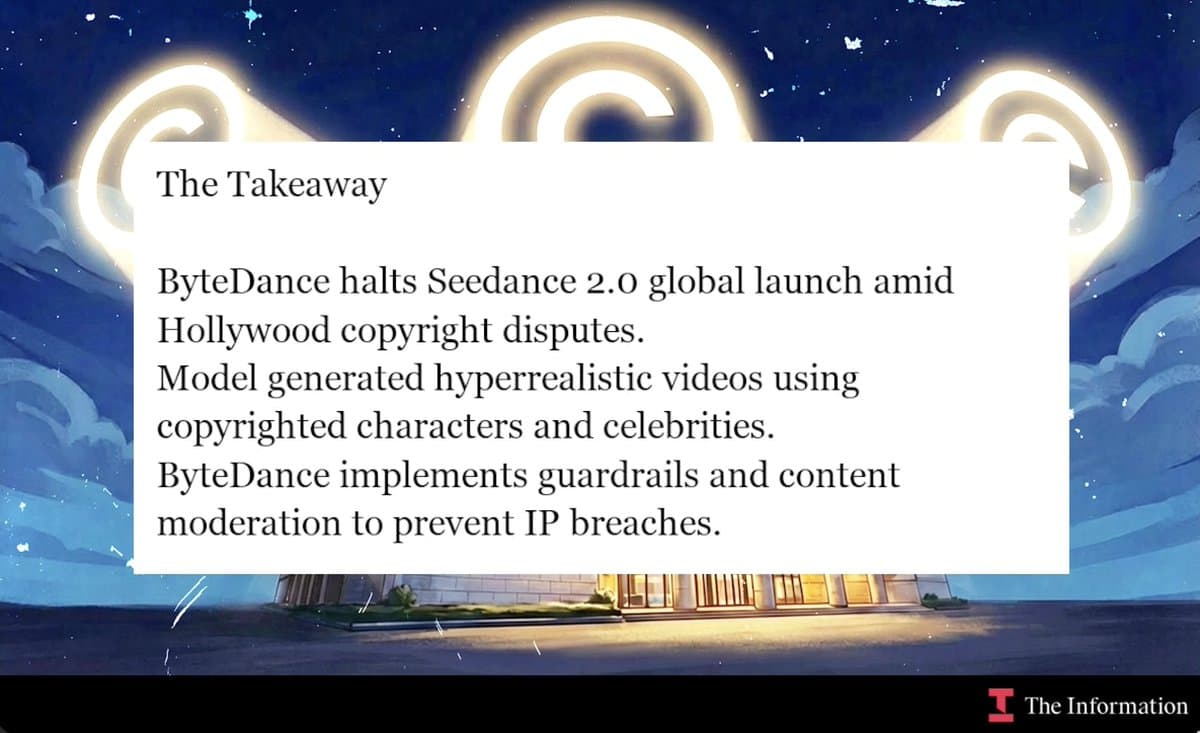
ByteDance has postponed the international rollout of its Seedance 2.0 AI model after receiving copyright complaints from Disney, Warner Bros., Paramount, and Netflix. The company is now implementing stronger content moderation guardrails before proceeding.

1d ago·2 min read·51 views·via @kimmonismus
Share:

ByteDance Delays Global Launch of Seedance 2.0 AI Following Hollywood Copyright Complaints

ByteDance has delayed the planned global launch of its Seedance 2.0 AI model following copyright complaints from major Hollywood studios, according to a report from @kimmonismus. The company is now developing stronger content moderation systems before proceeding with international expansion.

What Happened

ByteDance's Seedance 2.0, an AI model developed by the TikTok parent company, was scheduled for a global rollout but has been postponed indefinitely. The delay comes after the company received formal copyright complaints from major entertainment studios including:

  • Disney
  • Warner Bros. Discovery
  • Paramount Skydance
  • Netflix

The specific nature of the copyright violations hasn't been detailed in the report, but the complaints appear to center on AI-generated content that infringes on intellectual property owned by these studios.

Context

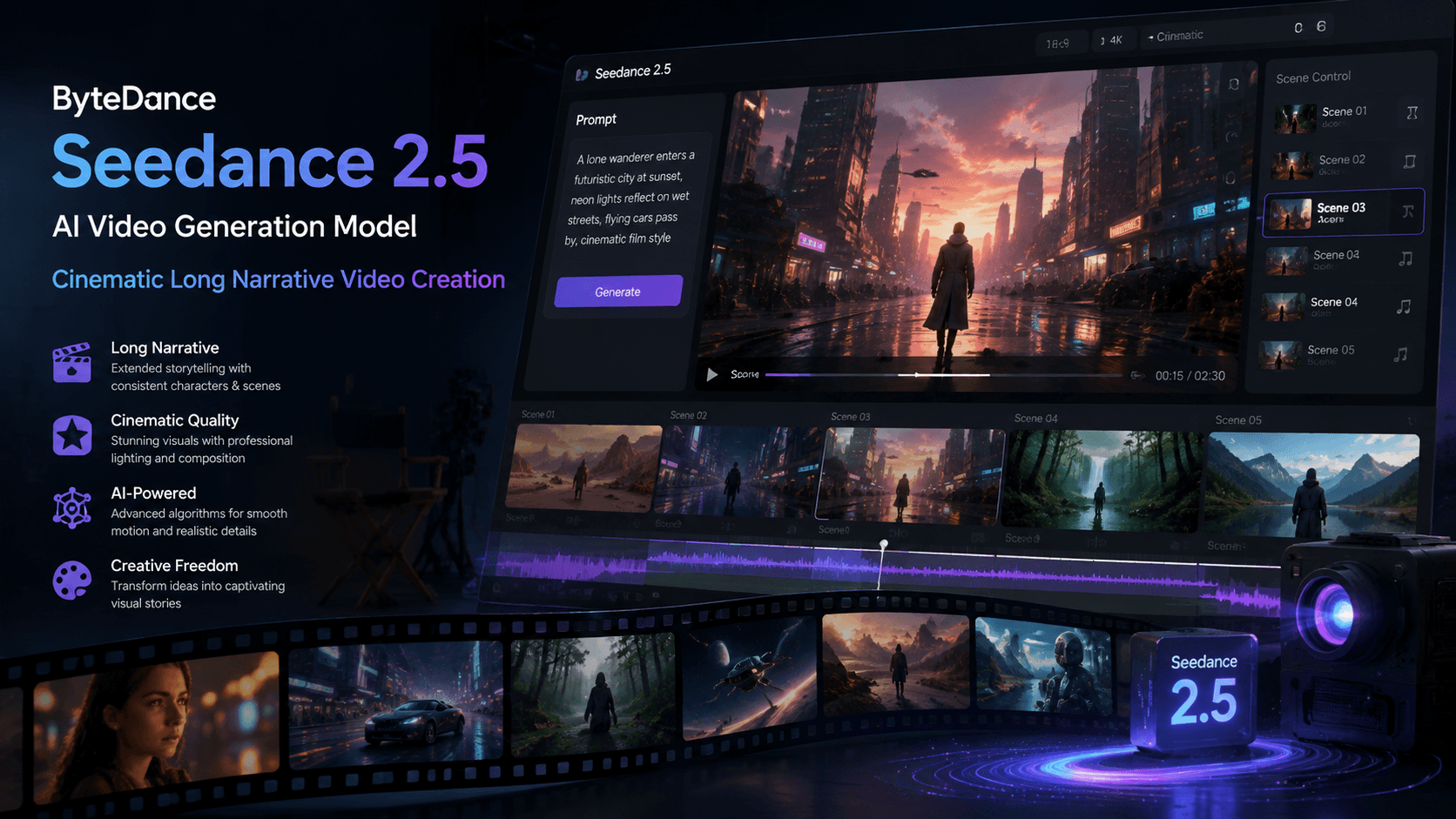
Seedance is ByteDance's text-to-video AI model, positioned as a competitor to models like OpenAI's Sora and Runway's Gen-2. The model has been available in limited markets but was preparing for broader international release.

This development follows increasing tension between AI companies and content creators over training data and generated outputs. Major studios have been particularly vocal about protecting their intellectual property from AI systems that might generate content resembling their copyrighted characters, scenes, or styles.

Current Status

According to the report, ByteDance is now focused on building "stronger guardrails and moderation systems" to prevent AI-generated copyright violations before expanding internationally. This suggests the company is implementing:

  1. Enhanced content filtering systems
  2. Better detection of copyrighted material in training data
  3. More robust output moderation to prevent generation of infringing content

The timeline for the global launch remains unclear, pending the implementation of these safeguards and potential resolution of the copyright concerns with the complaining studios.

Industry Implications

This delay highlights the growing legal and regulatory challenges facing AI companies developing generative media models. As AI capabilities advance, companies must navigate complex copyright landscapes while balancing innovation with intellectual property rights.

The response from ByteDance—delaying launch to implement stronger guardrails—represents a more cautious approach than some competitors have taken, potentially setting a precedent for how AI companies address copyright concerns before major releases.
AI Analysis

This delay represents a significant moment in the ongoing tension between generative AI development and intellectual property rights. ByteDance's decision to postpone a major product launch due to copyright complaints from Hollywood studios suggests that legal pressure is becoming a tangible constraint on AI deployment timelines, not just a theoretical concern. From a technical perspective, the mention of "building stronger guardrails and moderation systems" indicates ByteDance is likely implementing more sophisticated content filtering at multiple levels: during training data curation, at inference time, and potentially through post-generation verification. This could involve classifier-based filtering, embedding similarity checks against known copyrighted works, or more complex multimodal detection systems. The engineering challenge here is significant—creating systems that effectively prevent copyright infringement without overly constraining creative output or introducing unacceptable latency. For practitioners, this development underscores that copyright considerations are moving from the legal department to the engineering roadmap. Teams developing generative media models will need to allocate resources not just to improving output quality, but to implementing robust copyright compliance systems. This may involve new architectural approaches, such as modular filtering components that can be updated as legal requirements evolve, or training methodologies that better document provenance and avoid problematic training data. The delay also suggests that companies with existing content libraries and strong legal teams (like Hollywood studios) have substantial leverage in shaping how these AI systems are deployed.
Original sourcex.com

Trending Now

More in Products & Launches

View all