South Korea's push for sovereign AI capabilities is gaining a new infrastructure player. Elice Group, an AI and education technology company, is deploying modular data centers to rapidly scale its computational resources and is preparing for an initial public offering (IPO) in 2026 to fund its expansion.
The Infrastructure Push

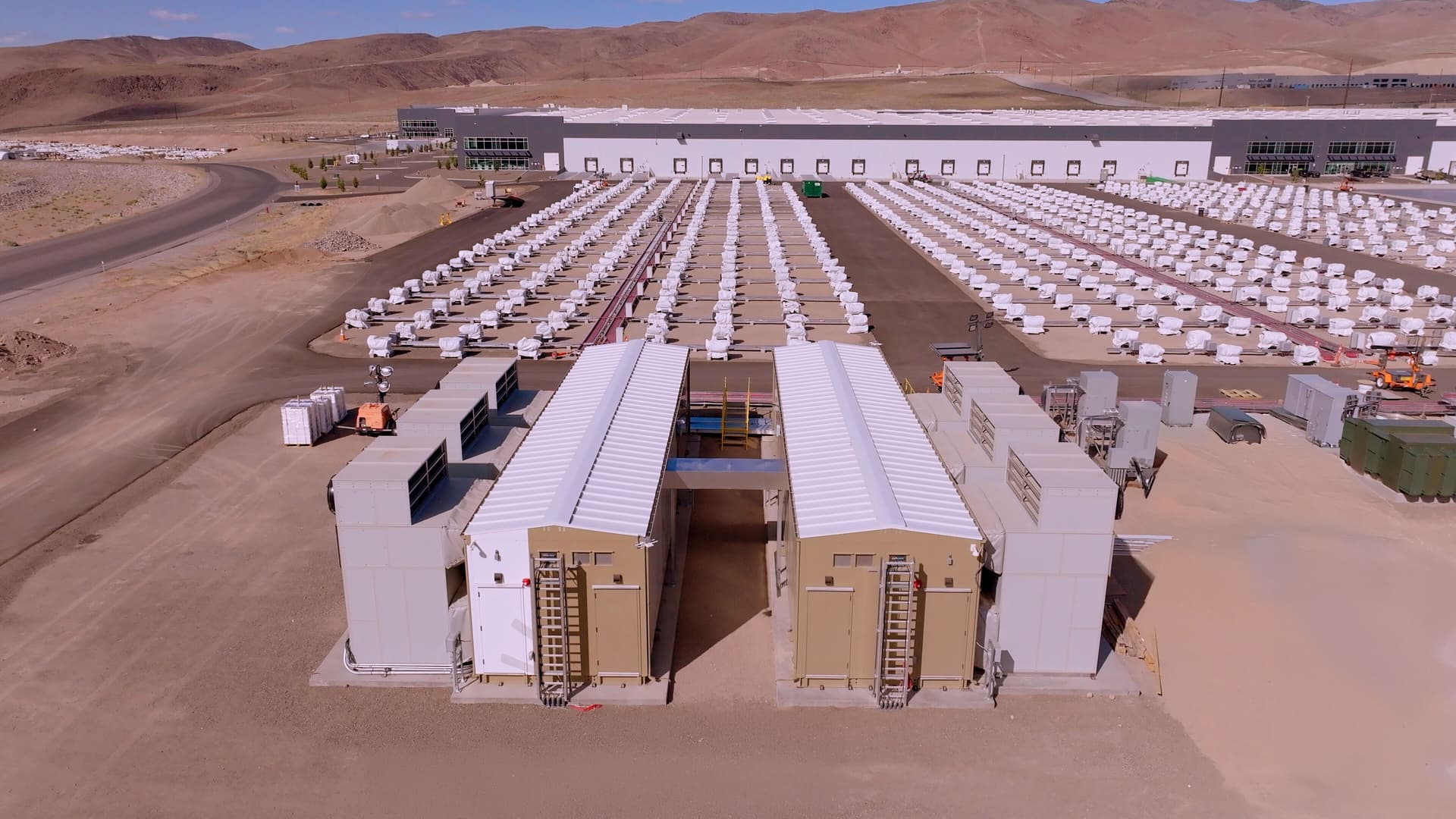
Elice Group's strategy centers on using modular, prefabricated data centers. This approach allows for faster deployment and scaling of the high-performance computing (HPC) infrastructure required for training and serving large AI models compared to traditional brick-and-mortar data center construction. The company aims to build out this infrastructure to support its own AI services and potentially offer cloud-based AI compute to other Korean enterprises.
This move comes as South Korea seeks to reduce its reliance on foreign AI technologies and cloud providers. Developing domestic AI infrastructure is seen as a strategic priority for both economic competitiveness and data sovereignty.
The Company Behind the Buildout
Elice Group originated as an online coding education platform (Elice) but has pivoted and expanded into a broader AI technology company. Its business now spans several segments:
- AI Solutions: Developing and deploying enterprise AI models and applications.
- EdTech: Its original coding education platform.
- Infrastructure: The new modular data center initiative to underpin its AI ambitions.
The planned IPO, targeted for 2026, is intended to raise significant capital to accelerate this infrastructure buildout and technology development. Going public would provide the funds needed to compete in the capital-intensive AI hardware and cloud sector.
Market Context: Korea's AI Landscape

South Korea's AI market is characterized by strong government support and the presence of large conglomerates (chaebols) like Naver, Kakao, and LG, which are also making major investments in AI. For instance, Naver has developed its own HyperCLOVA large language models and is building AI data centers. Elice Group's strategy appears to be carving out a niche by focusing on agile, modular infrastructure and tailored AI solutions, potentially for mid-market enterprises or specific verticals like education.
The success of this IPO plan will depend on the company's ability to demonstrate differentiated technology, secure customers for its AI services, and prove the efficiency and scalability of its modular data center approach.
gentic.news Analysis
Elice Group's pivot from pure-play EdTech to AI infrastructure is a telling sign of where the capital and strategic focus lies in the Korean tech sector. It mirrors a global trend where companies with domain expertise and customer bases are leveraging that position to build vertically integrated AI stacks. However, the infrastructure game is fiercely competitive and requires immense scale.
The modular data center approach is pragmatic. Building traditional data centers can take years, but the demand for AI compute is immediate. Companies like Stack Infrastructure and EdgeConneX have pioneered this model elsewhere. For Elice, this could mean faster time-to-market for its AI services and a potential asset-light(er) partnership model for expansion. The key question is whether they can achieve the operational efficiency and cost-effectiveness needed to compete with the scaling cloud giants and domestic leaders like Naver Cloud.
The 2026 IPO target is aggressive. It suggests the company is in a fundraising and growth phase now, aiming to show substantial traction in the next two years. This move aligns with a broader trend we've covered, where regional AI champions are emerging globally, backed by national interests and local capital markets. The IPO will be a major test of investor appetite for a Korean AI pure-play that is betting on both the software (AI models) and the hardware (compute infrastructure) sides of the equation.
Frequently Asked Questions
What is Elice Group?
Elice Group is a South Korean technology company that started as an online coding education platform (Elice) and has since expanded into developing artificial intelligence solutions and building AI-specialized data center infrastructure.
What are modular data centers?
Modular data centers are prefabricated, standardized units of compute infrastructure that can be quickly deployed and scaled. They are often housed in shipping-container-like enclosures and can be assembled faster than building a traditional data center from scratch, which is crucial for meeting rapidly growing AI compute demand.
Why is Elice Group building AI data centers?
The company is building its own AI infrastructure to support the development and deployment of its AI models and services. This reduces reliance on third-party cloud providers, can improve performance and cost control, and aligns with South Korea's strategic goal of building domestic AI and cloud capabilities.
When is Elice Group's IPO?
According to reports, Elice Group is preparing for an initial public offering (IPO) targeted for 2026. The funds raised are intended to accelerate its AI infrastructure buildout and technology development.