The Problem: Great Tools, Zero Distribution
If you've built an MCP server or Claude Code skill, you know the drill: ship it, post once on social media, watch engagement fade within days. Your tool works perfectly, but nobody finds it because you don't have time for the endless cycle of platform-specific posts, directory submissions, and angle rotation. This isn't a quality problem—it's a distribution problem.
The Solution: marketing-pipeline
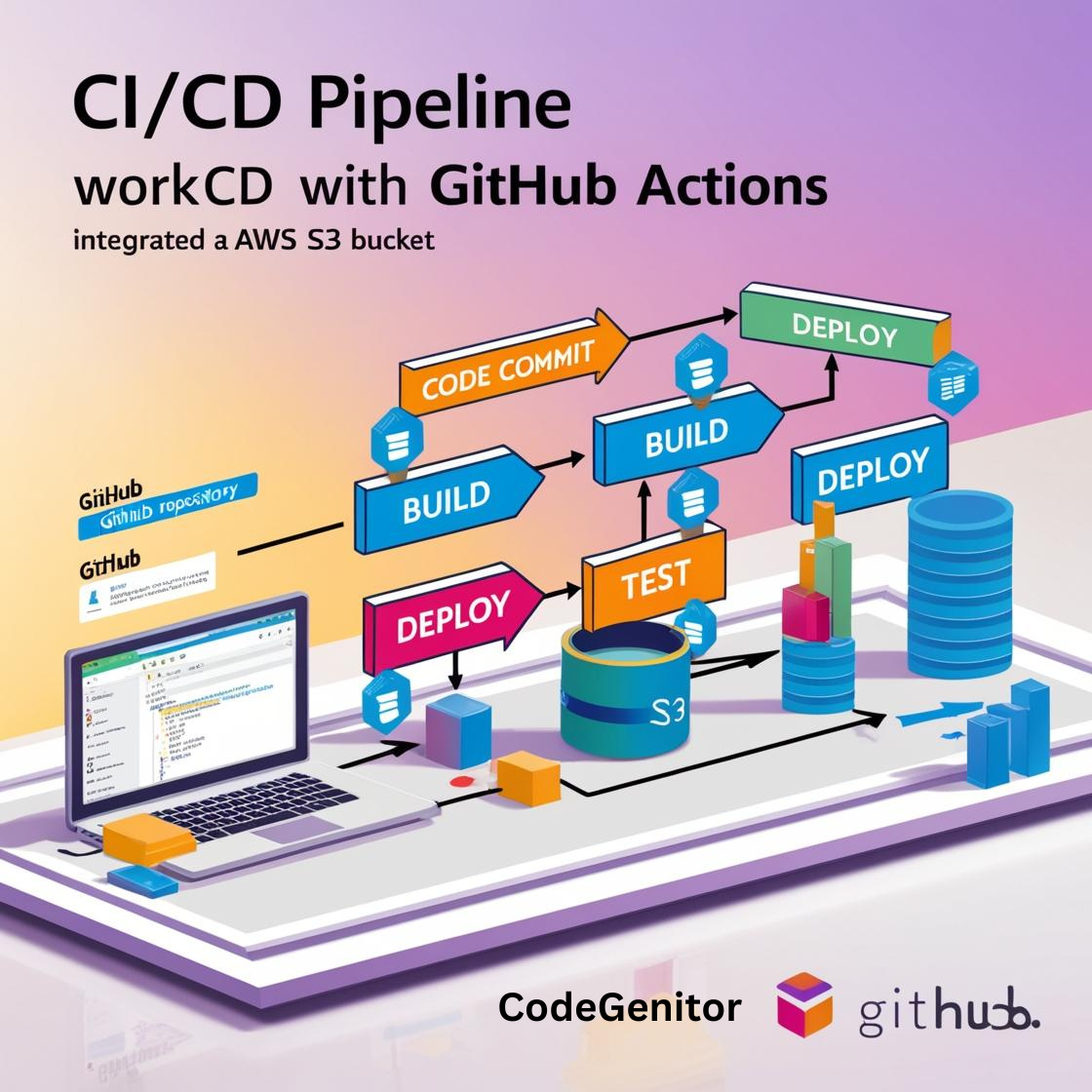
marketing-pipeline is a GitHub Actions-based system that handles recurring distribution automatically. Once configured, it runs daily at 14:00 UTC, drafting platform-specific posts, submitting to relevant directories, and maintaining consistent promotion without manual intervention.
How It Works
1. Simple Onboarding
Add your project with one command:
marketing onboard --name your-project --repo yourusername/your-repo --kind mcp-server
This fetches your README, sends it to Claude to extract key information, and writes problem, facts, and angles into projects.yml.
2. Smart Content Generation
The system automatically:
- Drafts platform-specific posts (Bluesky ≤300 chars, X ≤280, Dev.to/Hashnode 150–400 words)
- Rotates through different angles using least-recently-used selection
- Runs everything through an "antislop gate" that rejects marketing-speak tokens like
excited,game-changer,unlock, emoji, hashtags, and exclamation points - Maintains a consistent, authentic voice you'd actually use yourself
3. Automated Directory Submissions
Based on the kind field:
mcp-server: Submits to MCP Registry, Smithery, Glama, and PulseMCPclaude-skill: Targets awesome-claude-code (generates the payload, requires manual GitHub issue submission)browser-extension: Goes to Chrome Web Store, Firefox AMO, and Edge Add-ons
The Antislop Gate: Your Quality Control
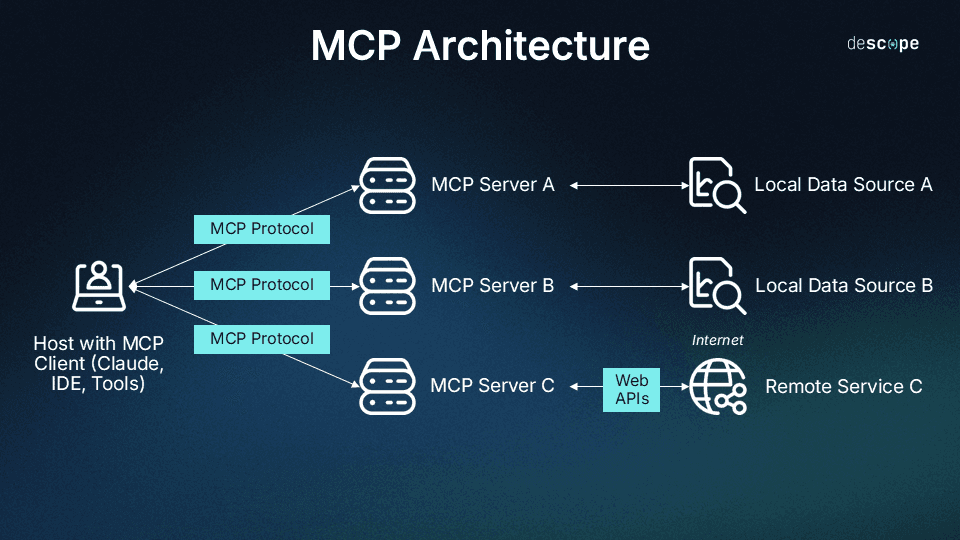
This is the secret sauce. Early drafts without the gate produced marketing copy the creator wouldn't have posted. The gate enforces the same voice bar as hand-written posts, ensuring your tool gets promoted with authenticity, not hype.
Why This Matters for Claude Code Developers
The MCP and Claude Code ecosystem is exploding, but most indie builders lack distribution infrastructure. You have a README and hope—this pipeline provides the plumbing. Instead of spending hours each week on promotion, you can focus on building better tools while the pipeline handles consistent, quality distribution.
Getting Started
- Fork or clone the repository:
https://github.com/robertnowell/marketing-pipeline - Set up your GitHub Actions secrets for each platform (Bluesky, Dev.to, etc.)
- Run the onboarding command for your project
- Let the daily cron do the work
The system respects rate limits, handles failures gracefully, and maintains a promotion schedule that doesn't overwhelm your audience.
The Bottom Line
If you've built something useful for the Claude Code ecosystem but struggle with visibility, this pipeline solves the distribution problem. It's the infrastructure the community needs as more developers create MCP servers and skills—ensuring good tools don't get lost in the noise.