Key Takeaways
- Claude Code users should monitor Nat Friedman's distributed Git network for faster agentic coding workflows.
- The new network optimizes Git for AI agents, potentially reducing clone/push latency.
What Changed — A New Git Network for AI Agents
GitHub's former CEO, Nat Friedman, has launched a distributed Git network specifically designed for the agentic coding age. While details are still emerging, the core idea is clear: traditional Git infrastructure was built for human developers pushing and pulling code manually. AI coding agents like Claude Code operate differently — they clone repositories, make rapid changes, and push updates far more frequently.
This new network aims to optimize Git operations for these automated workflows. Instead of treating every clone and push as a human-scale operation, the network is built to handle the volume and velocity of AI agents.
What It Means For You — Concrete Impact on Daily Claude Code Usage
If you use Claude Code regularly, you've likely experienced the friction of Git operations: waiting for clones to finish, dealing with merge conflicts from rapid iterations, or hitting rate limits on GitHub. This new distributed network could address several pain points:
- Faster clones: When Claude Code initializes in a new project, it often needs to pull the latest code. A distributed network could serve these requests from edge nodes, reducing latency.
- Optimized pushes: Claude Code's iterative coding style means frequent small commits. The network is designed to handle this pattern efficiently.
- Better concurrency: If you're running multiple Claude Code sessions (e.g., one per feature branch), the distributed network can handle parallel Git operations without bottlenecks.
Try It Now — How to Prepare for This Shift
While the network isn't publicly available yet, you can start optimizing your Claude Code workflows for a distributed Git future:
Use shallow clones in your CLAUDE.md:
# In CLAUDE.md
# Optimize Git operations for agentic workflows
# Use git clone --depth 1 for faster initial clones
Keep repositories lean: Remove large binary files and use
.gitignoreaggressively. Smaller repos = faster operations for Claude Code.Monitor for the launch: Watch for announcements from Nat Friedman's team. When the network goes live, you'll want to test it with your Claude Code pipelines immediately.
Consider Git hooks: If you're using Claude Code for automated PR creation, set up Git hooks that work well with agentic pushes (e.g., skip unnecessary CI checks on small commits).
Why This Matters for Claude Code Users
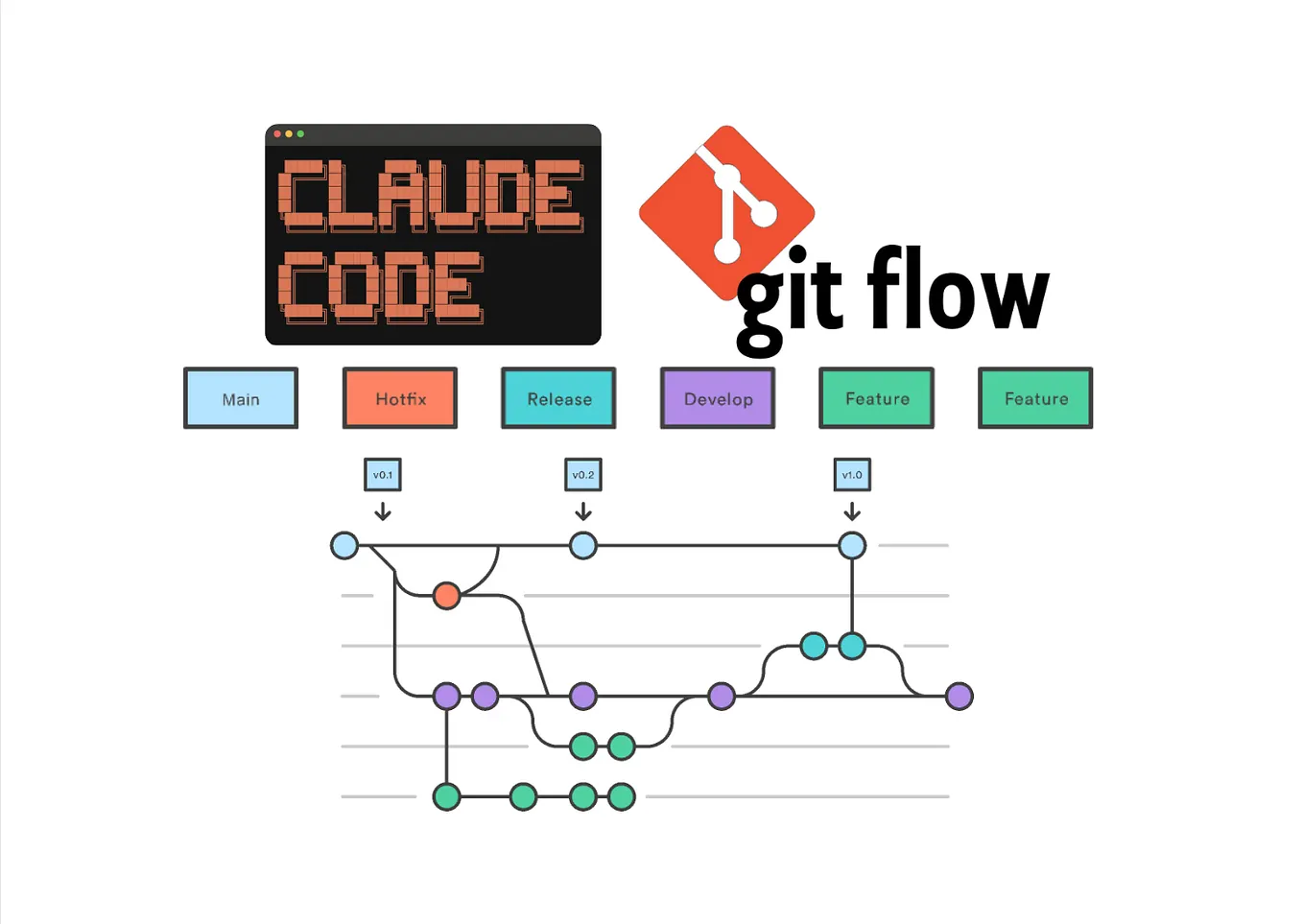
Claude Code is already one of the most agentic coding tools available. It doesn't just suggest code — it writes, tests, and commits it. But the Git infrastructure it relies on was designed for humans. A distributed Git network built for agents could unlock:
- Faster iteration cycles: Less time waiting for Git, more time coding.
- Better collaboration: Multiple Claude Code agents working on the same repo without stepping on each other.
- Lower latency for remote teams: If your team is distributed, edge nodes can serve Git requests from the nearest location.
The Bigger Picture — Agentic Infrastructure
This isn't just about Git. It's part of a broader trend: infrastructure is being rebuilt for AI agents. Just as Google Cloud recently launched its own MCP server and AWS launched one for its open-data registry, we're seeing the entire stack adapt to agentic workflows.
For Claude Code users, this means the tools you use daily will become faster and more reliable. The distributed Git network is one piece of that puzzle — a sign that the ecosystem is evolving to support the way you already work.
Next Steps
- Follow Nat Friedman's announcements for the launch date.
- Experiment with shallow clones and lean repos now.
- Share your feedback with the Claude Code team on what Git improvements would help you most.
Source: news.google.com