The Strategic Gambit
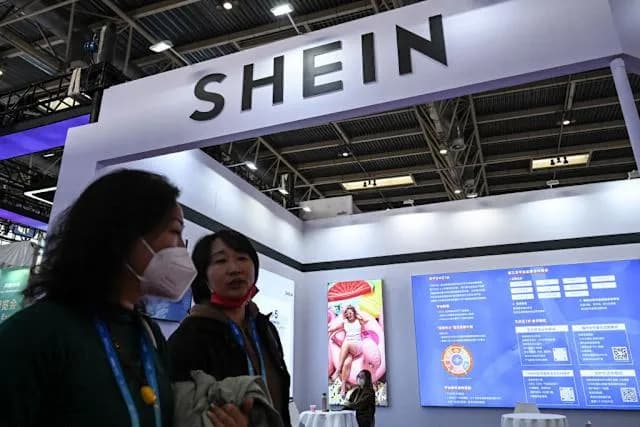
According to an exclusive report from The Business of Fashion, Shein is making a bold and unconventional move. The fast-fashion behemoth is launching its "Xcelerator" program, which offers smaller and independent brands direct access to its core operational advantage: its proprietary, hyper-responsive on-demand supply chain and global logistics network. This is not a simple logistics partnership; it's an invitation to plug into the very engine that has fueled Shein's meteoric rise.
The program essentially turns Shein's operational backbone—a system built on real-time demand sensing, micro-batch production, and rapid fulfillment—into a service for other labels. For a brand, this means potentially gaining the ability to produce and ship products with Shein-like speed and efficiency, without the capital expenditure of building such a system themselves.
The Core Dilemma for Brands
The central question posed by the report is stark: Should they?
On one hand, the value proposition is powerful:
- Speed-to-Market: Access to Shein's on-demand model could drastically reduce design-to-delivery cycles.
- Operational Scale: Leverage a proven, global logistics network for distribution.
- Capital Efficiency: Avoid massive upfront investment in supply chain technology and infrastructure.
- Platform Access: Potential integration with Shein's vast e-commerce marketplace and customer base.
On the other hand, the risks are profound and strategic:
- Feeding the Competitor: By using Shein's infrastructure, a brand directly contributes to the scale and data flow of its most formidable competitor. Shein would gain intimate, operational-level insights into the brand's production volumes, best-selling items, and logistical patterns.
- Loss of Control and IP: Ceding control of manufacturing and fulfillment to Shein creates deep dependency. There are significant concerns about protecting design intellectual property within a competitor's ecosystem.
- Brand Value Erosion: For luxury or premium contemporary brands, association with a fast-fashion supply chain could conflict with brand narratives around craftsmanship, sustainability, and exclusivity.
- Strategic Vulnerability: A brand's operational resilience becomes tied to Shein's platform, creating a classic "platform risk."
The AI and Data Underpinning
While the source article focuses on the strategic business dilemma, the unspoken enabler of this entire proposition is artificial intelligence. Shein's supply chain is not just fast; it's intelligent and predictive. Its capability hinges on:
- Demand Forecasting AI: Algorithms that analyze real-time search, social media, and sales data to predict micro-trends and determine production quantities.
- Dynamic Inventory & Production Allocation: AI systems that manage micro-batch production across a network of suppliers, minimizing waste and stockouts.
- Logistics Optimization: Machine learning models that optimize global shipping routes, warehouse stocking, and last-mile delivery.
By offering "Xcelerator," Shein is not just renting out factories and trucks; it is offering access to a sophisticated, AI-driven decision-making engine. For a participating brand, the benefit is this intelligence. The cost is feeding their data into it.
Business Impact and Strategic Calculus
This move is less a traditional B2B service and more a strategic ecosystem play. Shein aims to transition from a single-brand retailer to a platform. The potential impacts are multifaceted:
- For Shein: It monetizes its excess infrastructure capacity, locks in other brands to its ecosystem, and—most importantly—aggregates immense, diversified data to further refine its AI models. This data from multiple brands would make its trend prediction and supply chain optimization even more powerful, benefiting its core business.
- For Participating Brands: The immediate impact could be improved margins and growth through operational efficiency. The long-term impact could be a dangerous erosion of competitive moat and increased market dominance by Shein.
- For the Market: It could accelerate the "Shein-ification" of more segments of fashion, pushing the entire industry toward even faster, more data-driven, on-demand production cycles.
The business case for a brand boils down to a trade-off: short-to-medium-term operational gains versus long-term strategic independence. It is likely most tempting for digitally-native vertical brands (DNVBs) that have hit scaling bottlenecks with their own supply chains but lack the brand equity of heritage luxury houses.
Implementation and Governance: The Hidden Complexities
For a brand considering this path, the implementation goes far beyond signing a contract.
Technical Integration: Brands would need to integrate their product lifecycle management (PLM), enterprise resource planning (ERP), and order management systems (OMS) with Shein's proprietary platforms. This is a complex, costly IT project that creates deep, hard-to-unravel technical dependencies.
Data Governance & Risk: This is the paramount concern. A rigorous legal and technical framework would be required to answer critical questions:
- Who owns the production and sales data generated?
- How is it segregated from Shein's core algorithms?
- What are the protocols to prevent design leakage or reverse engineering?
- How does this comply with GDPR, CCPA, and other data privacy regulations when customer data flows through Shein's systems?
Maturity Assessment: While Shein's system is mature for its own fast-fashion model, its suitability for different brand segments—like premium brands with higher quality materials and complex constructions—is untested. The risk of brand dilution through potential quality inconsistencies is high.
In conclusion, Shein's "Xcelerator" is a landmark moment that blurs the line between competitor and infrastructure provider. It represents the ultimate expression of a data- and AI-driven business model being productized. The decision for any brand is not merely operational; it is an existential strategic choice about where true value and control reside in the modern retail landscape.