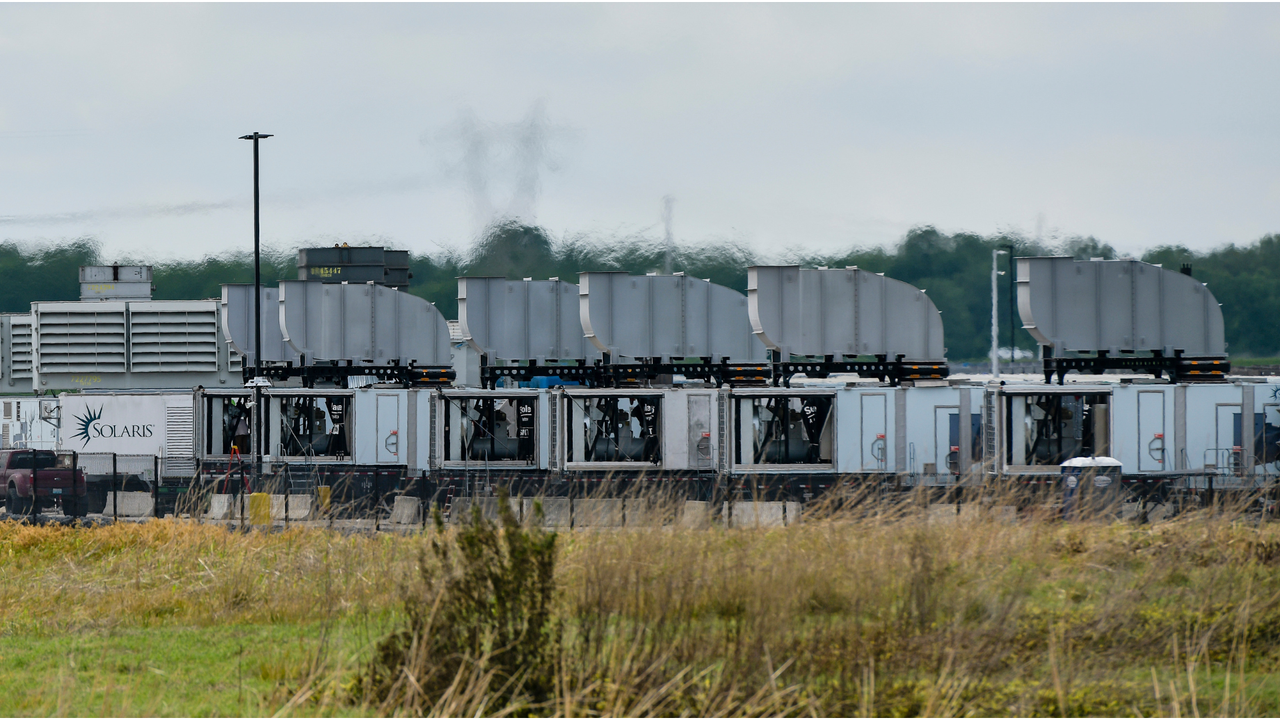
In a clear signal that the capital-intensive race for AI infrastructure is far from over, Google and its cloud partner CoreWeave have successfully sold a record $5.7 billion in high-yield corporate bonds. The deal, which closed on April 15, 2026, was reportedly oversubscribed, drawing billions more in investor demand than the amount offered. The proceeds are earmarked for the construction and expansion of data centers specifically designed to handle the massive computational workloads of generative AI models.
This transaction represents one of the largest junk-bond sales ever linked directly to artificial intelligence infrastructure. It highlights a critical financing trend: even the largest tech giants and their key partners are turning to debt markets to fund the staggering upfront costs of building AI-capable compute clusters, which require billions in spending on specialized chips, power systems, and real estate.
Key Takeaways
- Google and its partner CoreWeave sold a record $5.7 billion in high-yield bonds to fund AI data center expansion.
- The deal was oversubscribed, showing strong investor appetite for AI infrastructure debt.
The Deal Structure

The bond issuance was structured across multiple entities linked to the data center projects supporting Google Cloud and CoreWeave. While specific interest rates (coupons) were not detailed in the initial report, bonds are considered "junk" or "high-yield" when they carry a credit rating below investment grade (BBB- from S&P or Baa3 from Moody's). This rating reflects a higher risk of default, compensated by offering investors a higher yield than safer government or blue-chip corporate bonds.
Key details from the offering:
- Total Raised: $5.7 billion
- Instrument: High-yield corporate bonds ("junk bonds")
- Primary Use of Proceeds: Financing data center construction and expansion for AI workloads.
- Market Reception: The deal was oversubscribed, indicating robust investor demand despite the non-investment-grade rating.
Why AI Giants Are Turning to High-Yield Debt
The move to debt markets, particularly high-yield bonds, is a strategic response to the unprecedented capital demands of the AI boom. Building a single state-of-the-art data center can cost upwards of $1 billion. Scaling this to meet the projected demand for AI inference and training requires capital on a scale that can strain even the strongest corporate balance sheets if funded solely through cash flow or equity.
- Speed and Scale: Debt financing allows companies to secure large sums of capital quickly, enabling them to build infrastructure in parallel with rapidly advancing AI model development. Waiting to fund builds from operational profits would mean ceding ground to competitors.
- Capital Preservation: Issuing bonds allows companies like Google (Alphabet) to preserve their enormous cash reserves for other strategic priorities, such as acquisitions, stock buybacks, or R&D, while still funding massive capex projects.
- Investor Appetite: The oversubscription of this deal demonstrates that institutional investors are eager to gain exposure to the AI megatrend, even through higher-risk debt instruments. They are betting that the growth in AI compute demand will ensure these data centers generate sufficient cash flow to service the debt.
The CoreWeave and Google Partnership Context
CoreWeave, a specialized cloud provider built on NVIDIA GPUs, has become a critical infrastructure partner for Google Cloud. In 2024, Google made a $500 million strategic investment in CoreWeave and signed a large-scale deal to lease CoreWeave's capacity. This bond sale financially underpins that ongoing collaboration, providing the capital for CoreWeave to build out the physical infrastructure that Google and other clients will consume.
This partnership model allows Google to rapidly expand its available AI compute without solely bearing the full balance sheet burden of construction. CoreWeave acts as a capital-efficient, specialist builder and operator, while Google secures guaranteed capacity for its cloud customers.
Market Implications and Risks

The record-breaking size of this junk-bond sale is a double-edged sword for the AI industry.
On one hand, it demonstrates deep confidence in the long-term profitability of AI infrastructure. Investors would not commit $5.7 billion if they believed the AI compute demand story was a short-term bubble.
On the other hand, it increases financial leverage and risk within the sector. High-yield debt comes with high interest obligations. If the growth in AI adoption slows or if the economics of providing AI compute become less favorable than projected, the companies behind these projects could face significant financial stress. The AI infrastructure space is becoming not just a technological race, but a financial one, with debt-servicing costs now a key variable in business models.
gentic.news Analysis
This financing move is a direct consequence of the hardware arms race we've been tracking since the release of models like GPT-4. Our previous analysis on NVIDIA's Blackwell platform launch and the soaring demand for H100/H200 GPUs highlighted the supply bottleneck. This bond sale is the capital markets' response: funding the physical plants to house those chips.
The involvement of CoreWeave is particularly telling. It underscores a shift from generalized cloud computing (dominated by AWS, Azure, GCP) to specialized, GPU-centric infrastructure providers. CoreWeave's model, which we examined in our coverage of their $7.5 billion debt financing round in 2025, is being validated by Google's continued reliance on them as a capacity partner. This deal effectively refinances and expands that strategy.
However, this record junk-bond issuance also marks a potential inflection point. It follows a series of massive private fundraises for AI labs (like Anthropic's $7.5 billion raise) and chip companies. The capital stack for AI is now towering, built on a mix of equity, venture debt, and now, public high-yield debt. The critical question moving forward will be cash flow generation. These data centers must transition from capital sinks to profit centers quickly enough to satisfy bondholders demanding high yields. If the anticipated "AI inferencing revenue tsunami" is delayed or smaller than expected, the sector could face a painful reckoning, making future debt raises more difficult and expensive.
Frequently Asked Questions
What are junk bonds?
Junk bonds, formally known as high-yield bonds, are debt securities issued by companies that credit rating agencies deem to have a higher risk of default compared to investment-grade corporations. To compensate investors for this added risk, they offer significantly higher interest rates.
Why would Google, a trillion-dollar company, use junk bonds?
While Google's parent company Alphabet has an extremely strong credit rating, this specific debt is likely issued through special purpose entities (SPEs) or project finance vehicles created for the data center projects. These entities are ring-fenced with their own assets and cash flows, receiving a credit rating based on their specific project risk, not Google's overall balance sheet. This structure isolates risk and may allow for more aggressive financing terms dedicated solely to infrastructure expansion.
What does this mean for the cost of AI cloud services?
In the short term, it likely means little change, as companies are competing aggressively on price. In the medium to long term, the substantial debt-servicing costs must be covered by revenue. If competition remains fierce, it could pressure profit margins for cloud providers. If the market consolidates, these fixed costs could contribute to upward pressure on pricing for AI compute and API calls.
Is this a sign of an AI bubble?
Not necessarily by itself. Large-scale debt financing for infrastructure is common in capital-intensive industries like telecommunications, energy, and traditional data centers. The oversubscribed demand indicates institutional investors see these as viable projects with predictable long-term returns. It becomes bubble-like behavior if such financing continues despite clear signals of overcapacity or weakening demand, which is not yet evident.