What Happened
Groq, a company developing specialized AI inference hardware, has demonstrated its Language Processing Unit (LPU) inference engine running Meta's Llama 3.1 70B parameter model at speeds exceeding 500 tokens per second. The demonstration, highlighted in a social media post referencing NVIDIA's involvement, shows the LPU system processing queries with notably low latency.
Technical Details
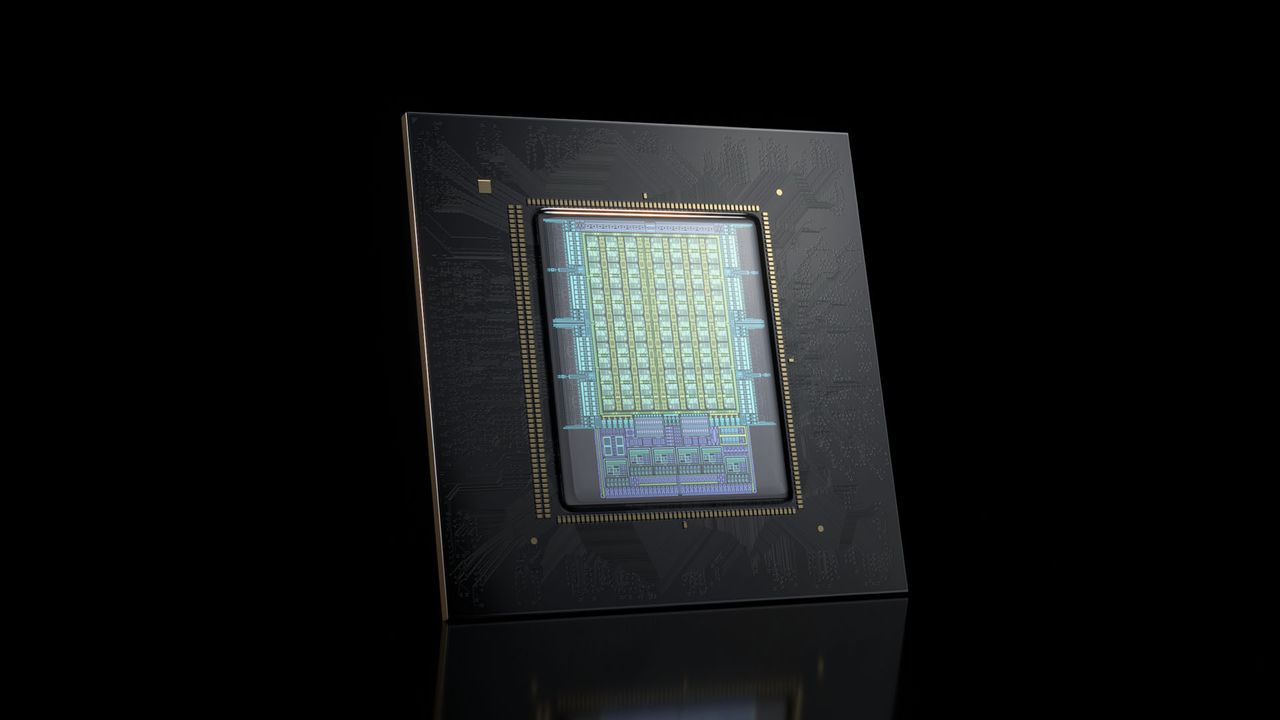
The Groq LPU is a deterministic, single-core architecture designed specifically for sequential inference tasks. Unlike GPU-based systems that handle parallel processing, the LPU's design focuses on minimizing latency in token generation. The system achieves this through:
- Deterministic execution: Predictable timing for each operation
- Single-core design: Eliminates synchronization overhead between multiple cores
- High memory bandwidth: Optimized data movement for sequential processing
In the demonstration, the LPU system processed the 70-billion parameter Llama 3.1 model while maintaining consistent throughput. The interface shows real-time token generation with minimal apparent delay between user input and system response.
Context
Groq was founded in 2016 by former Google TPU team members and has raised approximately $367 million across multiple funding rounds. The company's LPU represents an alternative approach to AI inference compared to GPU-based systems from NVIDIA, AMD, and others. While NVIDIA dominates the training market with its GPU architecture, inference represents a growing segment where specialized hardware like Groq's LPU could offer advantages in specific use cases.
The demonstration specifically shows the Llama 3.1 70B model, Meta's recently released open-weight model that represents the current state-of-the-art in publicly available large language models. Running such models efficiently at scale remains a challenge for deployment in production environments.
Performance Considerations
While the demonstration shows impressive token generation speed, several factors affect real-world performance:
- Batch size limitations: The LPU's single-core design may limit throughput for batched requests
- Model compatibility: The architecture is optimized for specific model architectures and may not generalize to all LLMs
- System integration: Real-world deployment requires integration with existing infrastructure
Groq's approach represents one of several emerging alternatives to GPU-based inference, alongside other specialized accelerators from companies like Cerebras, SambaNova, and Graphcore.