What Happened
A recent social media post from @kimmonismus synthesizes a series of high-profile statements and reports indicating a period of intense, potentially disruptive acceleration in artificial intelligence development. The core claim, referencing a Fortune article, is that "the next six months will change everything."
The post cites several specific data points:
- Exponential Growth: The poster observes that exponential growth in AI "is really taking off," a trend they note is occurring regardless of commentary from Anthropic CEO Dario Amodei, whose statements are seen as confirming this acceleration.
- Release Cadence: The industry is seeing "releases of the latest iterations monthly."
- Open-Source Progress: The release of Qwen 3.5 is highlighted as evidence that China's open-source AI community is now "only a few months behind Frontier Labs."
- Internal Capabilities: OpenAI CEO Sam Altman recently stated in India that the company's "internal models had even exceeded his expectations" and that "he and we are unprepared for what's to come."
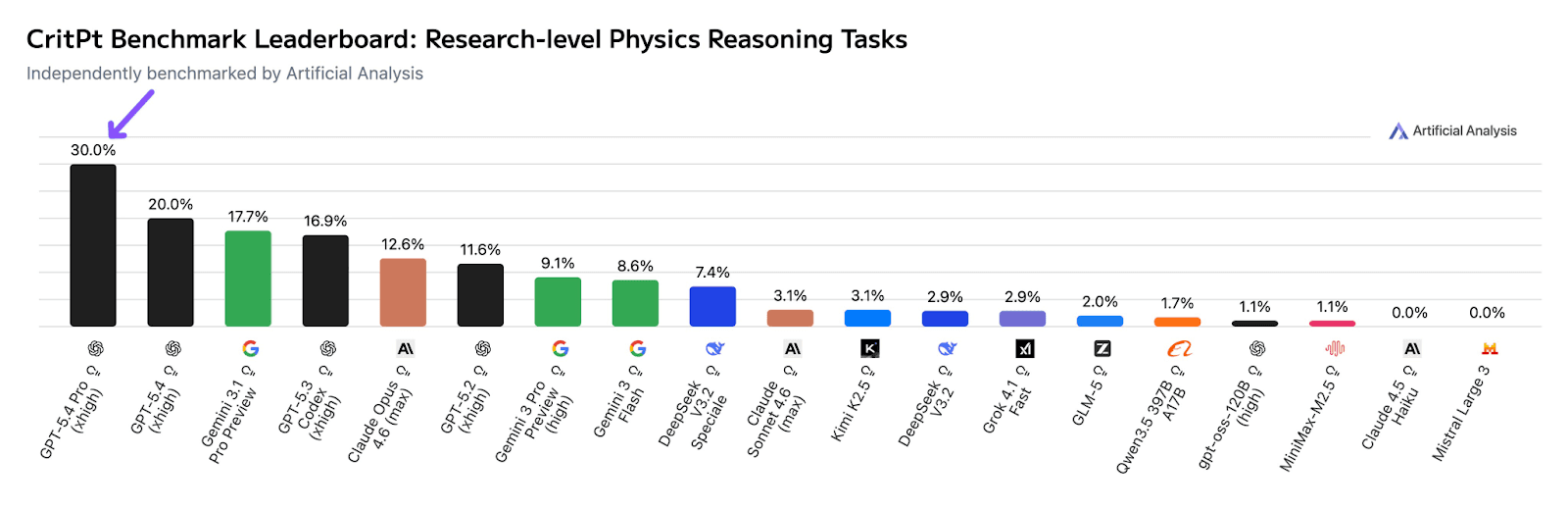
- Recent Model Successes: The post states that "GPT-5.4 was a complete success, just like Opus 4.6 shortly before it."
- Industry Consensus: The poster concludes that, as of Q1 2026, "everyone is saying that the upcoming models will be significantly better."
Context
The post reflects a growing sentiment within the AI community, driven by an increasingly compressed development cycle. The mention of monthly iterations aligns with the observed pace from leading labs like Google, Meta, and Mistral AI over the past year. The success of models like Qwen 3.5 in benchmark performance has validated the competitive pressure from open-source and international teams.
Sam Altman's comments, made during a public talk, are particularly notable as they come from the leader of the organization that set the commercial pace with GPT-4. His admission of being "unprepared" suggests the leap in capability may be non-linear. The specific naming of "GPT-5.4" and "Opus 4.6" as successes, while not detailed with benchmarks, points to a perceived step-change in performance or capability within these proprietary model series.
The central thesis—that the next six months represent a critical inflection point—is not presented as a guaranteed prediction but as a prevailing whisper among industry insiders, warranting serious attention from practitioners.