What Happened

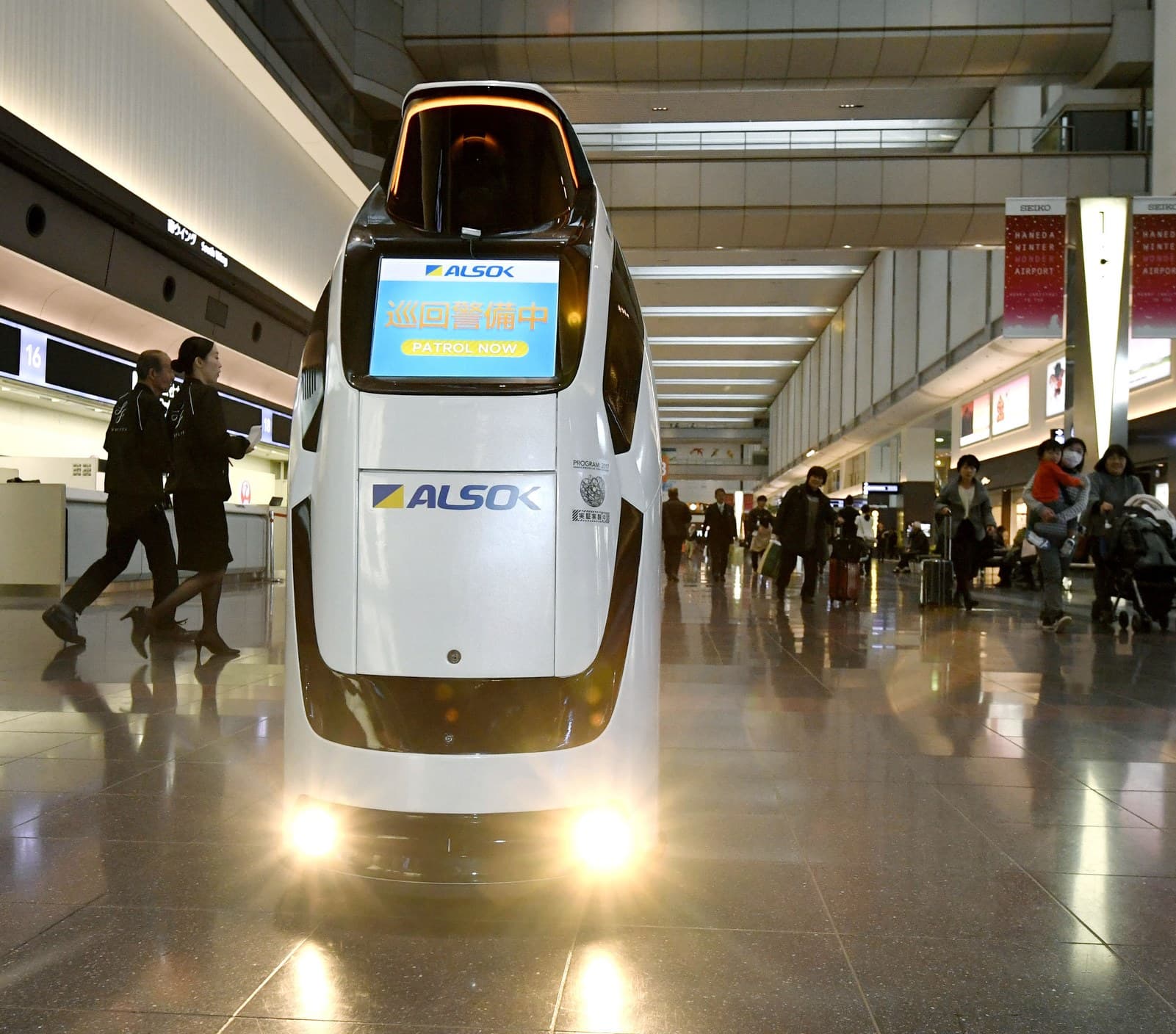
Japan has begun testing humanoid robots at Tokyo Haneda Airport to address its worsening labor shortage crisis. The robots in use are the Unitree G1 and a taller model (likely the Unitree H1), as reported by @rohanpaul_ai on X. The deployment is part of a broader push by Japan to integrate robotics into public infrastructure and service industries.
Context
Japan faces a severe labor shortage due to its aging population and low birth rates. The country has long been a leader in robotics, but recent advances in AI-driven humanoid robots have made them more viable for real-world tasks. The Unitree G1, a compact humanoid robot developed by Chinese company Unitree Robotics, is known for its agility and ability to perform tasks like cleaning, inspection, and light maintenance. The taller model, likely the Unitree H1, is designed for heavier lifting and more complex operations.
What This Means in Practice

This deployment signals a shift from lab experiments to real-world applications in high-traffic environments like airports. For AI engineers, this means new challenges in robot navigation, human interaction, and task coordination in crowded spaces. The success or failure of these tests will influence future deployments in other sectors like retail, logistics, and healthcare.
Frequently Asked Questions
What is the Unitree G1 robot?
The Unitree G1 is a compact humanoid robot developed by Unitree Robotics, a Chinese company. It is designed for tasks like cleaning, inspection, and light maintenance, and is known for its agility and low cost compared to competitors like Boston Dynamics.
Why is Japan testing robots at Haneda Airport?
Japan faces a severe labor shortage due to its aging population. Testing humanoid robots at Haneda Airport is a practical step to see if they can handle tasks like cleaning, security patrols, and passenger assistance in a real-world, high-traffic environment.
Are these robots fully autonomous?
The source does not specify the level of autonomy. Most likely, these robots operate with some level of remote supervision or pre-programmed routines, with AI handling navigation and basic task execution. Full autonomy in crowded airports remains a challenge.
What tasks are the robots expected to perform?
Based on the capabilities of the Unitree G1 and H1, tasks likely include cleaning floors, carrying light loads, security patrols, and possibly providing information to passengers. The taller model may handle heavier items or more physical tasks.