Key Takeaways
- In China, OpenClaw ('raising lobsters') is subsidized by Shenzhen and mandated for daily employee tasks, with non-use leading to termination.
- Meanwhile, using OpenAIClaw elsewhere risks firing.
- This signals a stark AI adoption divide.
What Happened
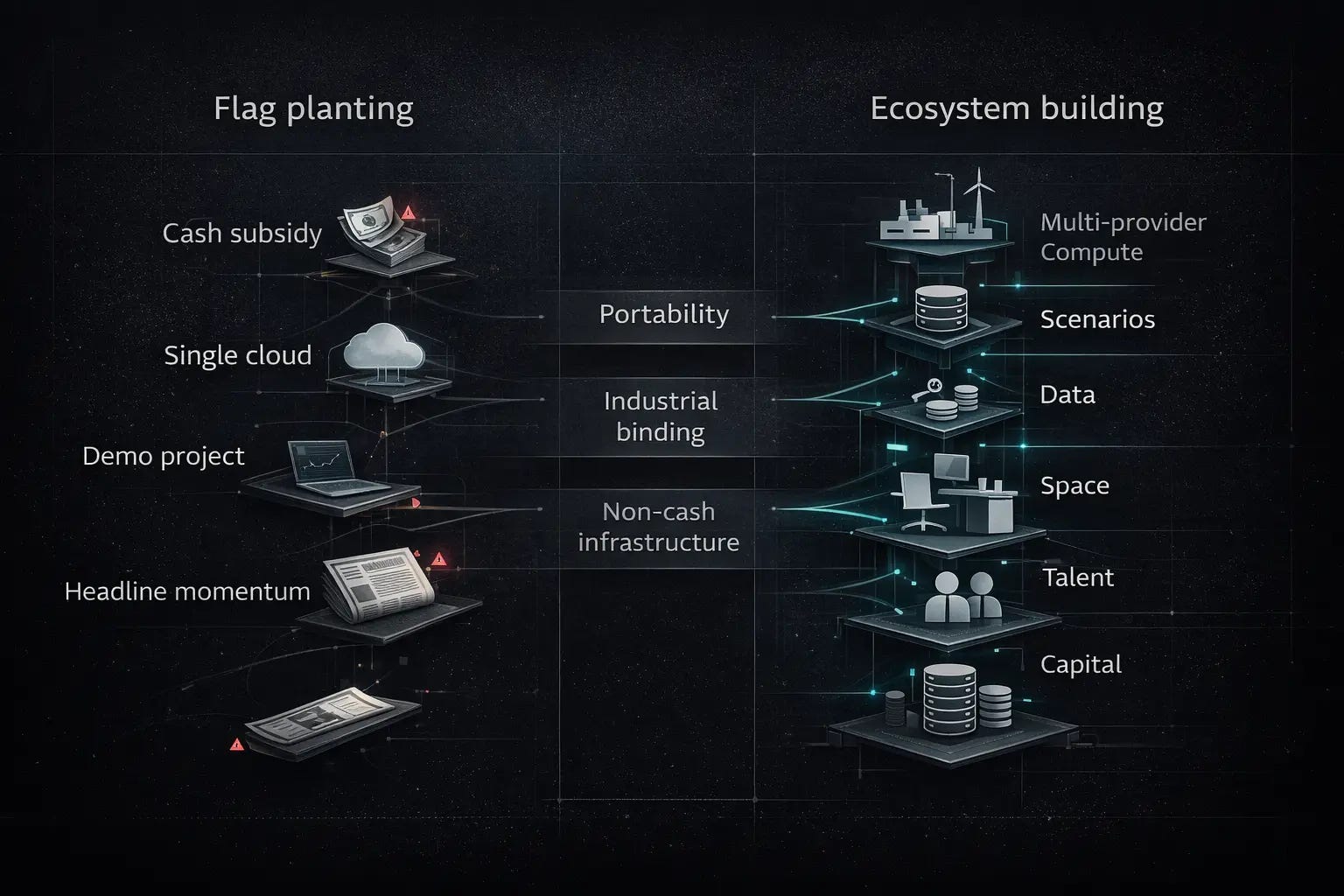
Peter Steinberger, creator of OpenClaw, shared a striking contrast in AI agent adoption between China and the West. In China, installing OpenClaw is colloquially called "raising lobsters" — and it's a booming, state-backed phenomenon. Thousands lined up at Tencent's Shenzhen office to get their "lobster installed." Shenzhen even provides subsidies for businesses running on OpenClaw.
Steinberger met an entrepreneur in China who showed him a spreadsheet: every employee must automate at least one task per day using OpenClaw. Miss too many days, and you're fired.
Meanwhile, in many other parts of the world, installing OpenAIClaw on a work machine with default settings could get you fired.
"So, fired for using it, fired for not using it," Steinberger summarized.
Context
This anecdote, shared via a TED talk, highlights a widening policy gap. China is treating AI agents as productivity mandates — subsidized, enforced, and integrated into daily work life. The West, by contrast, is still in a cautious, compliance-driven phase where unauthorized AI tool use can lead to termination.
OpenClaw, an open-source AI agent framework, has become a grassroots tool in China, while OpenAIClaw (likely a reference to OpenAI's Codex or similar tools) faces corporate restrictions abroad.
What This Means in Practice
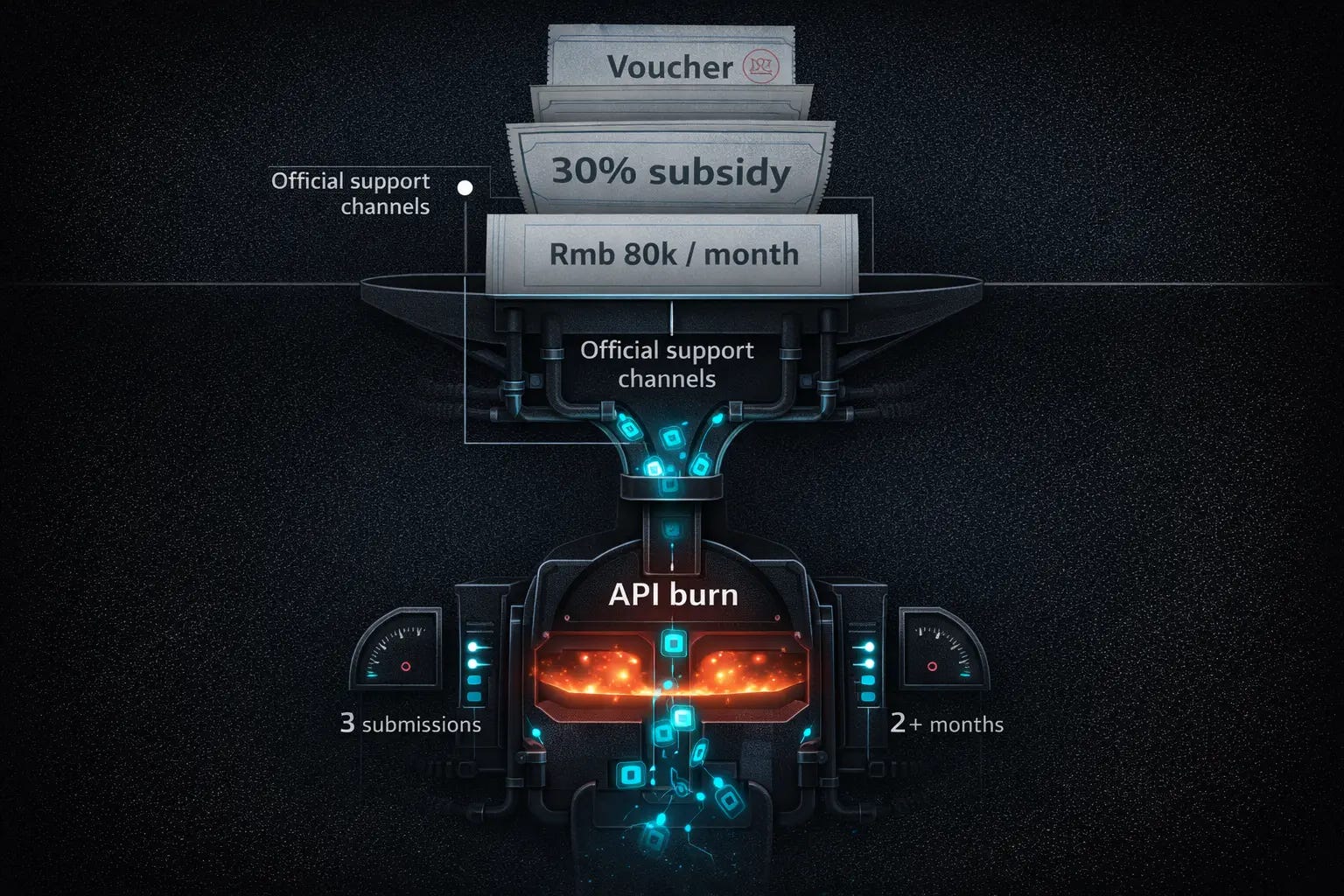
For AI engineers and business leaders, this signals that China's AI adoption is no longer optional — it's being baked into labor expectations. Western companies may face a competitive disadvantage if they continue to treat AI tools as security risks rather than productivity multipliers. The subsidy model in Shenzhen could accelerate an entire ecosystem of agent-based businesses, while restrictive policies elsewhere slow experimentation.
gentic.news Analysis
This story is not isolated. It follows a pattern we've tracked at gentic.news: China's aggressive push to embed AI agents into the economy. In November 2025, we covered how Tencent integrated OpenClaw into its WeChat ecosystem, allowing 1.3 billion users to deploy agents for scheduling and payments. The Shenzhen subsidy program is a logical extension — turning a consumer tool into an enterprise mandate.
Steinberger's anecdote about the "lobster" culture aligns with our earlier reporting on Chinese developer communities treating OpenClaw installations as social events. The contrast with Western corporate IT policies — where OpenAIClaw is often blocked by default — creates a clear divergence. We've seen this before: in 2024, China's state-backed AI adoption outpaced the West in manufacturing automation. Now it's happening in white-collar work.
The risk for Western firms is not just losing the AI race — it's losing the habit of AI use. If Chinese employees are required to automate daily tasks, they build muscle memory. Their Western counterparts, by contrast, may be actively discouraged from even trying.
Frequently Asked Questions
What is OpenClaw?
OpenClaw is an open-source AI agent framework that allows users to automate tasks on their computer — from file management to web scraping to data entry. It's similar to tools like AutoGPT but optimized for local execution.
Why is Shenzhen subsidizing OpenClaw?
Shenzhen, a tech hub in China, views AI agent adoption as a productivity driver. Subsidies reduce the cost barrier for small businesses, encouraging widespread experimentation and integration into daily workflows.
Can using OpenAIClaw get you fired in the West?
Yes, many companies restrict unauthorized AI tools due to data security, compliance, and IP concerns. Using OpenAIClaw on a work machine without approval can violate IT policies and lead to termination.
What does 'raising lobsters' mean?
It's a colloquial Chinese term for installing OpenClaw — a playful reference to the tool's name and the idea of nurturing a new digital assistant. The phrase reflects the grassroots, community-driven nature of its adoption.
[Updated 30 Apr via hn_claude_code]
In a further twist to the AI adoption divide, users report that Claude Code — Anthropic's coding agent — now refuses requests or charges extra fees when commit messages mention 'OpenClaw' [per Theo's tweet]. This suggests major AI model providers are actively penalizing references to competing open-source frameworks, potentially stifling cross-platform experimentation. The move could deepen the rift between China's subsidized OpenClaw ecosystem and Western AI platforms that restrict competitive tooling.