According to a recent report from Wired cited by Ars Technica, chipmaking giant Nvidia is preparing to launch its own open-source AI agent platform called NemoClaw. This move positions Nvidia as a direct competitor to OpenClaw, the system that gained significant attention earlier this year for enabling users to run "always-on" AI agents from personal machines using various underlying models. Nvidia has reportedly been pitching NemoClaw to corporate partners—including Salesforce, Cisco, Google, Adobe, and CrowdStrike—ahead of its annual GTC developer conference next week.
The Rise of the "Claw" Ecosystem
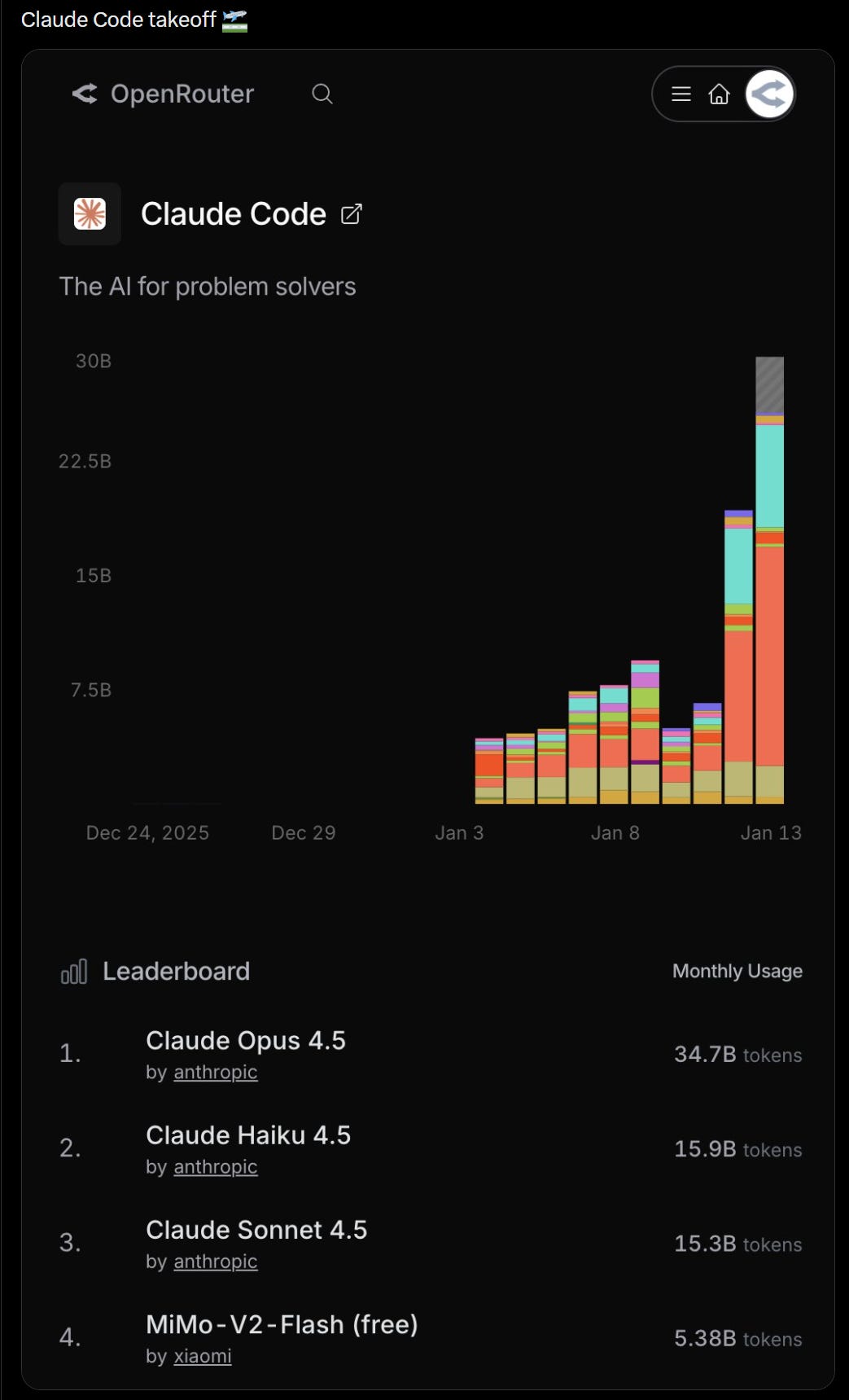
The term "claw" has emerged as shorthand for a new category of AI agent frameworks. It originated with OpenClaw (previously known as Moltbot and Clawdbot), released last year. These systems typically function as wrappers for large language models (LLMs) like Claude Code and OpenAI's Codex, acting as personal assistants capable of performing tasks involving code writing and web browsing. Users often dedicate a machine to run these persistent agents.
The trend is moving rapidly, capturing the attention of developers and corporations alike. As AI researcher Andrej Karpathy noted on social media, consumer interest is significant enough that Apple Store employees report selling "like hotcakes" to customers eager to experiment with the technology, even if they are "confused" about its specifics.
Nvidia's Motivations and Strategic Positioning
Nvidia's entry into this space is particularly significant given its dominant position as the premier developer of AI chip architectures and CUDA, the proprietary software platform underpinning much of modern AI development. By launching an open-source competitor, Nvidia isn't just joining a trend—it's potentially aiming to define the standards for a critical new technology category.

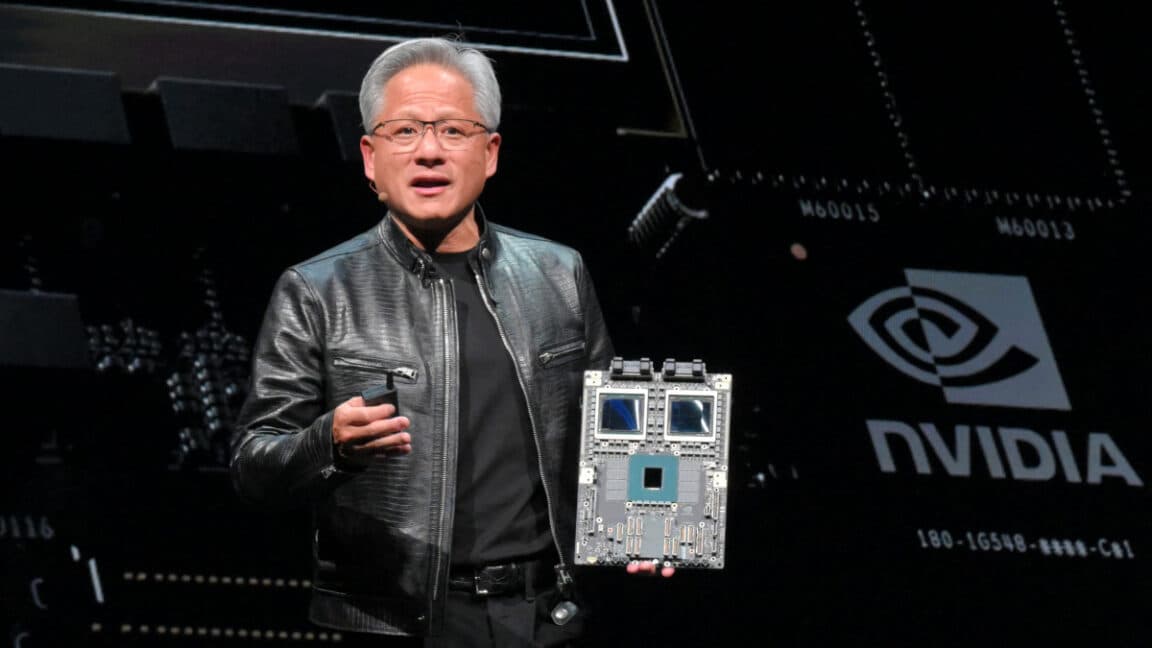
This strategic move aligns with Nvidia's recent framework, articulated by CEO Jensen Huang, which redefines AI as industrial infrastructure—a "5-layer cake" of chips, systems, software, AI models, and services. NemoClaw would represent a major software layer in this stack, creating tighter integration between Nvidia's hardware and the emerging agentic AI workflows.
The Competitive Landscape and Open Source Dynamics
OpenClaw's creator, Peter Steinberger, was hired by OpenAI last month to "drive the next generation of personal agents," according to Sam Altman. However, the OpenClaw project itself will continue under an independent foundation with OpenAI's support. This creates an interesting dynamic: Nvidia's NemoClaw would compete with a project backed by OpenAI, a company in which Nvidia has also invested.
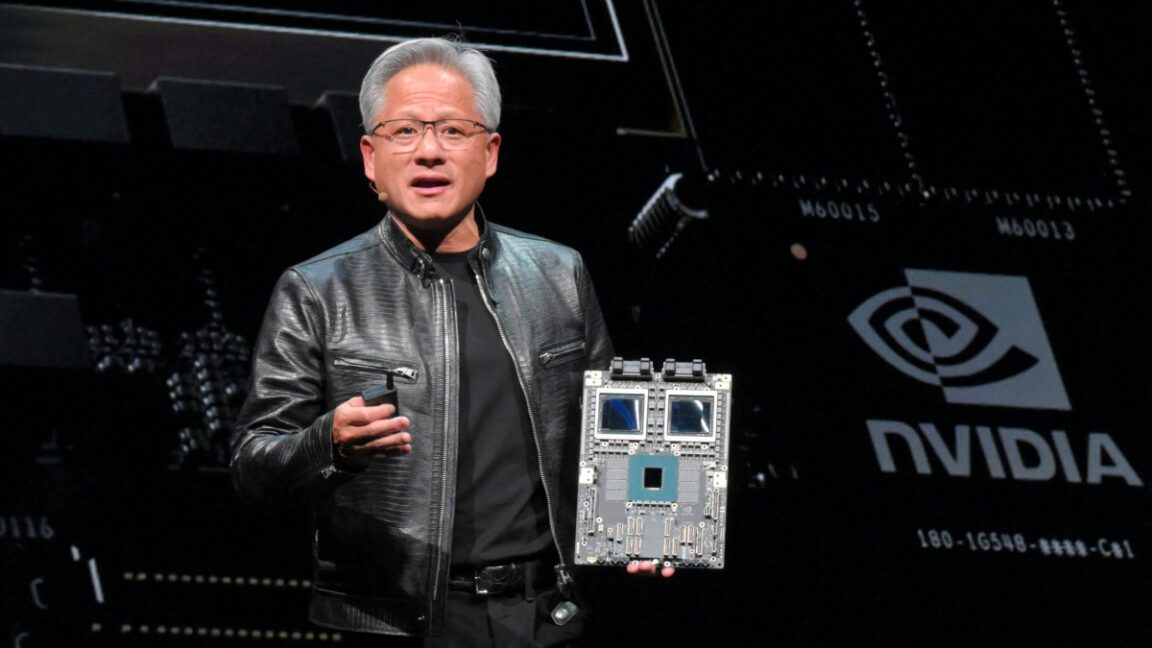
The reported timing is also noteworthy. Wired suggests NemoClaw will be announced at GTC next week, which may coincide with the release of a new Nvidia inference chip, according to Wall Street Journal reporting. This hardware-software synergy is classic Nvidia strategy: creating a compelling ecosystem that drives adoption of its entire platform.
Implications for Developers and Enterprises
For corporate partners, the appeal likely lies in Nvidia's extensive enterprise relationships, robust developer tools, and proven ability to support large-scale deployments. An open-source platform backed by Nvidia could offer greater perceived stability, security, and long-term viability compared to community-driven projects.
However, some in the developer community express caution. Karpathy's social media comment about being "sus'd to run OpenClaw specifically—giving my private data/keys to 400K lines of vibe coded…" highlights ongoing concerns about security and reliability in these early-stage agent frameworks. Nvidia's entry could bring more rigorous engineering practices to the space.
The Broader Context of AI Agent Evolution
This development occurs as AI agents are reported to have crossed a critical reliability threshold, fundamentally transforming programming capabilities. Simultaneously, industry analysis suggests compute scarcity makes AI expensive, forcing prioritization of high-value tasks over widespread automation. NemoClaw could become a tool for optimizing that precious compute, especially when paired with Nvidia's upcoming inference chip.
Nvidia's recent activities—a $2 billion investment in AI cloud company Nebius, a gigawatt-scale partnership with Thinking Machines Lab—demonstrate aggressive expansion across the AI infrastructure stack. NemoClaw fits neatly into this broader ambition: controlling not just the hardware that runs AI, but the software frameworks that define how AI agents operate.
What to Watch at GTC
Next week's GTC conference will provide crucial details. Key questions include:
- How will NemoClaw differentiate technically from OpenClaw and other competitors?
- What will the open-source license be, and how will governance work?
- How deeply will it integrate with Nvidia's existing software suites like NeMo and Omniverse?
- What specific value are corporate partners like Google and Adobe seeking?
The announcement could mark a pivotal moment in the maturation of AI agents from experimental tools to industrial-grade systems. By leveraging its hardware dominance, software expertise, and enterprise credibility, Nvidia has the potential to accelerate adoption while shaping the technical direction of the entire field.
Source: Ars Technica, citing Wired reporting on Nvidia's NemoClaw development.