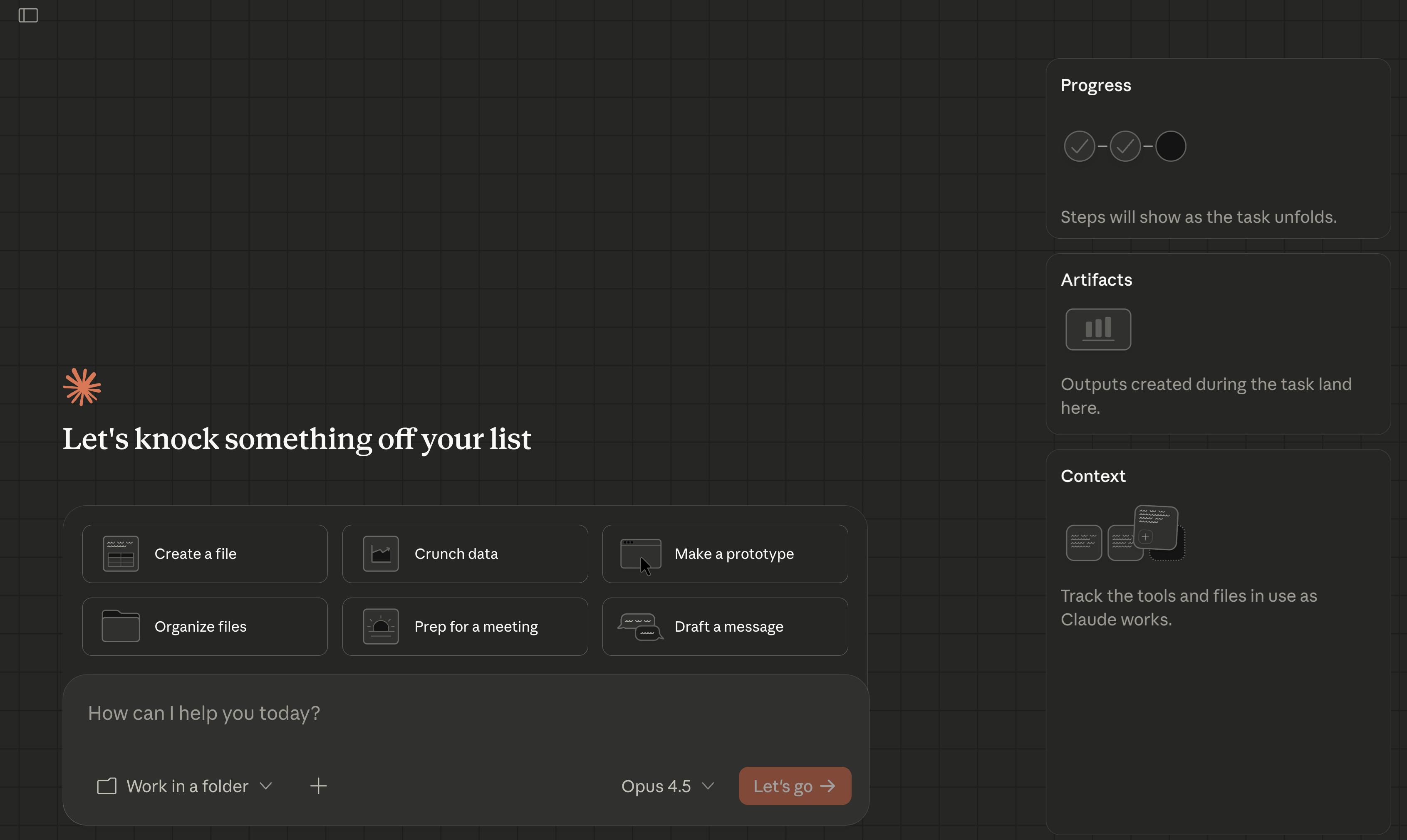
A recent social media post from an Anthropic employee has highlighted the internal and external adoption of the company's AI coding tool, Claude Code. According to the post, developers at major technology firms—specifically Microsoft, Google, and OpenAI—are using Claude Code. Furthermore, Anthropic's own team leveraged the tool to build 'Cowork,' their recently announced AI coding agent, "almost entirely."
Key Takeaways
- Anthropic's Claude Code is reportedly used by developers at Microsoft, Google, and OpenAI.
- The company's own team built its 'Cowork' AI agent almost entirely with the tool.
What Happened
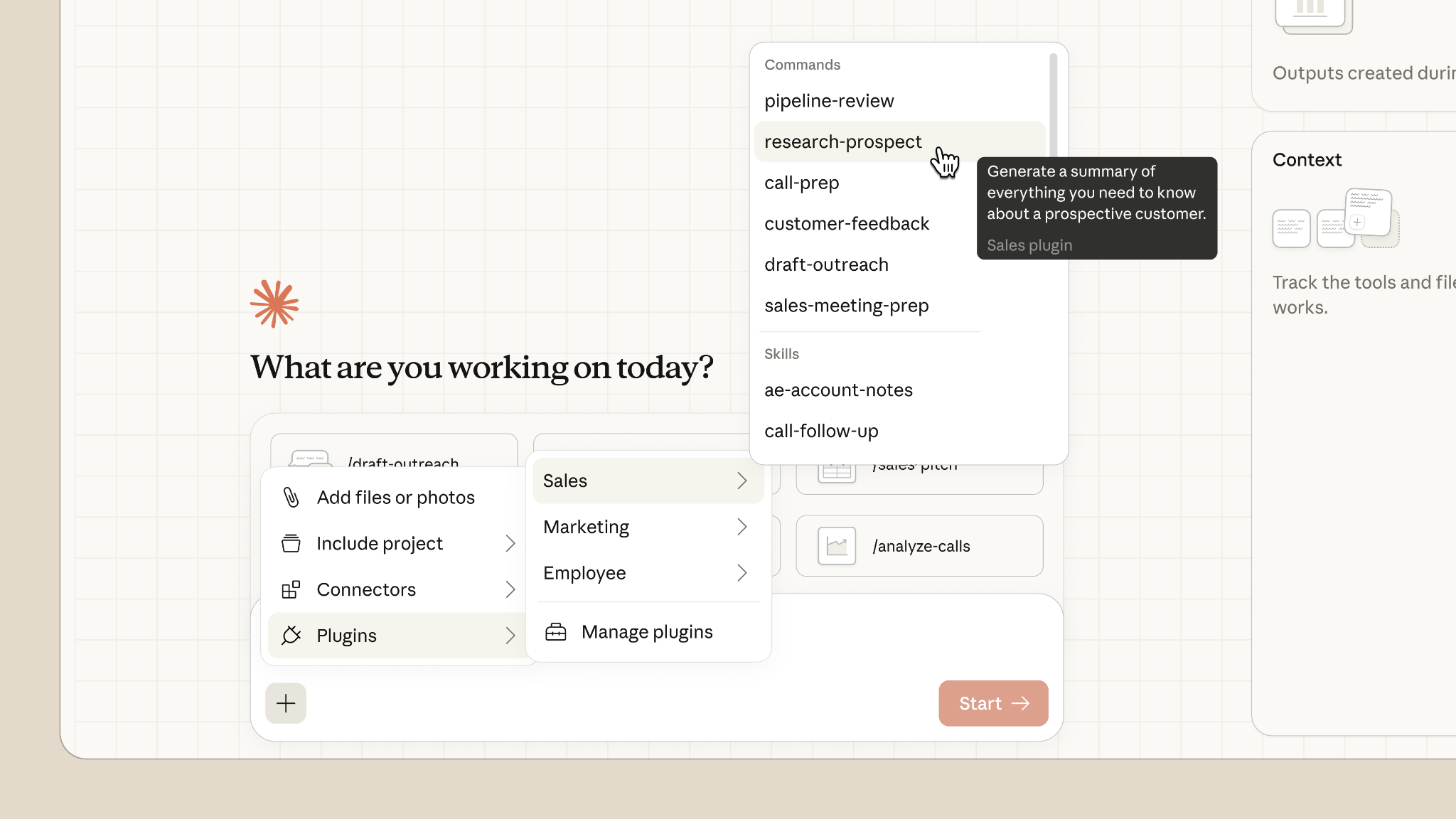
The source is a retweet from Gur Singh, identified as a member of Anthropic's Developer Relations team. The post makes two key claims:
- External Adoption: Claude Code is being used by developers at three of the largest and most influential AI research and development organizations: Microsoft (a major investor in OpenAI and builder of GitHub Copilot), Google (developer of Gemini and other coding assistants), and OpenAI (creator of ChatGPT and a direct competitor to Anthropic).
- Internal Dogfooding: Anthropic used its own tool to develop a significant new product. 'Cowork' is an AI coding agent designed to handle complex, multi-step software engineering tasks. Building it primarily with Claude Code serves as a powerful testament to the tool's capabilities for serious production development.
Context
Claude Code is understood to be an internal or specialized version of Anthropic's Claude models, fine-tuned and optimized for software development tasks. It is distinct from the general-purpose Claude models available via API or chat interface. The mention of 'Cowork' refers to an AI agent system Anthropic has been developing, aimed at autonomously executing more sophisticated coding projects than simple line-by-line completion.
This anecdote points to a trend of AI labs using their own advanced tools internally before a wider release, a practice known as 'dogfooding.' It also suggests a blurring of competitive lines, where developers at rival companies may be using tools from their competitors to build competing products.
gentic.news Analysis
This brief report, while thin on technical specifics, is strategically significant. It reveals adoption patterns at the highest levels of the AI industry. For a tool from Anthropic to be used inside Google and OpenAI—companies pouring billions into developing their own state-of-the-art coding assistants (like Gemini Code Assist and OpenAI's rumored internal tools)—is a strong endorsement of Claude Code's perceived utility. It suggests that for certain tasks, Anthropic's offering may hold a temporary edge or a differentiated approach that even competitors find valuable for daily work.
This aligns with the broader, competitive landscape we've been tracking. Microsoft (via GitHub) and Google have deeply integrated coding assistants into their developer platforms. Anthropic's strategy appears to be winning mindshare among elite developers first, potentially as a precursor to a broader enterprise product. The successful internal build of 'Cowork' also follows the pattern we noted in our coverage of Devin's capabilities last year, where the benchmark for AI coding agents shifted from simple completion to orchestrating multi-file projects. If Cowork was built with Claude Code, it implies the tool is capable of facilitating the development of complex, agentic systems—not just writing functions.
The cross-competitor usage is particularly notable. It underscores that in the fast-moving AI space, practical utility often trumps corporate allegiance. Developers will use the best tool available to them, creating a fluid landscape where a technical advantage can quickly infiltrate a rival's stack.
Frequently Asked Questions
What is Claude Code?
Claude Code is believed to be an internal, specialized version of Anthropic's Claude large language model, optimized for software engineering tasks. It is likely more capable at code generation, review, and debugging than the standard Claude 3.5 Sonnet or Opus models available through public APIs.
What is Anthropic's Cowork?
Cowork is an AI coding agent developed by Anthropic. Unlike a code-completion tool, an agent can plan and execute multi-step software engineering tasks, such as implementing a new feature across several files, debugging a complex issue, or writing tests. Building it with Claude Code demonstrates the tool's proficiency in handling large-scale, practical development work.
Why would Google or OpenAI developers use a competitor's tool?
AI researchers and engineers are primarily driven by efficiency and capability. If Claude Code offers a tangible productivity boost for certain tasks—such as generating high-quality code, refactoring, or exploring novel architectures—practitioners will use it regardless of its origin. This is common in tech; for example, many Apple employees used Google Search internally for years.
Is Claude Code available to the public?
Based on available information, Claude Code appears to be an internal tool used by Anthropic and, reportedly, select developers at other major tech firms. It has not been released as a standalone public product. Anthropic's publicly available coding assistance is offered through its general Claude models on the console and via API.