What Happened
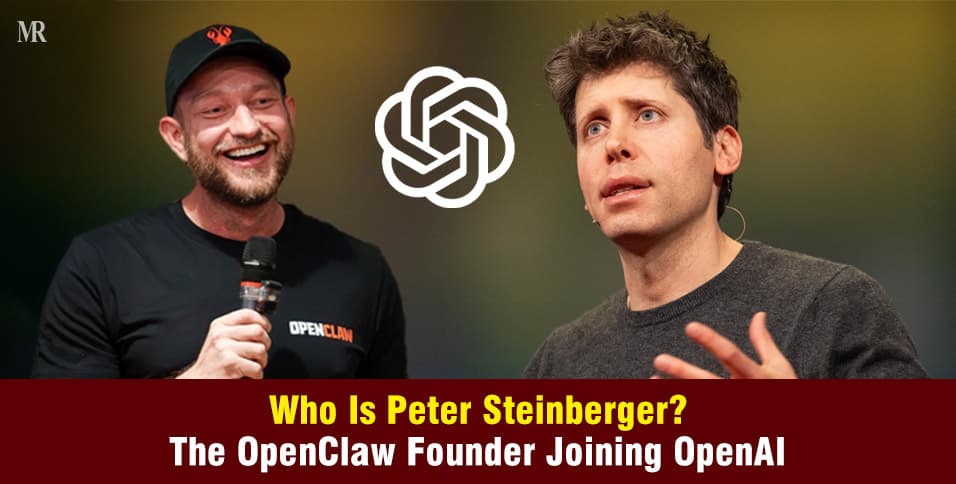
In a recent episode of the Lex Fridman Podcast, Peter Steinberger, the creator behind the open-source robotics project ClawdBot (also known as OpenClaw), disclosed that he turned down an acquisition offer from OpenAI. The discussion, highlighted by AI commentator Rohan Pandey (@rohanpaul_ai), centered on the strategic decisions facing founders in the current AI landscape.
Steinberger indicated that the offer from OpenAI was substantial but ultimately did not align with his vision for the future of the ClawdBot project. The specific financial terms of the offer were not disclosed in the available clip.
Context: The OpenClaw Project
ClawdBot/OpenClaw is an open-source project focused on developing a low-cost, dexterous robotic hand. The goal is to create an accessible platform for robotics research and development, democratizing access to hardware that can perform complex manipulation tasks. By choosing to remain independent, Steinberger signals a commitment to this open-source, community-driven approach, which may contrast with the more centralized or product-focused strategies of larger AI labs.
This revelation comes amid a period of intense competition and talent acquisition in the AI and robotics space, where large labs frequently seek to absorb promising teams and technologies.
gentic.news Analysis
Peter Steinberger's decision to decline OpenAI's offer is a notable data point in the ongoing tension between centralized, well-funded AI development and the open-source ecosystem. OpenAI has a clear and active robotics strategy, as evidenced by its acquisition of the robotics firm 1X Technologies (formerly Halodi Robotics) in 2023 and its ongoing development of embodied AI systems like the Figure 01 humanoid robot in partnership with Figure AI. Acquiring a team like Steinberger's would have fit a pattern of consolidating talent in the physical AI domain.
However, Steinberger's choice underscores a recurring theme: foundational open-source projects often face a crossroads when major commercial interest emerges. Accepting an acquisition can provide immense resources but may redirect the project's goals toward the acquirer's proprietary roadmap. His refusal suggests a belief that the OpenClaw vision—presumably centered on accessibility and community development—is better served outside a large corporate structure, at least for now.
This aligns with a broader trend we've covered, where open-source AI and hardware maintainers are becoming strategic actors. Their projects form the substrate upon which commercial offerings are built, and their independence can be crucial for maintaining ecosystem health and direction. Steinberger's move is less about the specific amount offered and more a statement on control and philosophical alignment in a field where both are increasingly valuable commodities.
Frequently Asked Questions
What is ClawdBot/OpenClaw?
ClawdBot, also known as OpenClaw, is an open-source project aimed at building a low-cost, dexterous robotic hand. It is designed to be an accessible hardware platform for researchers, students, and developers to experiment with robotic manipulation and AI control, lowering the barrier to entry for advanced robotics work.
Why would OpenAI want to acquire an open-source robotics project?
OpenAI has a renewed and significant focus on robotics and "embodied AI." Acquiring a team like Steinberger's would provide them with specialized talent and an advanced hardware platform (the OpenClaw) to integrate into their research. It follows their established pattern of acquiring strategic talent and technology, such as their 2023 acquisition of the humanoid robotics company 1X Technologies.
What does "vision misalignment" mean in this context?
While not explicitly detailed, "vision misalignment" typically refers to differing opinions on a project's future direction. For OpenAI, acquiring OpenClaw might mean integrating it into a proprietary product pipeline or research agenda. Steinberger, as the creator, may prioritize keeping the project open-source, community-focused, and independently roadmapped, goals that could be diluted or changed under new ownership.
Has OpenAI made other notable robotics acquisitions?
Yes. In 2023, OpenAI made a significant move into physical AI by acquiring 1X Technologies, a Norwegian company developing advanced humanoid robots (like the Eve robot) for commercial and domestic tasks. This acquisition marked a major commitment to building embodied AI systems and is a key part of the context for their interest in a project like OpenClaw.