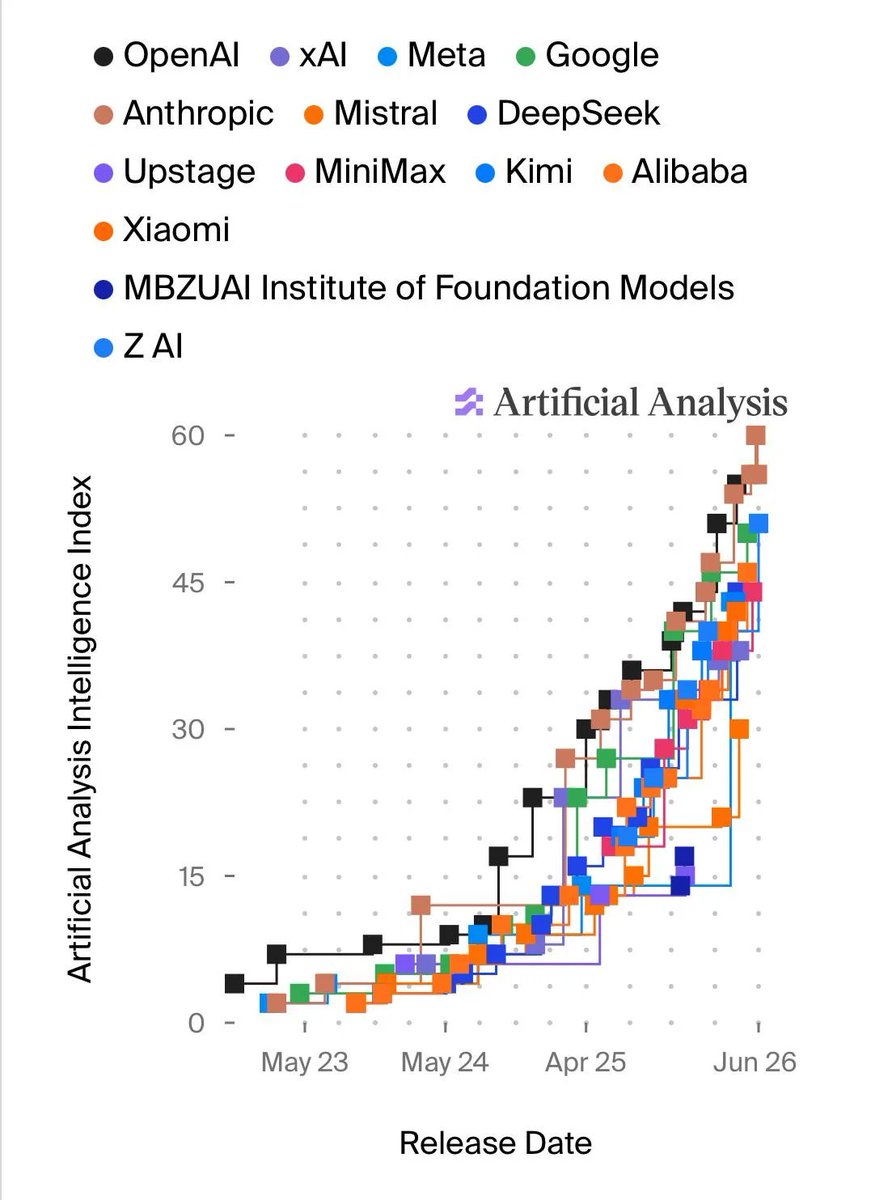
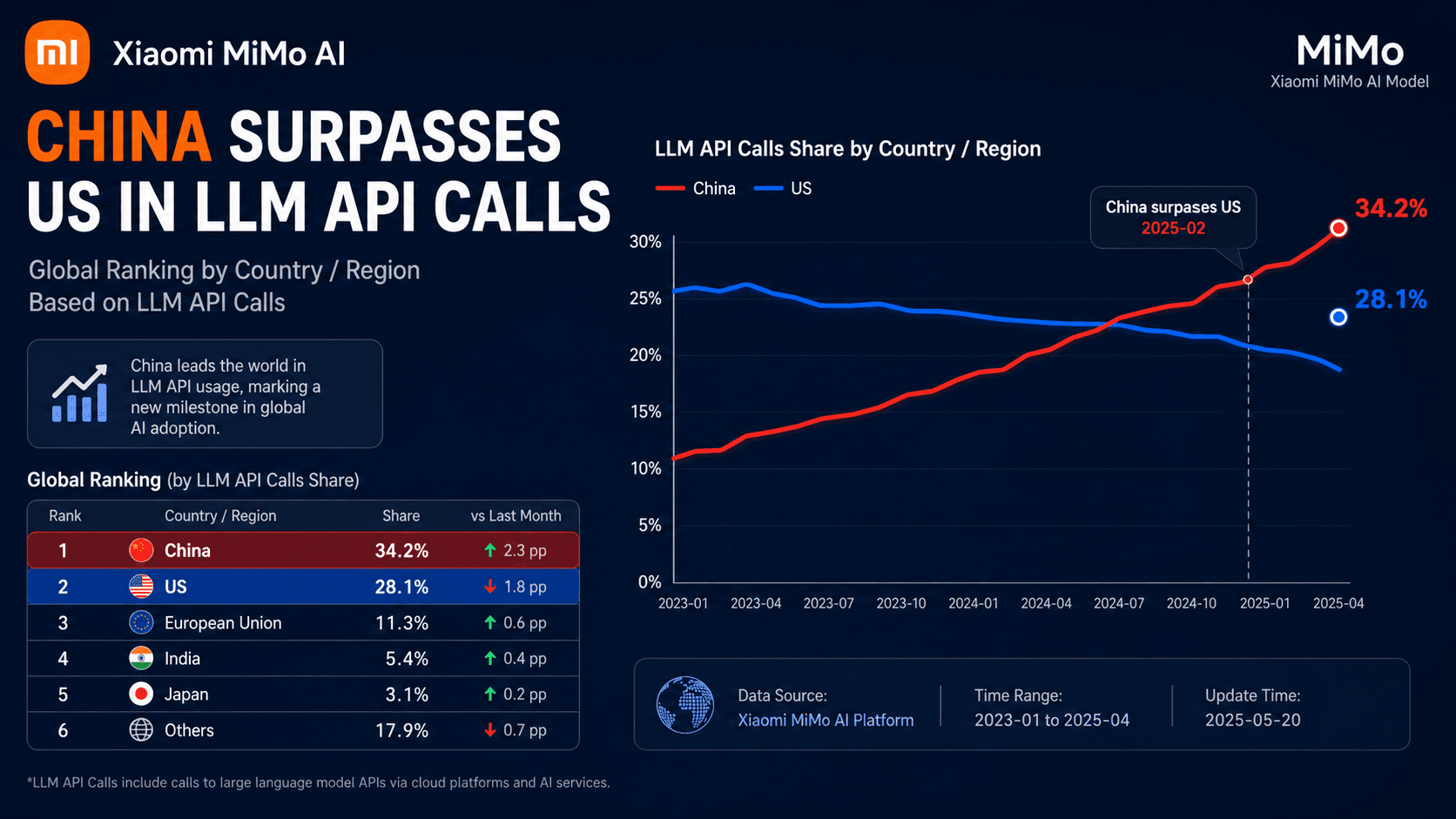
Alibaba's ambitious AI research division, Qwen, is reportedly experiencing a significant brain drain as top researchers depart for other opportunities, according to industry observers. This development represents what some are calling a "seismic shift" in China's artificial intelligence landscape—a pattern of talent mobility previously witnessed primarily at elite US research laboratories like OpenAI, Anthropic, and Google DeepMind.
The Qwen Exodus in Context
Qwen, Alibaba's large language model project, has been one of China's most prominent AI research initiatives, competing with offerings from Baidu (Ernie), Tencent, and emerging startups. The division has produced several notable open-source models that have gained international recognition for their capabilities relative to their parameter size.
The reported talent departures come at a critical juncture for China's AI industry. After years of rapid expansion and massive investment, the sector is entering a consolidation phase where the competition for top AI researchers has intensified dramatically. Unlike previous waves of talent movement within China's tech sector, this exodus appears to follow patterns established in Silicon Valley, where researchers frequently migrate between frontier labs in pursuit of more ambitious projects, better resources, or greater autonomy.
Why Top AI Talent Is Leaving
Several factors likely contribute to the talent drain at Qwen and similar Chinese AI labs:
1. Intensified Competition: The Chinese AI landscape has become increasingly crowded, with well-funded startups and established tech giants all vying for the same limited pool of elite researchers. Companies like Moonshot AI, Zhipu AI, and 01.ai have raised substantial capital and are aggressively recruiting top talent.
2. Research Autonomy: Many AI researchers prioritize intellectual freedom and the ability to pursue ambitious, long-term projects. Some may perceive newer, more focused AI startups as offering greater autonomy compared to large corporate research divisions embedded within massive technology conglomerates.
3. Compensation and Equity: The funding boom in Chinese AI has created opportunities for researchers to secure more favorable compensation packages, including potentially more valuable equity in high-growth startups versus established giants.
4. Technical Challenges: As AI models grow more complex and expensive to develop, researchers may seek environments with more specialized infrastructure or clearer technical roadmaps.
Implications for Alibaba and China's AI Ecosystem
The talent departures from Qwen carry significant implications for multiple stakeholders:
For Alibaba: The company faces increased pressure to retain its remaining AI talent while continuing to advance its models. This may require restructuring incentives, providing clearer career paths for researchers, or potentially spinning off AI research into more autonomous units. The competition is particularly challenging as Alibaba has undergone significant corporate restructuring in recent years.
For China's AI Ambitions: While talent mobility can stimulate innovation through knowledge diffusion, concentrated losses at major labs could slow progress on specific technical frontiers. However, the redistribution of talent across more organizations might ultimately strengthen China's overall AI ecosystem by diversifying research approaches and reducing concentration risk.
For Global AI Competition: China's AI development has largely progressed in parallel with Western advances, with occasional technology transfer but mostly independent innovation. If talent dispersion follows US patterns, it could accelerate China's AI capabilities through increased competition and specialization, potentially narrowing the gap with US frontier models in certain applications.
The Bigger Picture: AI Talent as Scarce Resource
The situation at Qwen underscores a fundamental reality of contemporary AI development: elite researchers represent an exceptionally scarce and valuable resource. The global competition for this talent has created a market where individuals with proven capabilities in developing large language models, reinforcement learning systems, or other advanced AI architectures command extraordinary compensation and influence.
This talent scarcity is exacerbated by several factors:
- The highly specialized nature of frontier AI research
- The relatively small number of researchers with experience training cutting-edge models
- The concentration of expertise at a handful of institutions worldwide
- The rapid expansion of AI applications across industries
Looking Ahead: Potential Outcomes
Several scenarios could emerge from this talent redistribution:
1. Accelerated Innovation: As researchers join new teams with fresh perspectives, cross-pollination of ideas could accelerate innovation across China's AI sector.
2. Specialization: Different organizations may develop distinct technical strengths, creating a more diversified AI ecosystem rather than having all top talent concentrated at a few tech giants.
3. Corporate Adaptation: Established companies like Alibaba may develop new organizational structures or incentive models to better retain research talent, potentially influencing how corporate AI research is conducted globally.
4. Startup Surge: The influx of experienced researchers into well-funded startups could produce new challengers to established players, mirroring the dynamic that created OpenAI and Anthropic in the US.
Conclusion
The talent movement at Alibaba's Qwen represents more than just personnel changes at a single company—it signals the maturation of China's AI research ecosystem. As the sector evolves from centralized development at major tech conglomerates toward a more distributed, competitive landscape, the patterns of talent mobility increasingly resemble those in Silicon Valley.
This transition presents both challenges and opportunities. While Alibaba and other established players must adapt to retain their best minds, the broader dispersion of expertise could ultimately strengthen China's position in the global AI race by fostering greater innovation through competition. The coming months will reveal whether this talent redistribution leads to fragmentation or to a more robust, diverse AI ecosystem capable of competing at the highest levels of global AI development.
Source: Analysis based on reporting from industry observers including @kimmonismus on X/Twitter.