Key Takeaways
- Time magazine named Alibaba, ByteDance, and Zhipu AI among its first AI-specific top 10 list, alongside six US companies and France's Mistral AI.
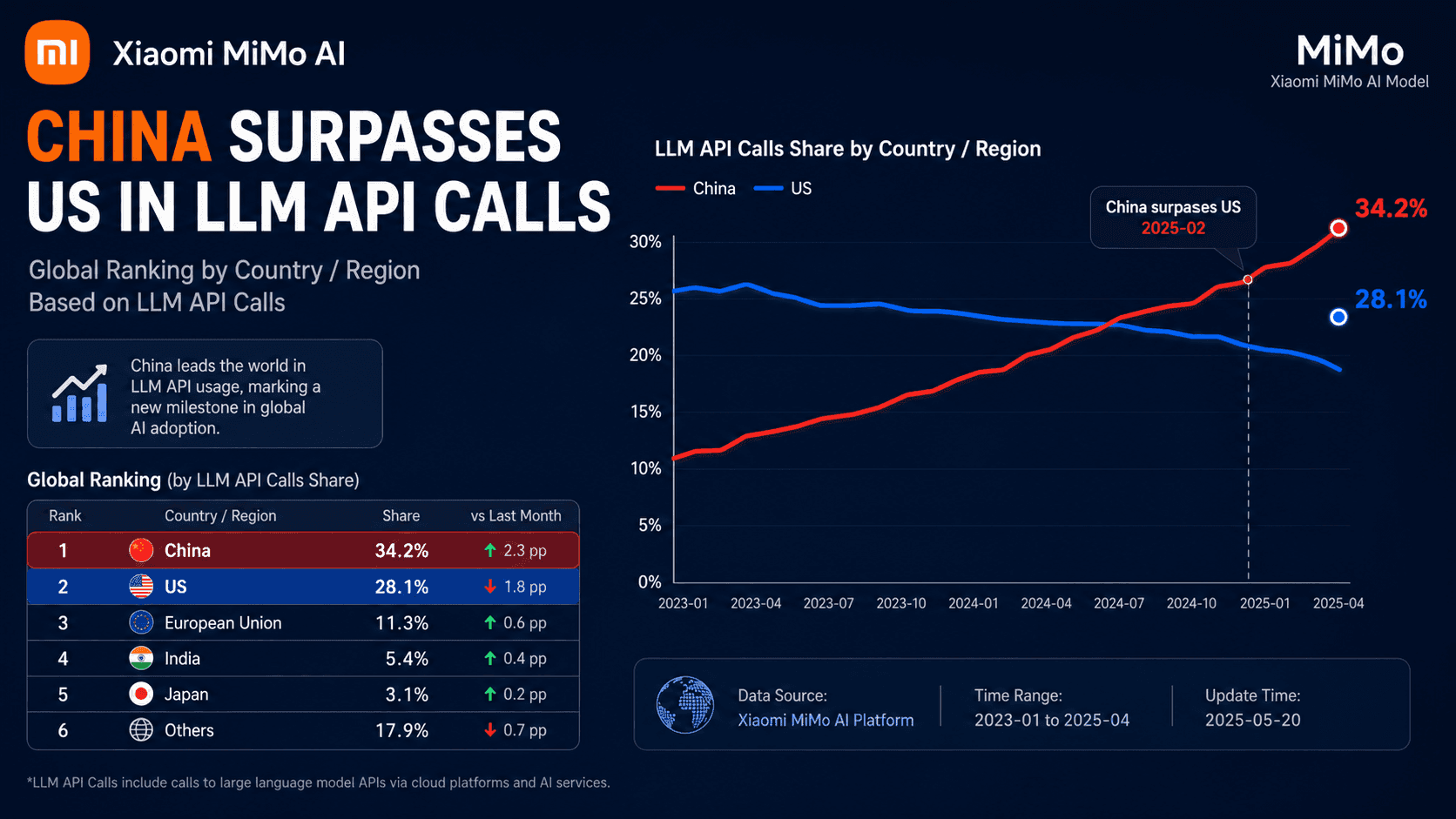
- The recognition highlights China's growing global influence through open-source models and consumer AI apps.
Time's First AI A-List: Alibaba, ByteDance, Zhipu AI Make Cut Alongside US Giants
Time magazine has published its first-ever dedicated artificial intelligence ranking, the "10 Most Influential AI Companies of 2026," with three Chinese firms — Alibaba Group Holding, ByteDance, and Zhipu AI — making the cut. The list, a sub-list under Time's broader Time100 Most Influential Companies ranking, signals that AI has moved from hype to a defining force in the global economy.
Of the ten companies selected, six are based in the United States, including OpenAI, Alphabet (Google), Amazon, Meta Platforms, and Anthropic. France's Mistral AI is the sole European representative.
The Chinese Contingent: Open-Source and Consumer Apps
Time's selection underscores the distinct strategies that propelled these Chinese companies onto the global stage.
- Alibaba: Recognized for its aggressive open-source push with the Qwen family of models. Time noted that Qwen models have surpassed 1 billion downloads and gained adoption by international companies including Airbnb. Alibaba's strategy mirrors Meta's open-source approach with Llama models, positioning it as a direct competitor to both US and European open-source initiatives.
- ByteDance: The parent company of TikTok has focused on scaling consumer-facing AI applications rather than open-source model releases. This approach leverages its massive user base and expertise in recommendation algorithms.
- Zhipu AI: A Beijing-based AI startup that has also emphasized open-source models, though with a smaller global footprint compared to Alibaba. Its inclusion reflects the breadth of China's AI ecosystem beyond the tech giants.
The US Dominance: Scale, Funding, and Infrastructure
The six US companies on the list — OpenAI, Alphabet, Amazon, Meta, Anthropic, and one additional unnamed US firm — collectively represent the bulk of global AI investment. According to Time, these companies have poured billions into model development and computing infrastructure.
- OpenAI and Anthropic continue to lead in frontier model development, with Anthropic recently projected to surpass OpenAI in annual recurring revenue by mid-2026. Anthropic is also reportedly considering an IPO as early as October 2026.
- Meta has committed over $60 billion in AI spending for 2025, with a mandate that 65–80% of developer code must be AI-generated by mid-2026.
- Amazon and Alphabet (Google) are leveraging their cloud infrastructure (AWS and Google Cloud) to offer AI services at scale, with Amazon investing $4 billion in Anthropic and developing custom AI chips (Trainium, Inferentia).
European Representation: Mistral AI
Mistral AI, the Paris-based startup, is the only European company on the list. It has carved a niche with competitive open-source models and a focus on enterprise customers. Its inclusion highlights Europe's ambition to remain relevant in the AI race, though it remains dwarfed by US and Chinese spending.
What This Means in Practice
Time's debut AI ranking is not just a PR exercise. It reflects a maturing industry where influence is measured by deployment, not just research output. For practitioners, the list signals that open-source models from Alibaba and Zhipu AI are now serious alternatives to Meta's Llama and Mistral, especially in Asian markets. ByteDance's consumer-first strategy shows that AI influence can be built through applications, not just foundation models.
gentic.news Analysis
Time's decision to create a dedicated AI list is itself a recognition of the sector's outsized economic impact. But the composition of the list reveals a few key dynamics.
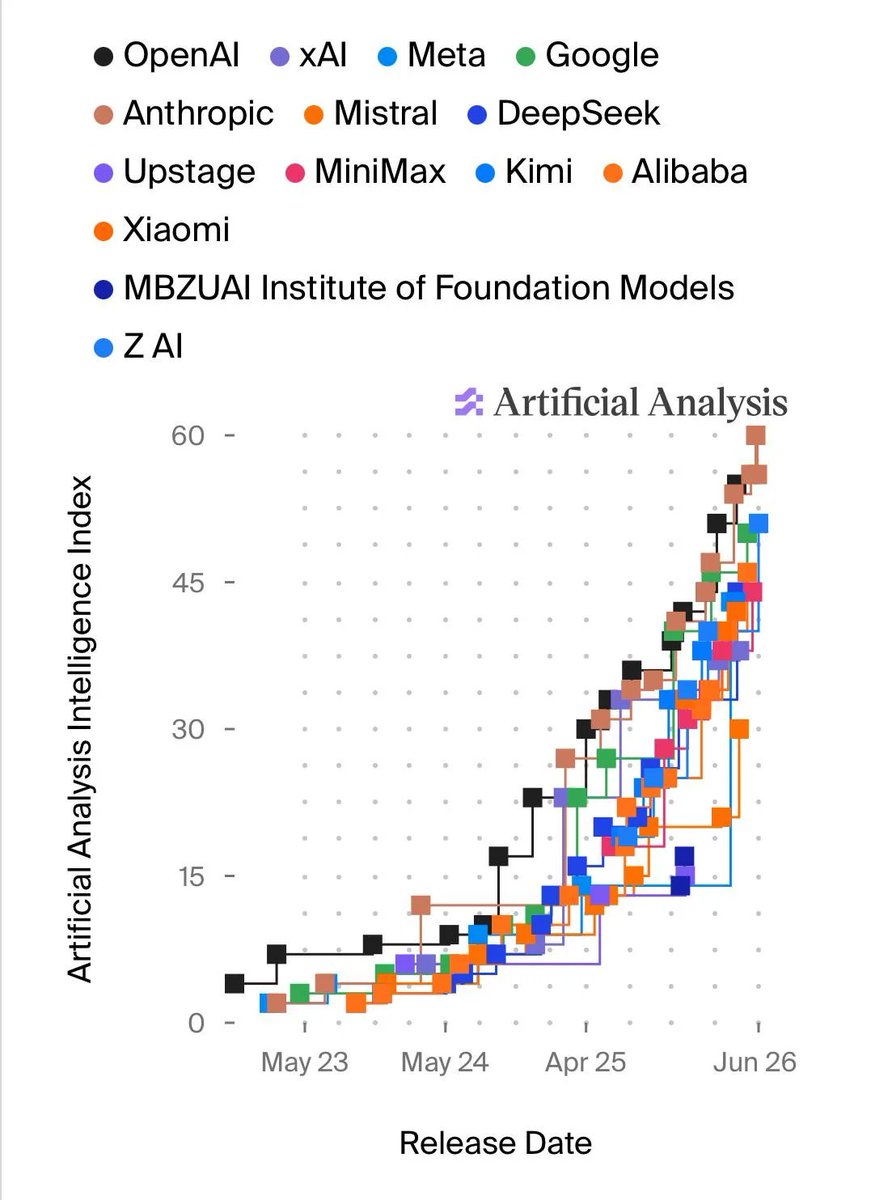
First, the presence of three Chinese companies — Alibaba, ByteDance, and Zhipu AI — alongside six US firms underscores the bipolar nature of the global AI landscape. The US and China dominate both investment and deployment, with Europe (Mistral) and the rest of the world largely sidelined. This aligns with our recent coverage of Big Tech earnings, where analysts noted that "Google has the cleanest AI story" (April 29, 2026), and the ongoing shift in AI narrative toward infrastructure spending ("CPU Demand Flipping the AI Narrative," April 28, 2026).
Second, the inclusion of Alibaba and Zhipu AI highlights the growing importance of open-source models as a vector for global influence. Alibaba's Qwen models have crossed 1 billion downloads, directly competing with Meta's Llama series. This mirrors the open-source strategy that Meta has championed — and which we have covered extensively, including Meta's $60 billion AI spend and its mandate for AI-generated code. The competition is no longer just about benchmark scores (though we covered GPT-5.5 Pro Leapfrogs on Epoch Benchmark just yesterday); it's about ecosystem adoption.
Third, ByteDance's inclusion without a major open-source play is a reminder that consumer AI applications remain a powerful channel. ByteDance's expertise in recommendation algorithms and massive user base gives it a distribution advantage that pure model labs cannot match. This is a different kind of influence — one measured in daily active users, not model downloads.
Finally, the absence of any company from South Korea, Japan, or Israel — all countries with active AI sectors — suggests that Time's criteria heavily weighted global reach and scale. For practitioners, the list serves as a useful but incomplete snapshot of AI influence. The real test will be whether these companies can sustain their positions as the AI landscape continues to shift.
Frequently Asked Questions
Why did Time create a separate AI companies list?
Time introduced the AI-specific sub-list under its broader Time100 Most Influential Companies ranking to reflect the growing economic and technological impact of AI. The publication stated that AI has moved beyond hype to become a defining force in the global economy, with far-reaching implications for productivity, infrastructure investment, and technological development.
Which three Chinese companies made Time's AI list?
The three Chinese companies are Alibaba Group Holding (known for its open-source Qwen models), ByteDance (parent company of TikTok, focused on consumer AI applications), and Zhipu AI (a Beijing-based AI startup emphasizing open-source models). Alibaba's Qwen models have surpassed 1 billion downloads and are used by international companies including Airbnb.
How does the list compare US vs. Chinese AI companies?
Six of the ten companies are US-based (OpenAI, Alphabet, Amazon, Meta, Anthropic, and one unnamed US firm), three are Chinese (Alibaba, ByteDance, Zhipu AI), and one is European (Mistral AI, based in France). US companies dominate in scale, funding, and infrastructure investment, while Chinese firms have expanded rapidly through open-source models (Alibaba, Zhipu AI) and consumer applications (ByteDance).
What is the significance of Alibaba's Qwen models reaching 1 billion downloads?
The 1 billion download milestone positions Alibaba's Qwen models as a major open-source alternative to Meta's Llama series and Mistral. It indicates significant global adoption, particularly in Asia and among international enterprises like Airbnb. This underscores the growing importance of open-source models as a vector for AI influence and market share.
[Updated 30 Apr via scmp_tech]
China's National Development and Reform Commission (NDRC) on Monday blocked Meta's $2.5 billion acquisition of AI startup Manus, citing unspecified cybersecurity concerns, and separately flagged risks around Anthropic's Claude Mythos Preview model. The NDRC's one-sentence statement gave no specific reason for blocking the deal, which Meta is now preparing to unwind. The move escalates US-China tech tensions, directly affecting two companies on Time's AI A-list — Meta and Anthropic — and signals Beijing's willingness to intervene in cross-border AI transactions [per SCMP].