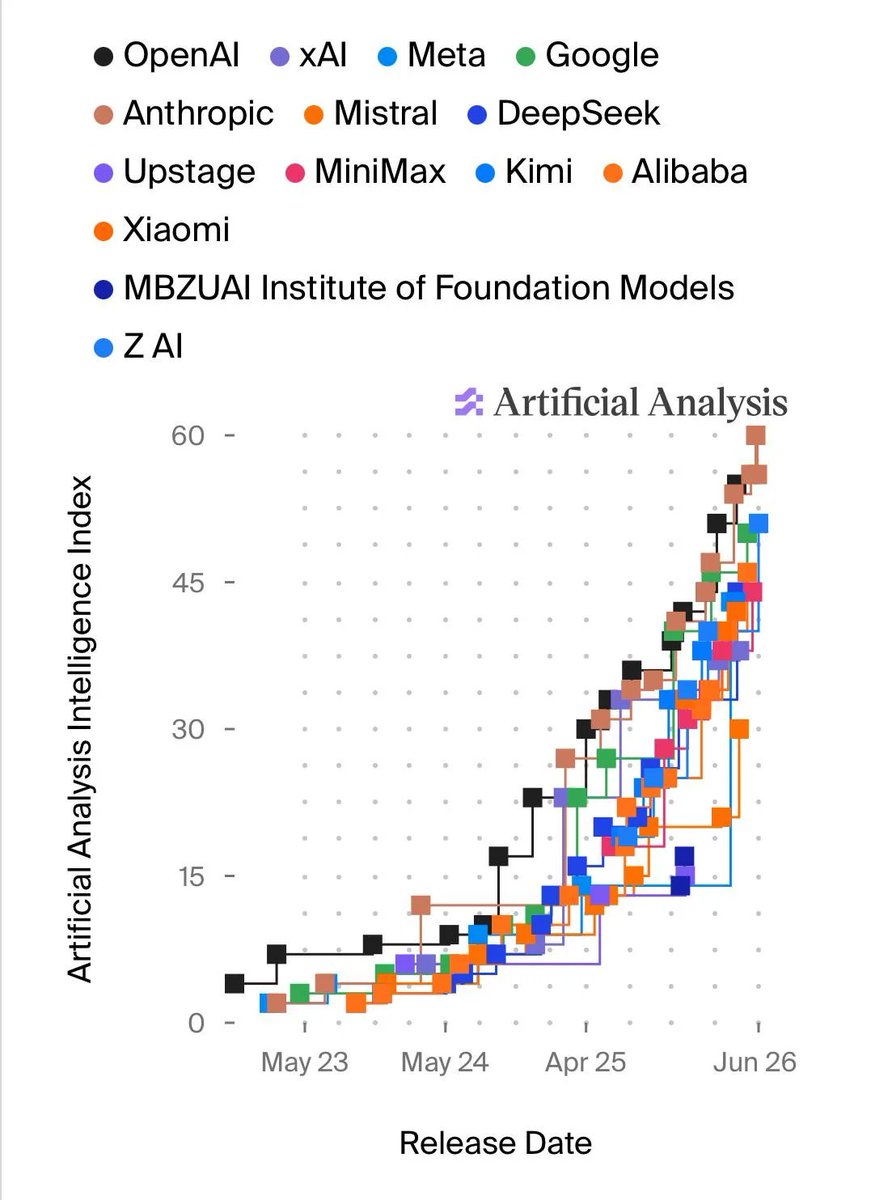
A sobering analysis from Reuters Breakingviews has cast a stark light on the immense systemic risk now embedded in the global economy by the artificial intelligence boom. The report, highlighted by commentator Rohan Paul, posits a chilling scenario: the failure of a leading AI research lab like OpenAI or Anthropic would not be an isolated corporate bankruptcy. Instead, it would act as a detonator for a chain reaction capable of collapsing a massive financial and physical infrastructure ecosystem valued in the trillions of dollars.
The $650 Billion Bet on AI Compute
At the heart of this vulnerability is an unprecedented capital expenditure cycle. Tech giants—primarily Microsoft, Google, Amazon, and Meta—are on track to spend a staggering $650 billion this year alone on building new data centers and acquiring advanced semiconductors, chiefly from Nvidia. This spending spree is not speculative; it is a direct response to a single, voracious customer base: the major AI labs.
These labs, in their race to develop ever-larger and more capable models, have an insatiable appetite for computing power, or "compute." Their demand is the primary engine justifying this historic infrastructure build-out. As the Reuters commentary notes, "These labs are the primary customers for the $650B that tech giants are spending." If that demand vanished overnight because a key lab failed, the economic rationale for continued expansion would evaporate. The construction of new data centers would "violently hit the brakes," leaving half-built projects and a sudden glut of unused capacity.
The Domino Effect: From Grids to Lenders
The collapse would not stop at the server rack. The AI boom has spurred parallel investments in the physical and financial infrastructure required to support it.
Power Grids in Peril: Massive new data centers require enormous, reliable electricity, often demanding gigawatts of power—equivalent to the needs of a major city. Utilities and independent developers have launched multi-billion-dollar projects to build new power plants, substations, and transmission lines specifically to service these AI hubs. A sudden halt in data center growth would render these projects "completely abandoned and useless," stranding capital and disrupting regional energy planning.
A $900 Billion Credit Crisis: The financial underpinnings of this boom are equally exposed. Banks and private credit lenders have poured roughly $900 billion into financing data center projects, chip purchases, and related infrastructure, betting on the sector's long-term growth. The failure of a cornerstone AI lab would introduce "severe uncertainty" into these loans, threatening lenders with "massive potential losses" as the value of their collateral—the very data centers and hardware built for AI—plummets.
No Simple Bailout
One might assume that a bigger tech company would simply acquire a failed lab at a fire-sale price, mitigating the damage. While this is a possibility, the Reuters analysis suggests it would be a pyrrhic victory. Such a distressed acquisition would occur in a climate of panic and shattered confidence. The perceived value of the entire AI industry, built on the premise of limitless growth and transformative potential, would "instantly crash."
The contagion would spread rapidly across the tech supply chain:
- Cloud Providers (Microsoft Azure, Google Cloud, AWS): Their growth narratives and market valuations are tightly coupled to AI service revenue.
- Chipmakers (Nvidia, AMD, Custom Silicon Teams): Their record-breaking sales are directly tied to AI lab procurement.
- Real Estate & Construction: The boom in building specialized, power-dense facilities would freeze.
A Concentration Risk of Epic Proportions
This analysis underscores a critical and often overlooked danger in the AI revolution: extreme concentration risk. The stability of a $1.5 trillion-plus investment wave (combining the $650B in capex and $900B in credit) currently rests on the continued survival and aggressive spending of a handful of private companies—OpenAI, Anthropic, and perhaps a few others. These entities, while technologically groundbreaking, are not infallible. They could fall victim to technological dead-ends, catastrophic safety failures, intense regulatory pressure, internal governance crises, or simply running out of capital before achieving profitability.
The situation echoes historical bubbles where overinvestment in a single theme led to systemic shocks, but with a modern, hyper-accelerated twist. The infrastructure being built is highly specialized for AI workloads, making it difficult to repurpose quickly for other ends, which amplifies the potential losses.
A Call for Resilience
The Reuters commentary serves as a crucial reality check for investors, policymakers, and the tech industry itself. It highlights that the AI economy is not yet a diversified, resilient ecosystem but a towering edifice built on a narrow base. As the industry matures, building in buffers, encouraging a more diverse customer base for compute, and developing contingency plans for infrastructure repurposing will be essential to prevent a single point of failure from triggering a widespread collapse. The promise of AI is vast, but its foundation, it appears, remains fragile.