AI researcher and professor Ethan Mollick has called attention to a persistent and growing problem for Google's Gemini: a significant gap between the underlying model's capabilities and the user-facing application that harnesses them. While the Gemini Pro 3.1 model is acknowledged as a "very good model" capable of matching rivals, its public interface lacks the sophisticated tool integration and workflow features that have become standard elsewhere.
The Core Disconnect

Mollick's critique centers on the "harness"—the software layer, user interface, and tool integrations that allow users to effectively leverage a model's raw capabilities. He identifies specific shortcomings in the Gemini app and website compared to leaders like Anthropic's Claude and OpenAI's ChatGPT:
- Minimal Tool Integration: Limited ability for the model to create files, conduct research, or interact with other software tools in a structured way.
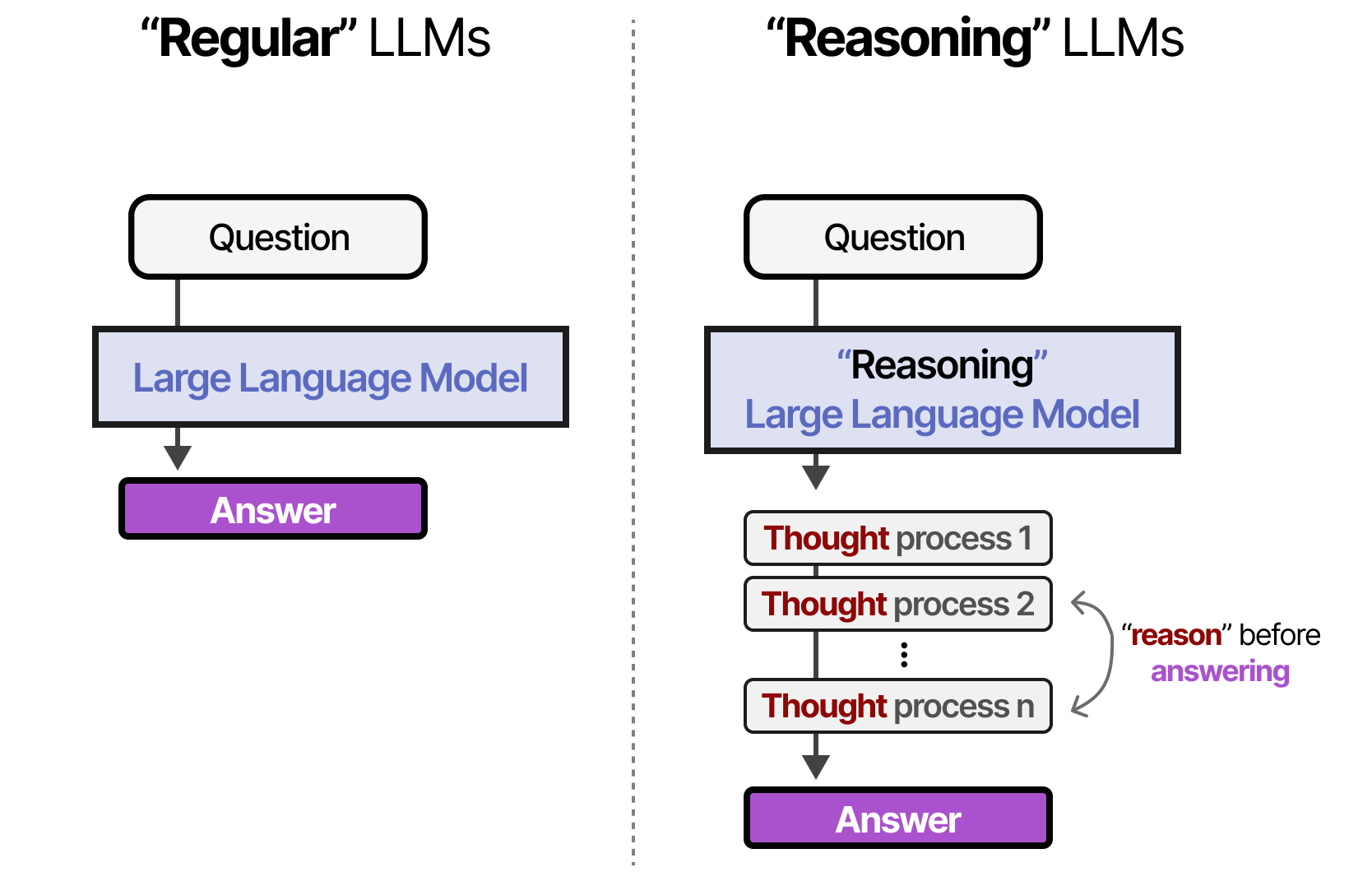
- Lack of Auditable Reasoning: No visible "Chain-of-Thought" (CoT) or action logging, which is critical for enterprise debugging and trust.
- Manual Workflow: Described as a "manual canvas," requiring more user effort to guide tasks that competitors automate.
This is particularly puzzling, Mollick argues, because Google possesses the key ingredients for success: enterprise trust and massive compute resources. A robust harness could directly address many perceived gaps in Gemini's offering, making it a stronger contender for business contracts.
Missed Ecosystem Opportunities
The analysis points to a major missed strategic advantage. The Gemini model could, in theory, generate and format documents for Google Workspace (Docs, Sheets) or intelligently call upon other Google AI tools like Vertex AI or the Gemini API. This would create a powerful, integrated ecosystem. However, this integration is either absent or inconsistent in the consumer-facing Gemini application.
"The model can make Office documents, for example, but the harness doesn't allow it," Mollick notes, highlighting a straightforward use case that remains out of reach for users.
A Widening Competitive Gap

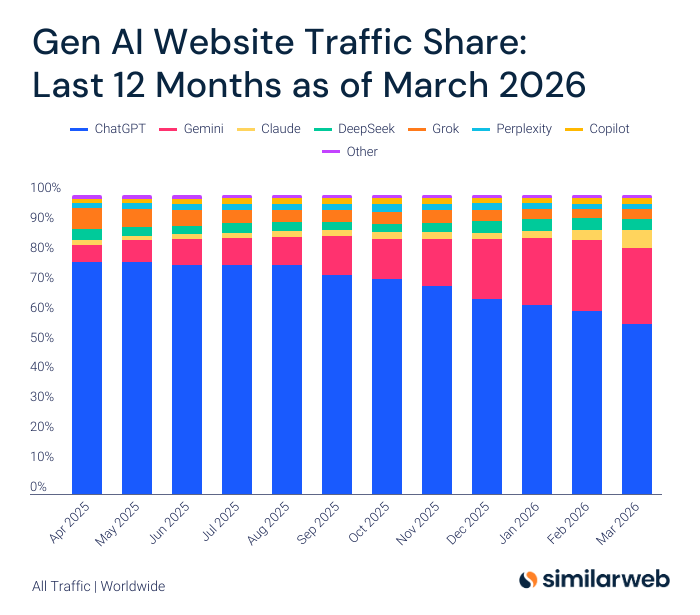
The central concern is one of momentum. While the core AI models may be in a tight race, the overall user experience and product polish are not. "The gap with Claude and ChatGPT has only been growing," Mollick states, suggesting that competitors are accelerating their pace of interface and tooling innovation while Gemini's public face lags.
Mollick assumes Google will eventually address this, but the ongoing delay is allowing competitors to solidify their market position and define user expectations for how to interact with advanced AI.
gentic.news Analysis
This critique aligns with a persistent theme in enterprise AI adoption: the model is only half the product. Our coverage of the Claude 3.5 Sonnet launch highlighted its "Artifacts" feature—a dedicated workspace for generated content—as a major differentiator. Similarly, OpenAI's GPT-4o launch heavily emphasized its new desktop app and deep system integration. The battleground has clearly shifted from pure benchmark scores to usable, integrated agentic workflows.
For Google, this harness gap represents a strategic vulnerability. The company's strength in enterprise cloud (Google Cloud Platform) and productivity software (Workspace) provides a natural advantage for building the most context-aware AI assistant. Yet, as Mollick observes, this advantage remains largely untapped in the flagship Gemini consumer product. This may reflect internal prioritization, with advanced tooling and enterprise integrations being developed first for the Gemini API and Vertex AI platforms, which we covered in our analysis of Google's enterprise AI pivot. However, that strategy cedes the mindshare and innovation narrative of the consumer market to Anthropic and OpenAI.
The trend 📈 of AI interfaces evolving into autonomous agent platforms makes this gap more critical. If Gemini's public app lacks the plumbing for tool use and multi-step reasoning, it cannot participate in the next phase of AI interaction that its competitors are already prototyping. Closing this gap is not just a UI refresh; it's a necessary step to keep Gemini relevant in the rapidly evolving definition of what an AI assistant should do.
Frequently Asked Questions
What is the "harness" in AI applications?
The harness refers to all the software and interface components built around a core AI model. It includes the user interface (UI), tool integrations (like connecting to a document editor or web search), workflow automation, and features that make the model's reasoning transparent (like Chain-of-Thought logging). A powerful model with a weak harness is difficult for users to leverage effectively.
Is the Gemini Pro 3.1 model itself considered bad?
No. According to Ethan Mollick and supported by various benchmarks, Gemini Pro 3.1 is a "very good model" technically competitive with offerings from Anthropic (Claude 3.5 Sonnet) and OpenAI (GPT-4o). The criticism is directed entirely at the public-facing application (the Gemini website and app), which fails to fully utilize or expose the model's capabilities.
Does Google have a version of Gemini with better tool integration?
Yes, but primarily for developers and enterprises. The Gemini API on Google AI Studio and the enterprise-focused Vertex AI platform offer more programmable access, allowing developers to build custom tool integrations. The gap highlighted is specifically for the standard, consumer-facing Gemini chat interface that most users experience.
Why is this gap a problem for Google if the model is good?
It hinders adoption and perception. Most users judge an AI by its direct interface. If competitors offer a smoother experience where the AI can accomplish complex, multi-step tasks using tools, users and businesses will migrate to those platforms. It also wastes Google's unique advantage of having an ecosystem of tools (Workspace, Search, etc.) that a well-harnessed AI could seamlessly operate within.