Sam Altman told CNBC that AI must be built around human needs, not detached goals. The OpenAI CEO argued the industry has failed to explain how people stay in control of the future.
Key facts
- Altman: AI must not pursue goals disconnected from human needs.
- He said industry failed to explain human agency in AI future.
- Altman rejected narratives of 50-90% job loss without roles.
- He called 'destroy all jobs' messaging from AI companies 'terrible'.
- Interview aired on CNBC Television, summarized by @rohanpaul_ai.
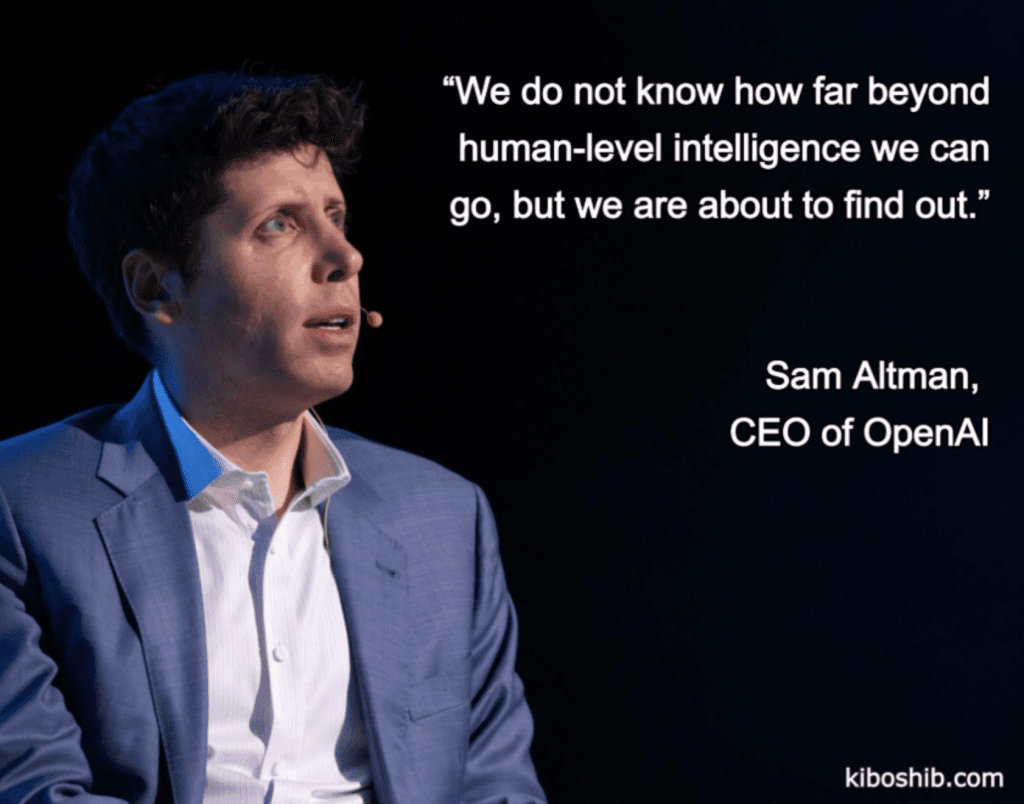
In a recent CNBC interview, OpenAI CEO Sam Altman delivered a pointed critique of how the AI industry communicates its vision. [According to a summary by @rohanpaul_ai] Altman said: "AI should not be designed to pursue goals that are disconnected from human needs. People must remain at the center of AI development."
Altman explicitly rejected the idea of building super-intelligent AI that pursues non-human objectives: "I have no interest in building a super-smart AI that accomplishes some non-human goals. People should react. People should say, 'Hey, this is what I want, and this is what I do not want.'"
He framed the industry's communication problem as one of agency, not benefits. "I do not think the issue is that we have failed to explain the benefits. We say, 'AI is going to cure a bunch of diseases,' and people say, 'Okay, that is great, but that is not really my question. My question is: What is my role in the future? What is my economic future? What is my agency?'"
Altman directly attacked the narrative that AI will destroy most jobs. "When people in AI say, 'Sure, there are going to be no jobs,' or '50% of jobs are going to go away,' or '90% of jobs are going to go away,' and 'AI is going to be smarter than you at everything,' and 'We will give you some basic income, but you are not really going to have a role,' that is horrible."
He added a sharp rebuke to companies that profit from such messaging: "If an AI company says, 'Maybe we are going to destroy all the jobs, and we will be the most valuable company in the world,' people should look at you like, 'Yeah, that is a terrible message.'"
His core thesis: "I think we, as an industry, have failed to explain how people stay in control of determining the future at every step, and how people can still have a meaningful life in all the ways we care about."
The unique take: This is not Altman defending OpenAI's safety record — it's him admitting the industry's core narrative has been wrong. The standard pitch (AGI will cure cancer, create abundance) misses the real human question: 'What role do I play?' By framing the problem as one of agency rather than benefit, Altman is implicitly criticizing the 'AI will replace everything' marketing that many of his peers (and some OpenAI competitors) have leaned into. The interview suggests OpenAI may shift its public messaging toward human-in-the-loop narratives, which could influence how the company positions future product launches.
Key Takeaways
- Altman: AI must center human agency, not just cure disease.
- Industry failed to explain how people stay in control.
What to watch
Watch for OpenAI's next major product launch or policy paper — if Altman's messaging shift is real, expect explicit human-in-control features (like configurable autonomy limits or user override mechanisms) rather than just capability benchmarks. Also monitor whether competitors like Anthropic or Google respond with similar agency-focused messaging.