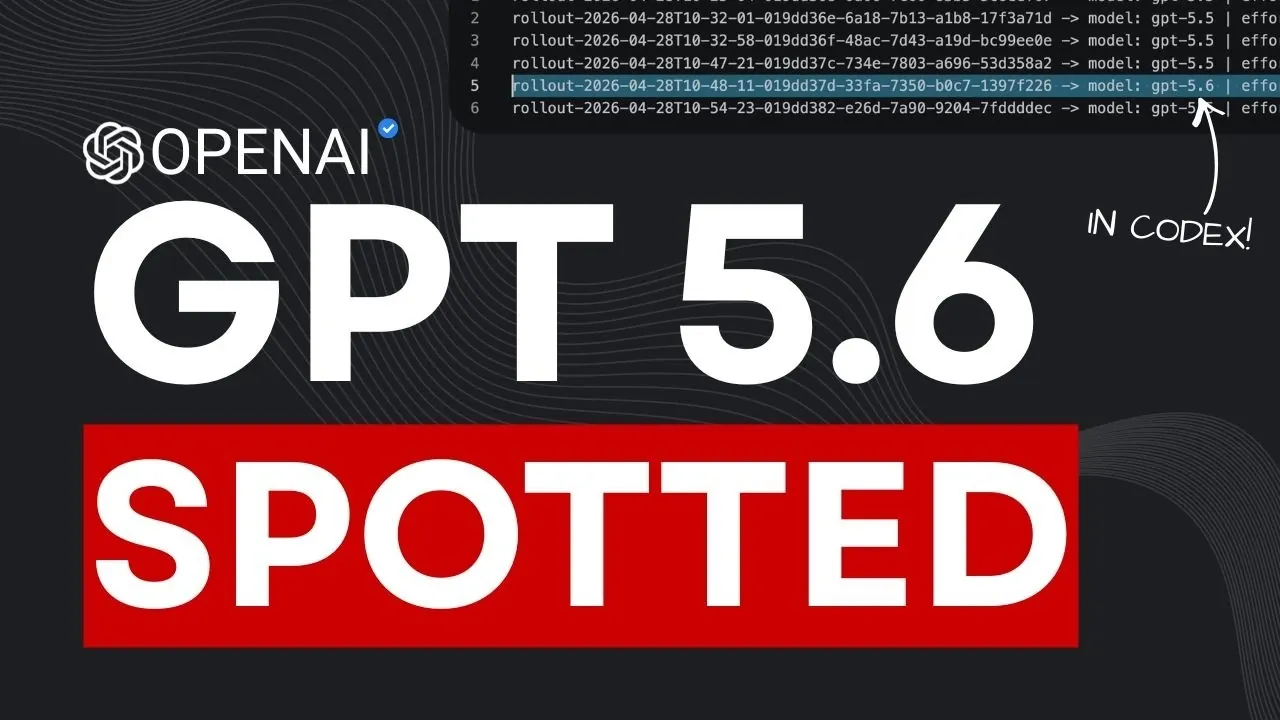
The White House asked OpenAI to stagger GPT-5.6's release, approving access per customer. CEO Sam Altman told staff Wednesday the government will gate preview access, per The Information.
Key facts
- White House asked OpenAI to stagger GPT-5.6 release.
- Government will approve access per customer during preview.
- Anthropic suspended Claude Mythos earlier in 2026 under regulatory pressure.
- OpenAI has raised $40B+; Anthropic raised $11.5B+.
- Trump signed executive order for voluntary model testing earlier this month.
The Trump administration has asked OpenAI to stagger the release of GPT-5.6, limiting initial access to select partners while the government approves each customer individually, according to a person familiar with the matter. CEO Sam Altman told employees in a company Q&A Wednesday that the preview period would be followed by a broader release "a couple of weeks later" if the limited rollout goes well, The Information reported.
The agencies that pushed for the limited release were the Office of the National Cyber Director and the Office of Science and Technology Policy. OpenAI staff worked closely with these offices on the rollout plan. The move represents a sharp reversal for an administration that originally positioned itself as taking a "hands off" approach to AI. Earlier this month, President Trump signed an executive order directing certain AI companies to voluntarily submit new models for government testing before public release.
The White House's intervention follows Anthropic's decision earlier this year to suspend its frontier cyber model Claude Mythos from the market under regulatory pressure. Anthropic released Mythos only to a small group of partners through a program called Project Glasswing, arguing the model was too powerful and could cause harm in the wrong hands. Critics have debated whether Anthropic's rhetoric is a marketing gimmick or a legitimate safety measure; the answer likely lies somewhere in between.
Why the government is nervous
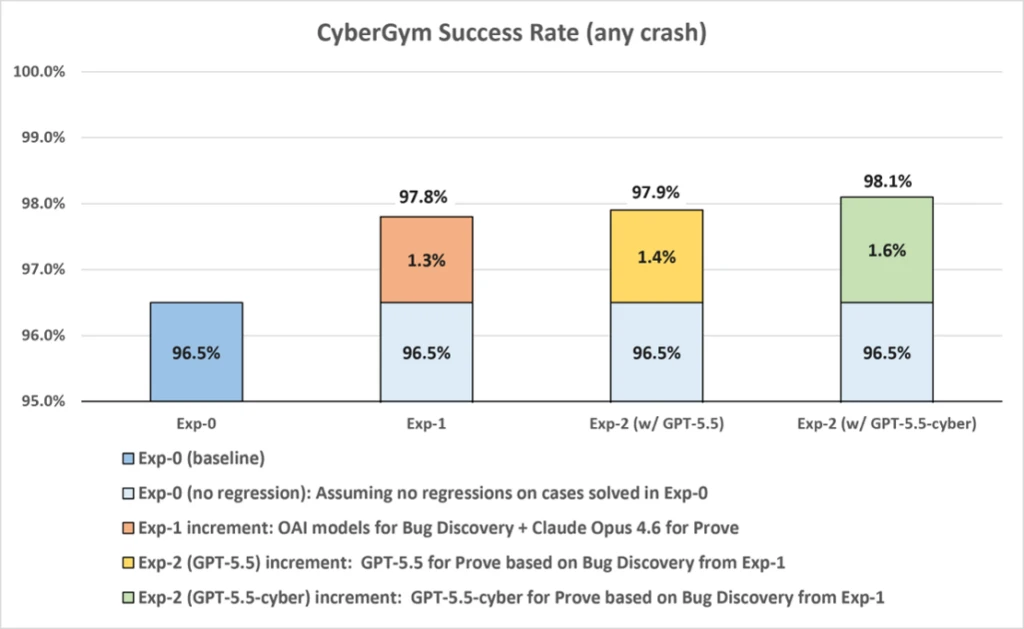
Frontier cyber tools like Mythos and presumably GPT-5.6 are capable of both identifying and exploiting software vulnerabilities at speeds no human analyst can match. LLMs have proven adept at writing malware, and some can execute entire ransomware attacks autonomously. Since many software systems contain hidden bugs that serve as entry points into enterprise networks, these models pose a significant risk to organizations running complex software infrastructure. However, since both models remain closed to the public, it is difficult to independently assess the actual threat level.
A pattern of pre-release government gating
The GPT-5.6 situation mirrors Anthropic's Claude Mythos rollout in structure: both companies are limiting access to select partners under government pressure. The difference is that Anthropic voluntarily suspended its model, while OpenAI is acting at the administration's explicit request. This creates a precedent where the White House effectively acts as a gatekeeper for frontier AI releases, approving customers on a case-by-case basis. Whether this model scales beyond two companies and two models remains an open question.

What the numbers tell us
OpenAI has raised over $40 billion in total funding and is reportedly preparing for an IPO, having filed paperwork but not yet set a date. Anthropic has raised $11.5 billion and targets a 2026 IPO at a $1 trillion-plus valuation. Both companies now face regulatory constraints that could slow revenue growth from their most capable models, potentially affecting their public market valuations. The financial stakes are enormous: if GPT-5.6 or Claude Mythos are materially less profitable due to access restrictions, the IPO narratives for both companies become harder to sell.
What to watch
Watch for the GPT-5.6 preview period length and whether the broader release actually occurs in 'a couple of weeks' as Altman stated. Also monitor Anthropic's IPO filing date and whether it discloses Mythos revenue impact. The key metric: how many customers the government approves in the first month.
Source: techcrunch.com