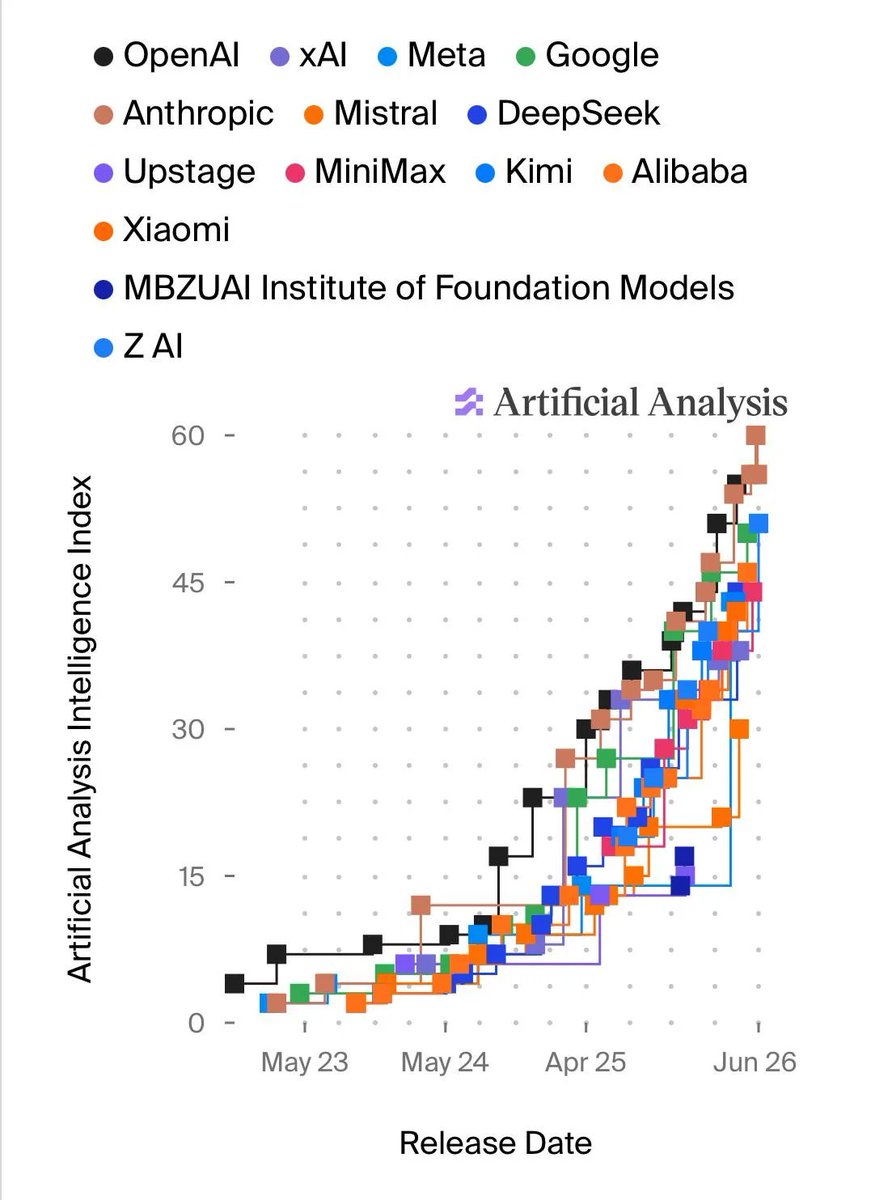
Nvidia, Meta, and Mistral signed an open letter urging US policymakers against broad restrictions on open-weight AI models. The letter, published July 24, comes as the Trump administration weighs responses to Chinese AI labs accused of model distillation.
Key facts
- Nvidia, Meta, Microsoft, Mistral, Hugging Face signed letter
- Letter opposes broad restrictions on open-weight AI models
- White House accused Moonshot AI of distilling Anthropic's Fable model
- Replit CEO: 'Banning Chinese open models is as good as banning open models'
- Letter argues distillation is a legitimate technique, not misappropriation
The open letter, signed by Hugging Face, Meta, Microsoft, Mistral, and Nvidia, warns against what it calls "premature restrictions" on open-weight AI models According to TechCrunch. The signatories do not mention China directly, but the timing aligns with reports that the White House has considered banning Chinese open-weight models and imposing sanctions on Chinese AI companies.
The administration recently accused Moonshot AI of distilling Anthropic's Fable model to train its Kimi K3 model — a claim that has amplified calls for tighter controls. The letter pushes back: "Policymakers should be careful not to conflate legitimate model-development techniques with misappropriation. Distillation... is a widely used technique for model improvement, evaluation, and validation."
Key Takeaways
- Nvidia, Meta, Mistral sign letter urging US against broad open-weight AI restrictions, arguing distillation is legitimate.
- Comes as White House weighs response to Chinese AI model distillation.
The Distillation Distinction
The letter draws a line between lawful distillation — using a model's outputs to train or improve another — and "unlawful efforts to extract value from closed models." It argues that concerns about the latter "should be addressed through targeted legal and commercial frameworks rather than sweeping restrictions."
Amjad Masad, CEO of Replit, framed the stakes bluntly: "I think banning Chinese open models is as good as banning open models in general." He noted that Thinking Machines Lab's new open model, Inkling, was trained with the help of Moonshot's Kimi 2.5. "It's an ecosystem, and the precedent [a ban would] set is bad."
Security and Defensive Capability
The letter also counters arguments that open-weight models are inherently dangerous. "The right response to this risk is not to prohibit open weights," it reads. "In a world where cybersecurity attackers use advanced AI, defenders need access to models with comparable capabilities so they can detect, simulate, and respond to emerging threats."

What to watch
Watch for any formal executive order or Commerce Department rulemaking on AI model exports in Q3 2026. The signatories' lobbying efforts may shift if the administration proposes specific thresholds — such as banning models with over 100B parameters — rather than a blanket prohibition.

Source: techcrunch.com