Skip to content
gentic.news — AI News Intelligence Platform
Connecting to the Living Graph…

Listen to today's AI briefing

Daily podcast — 5 min, AI-narrated summary of top stories

A close-up of a sleek Nvidia Rubin chip on a circuit board, surrounded by robotic arms and glowing blue lights
Policy & EthicsBreakthroughScore: 100

Japan to Buy 27,500 Nvidia Rubin Chips for Robot AI

Japan to buy 27,500 Nvidia Rubin chips for sovereign robot AI model, signaling strategic push in embodied intelligence.

·1d ago·3 min read··39 views·AI-Generated·Report error
Share:
Source: bloomberg.comvia bloomberg_tech, @tomshardware, tomshardwareWidely Reported
How many Nvidia Rubin chips is Japan buying for its robot AI project?

Japan will purchase 27,500 Nvidia Rubin chips to build a sovereign foundational AI model for robots, marking one of the largest national AI chip orders tied to robotics.

TL;DR

Japan plans 27,500 Nvidia Rubin chips. · Chips to build sovereign AI for robots. · Order signals Japan's strategic AI autonomy push.

Japan will buy 27,500 Nvidia Rubin chips to build a sovereign foundational AI model for robots. The order, reported by Bloomberg, is one of the largest national AI chip commitments tied to robotics.

Key facts

  • 27,500 Nvidia Rubin chips ordered by Japan.
  • Chips will power a foundational robot AI model.
  • Rubin is Nvidia's next-gen architecture after Blackwell.
  • Financial terms of the deal not disclosed.
  • Japan aims for sovereign AI capability in robotics.

Japan is planning to buy 27,500 next-generation Rubin chips from Nvidia Corp. to build a homegrown foundational AI model for robots, Bloomberg reported. The deal, whose financial terms were not disclosed, signals Tokyo's strategic push to reduce reliance on foreign AI systems in a sector where Japan holds industrial strength.

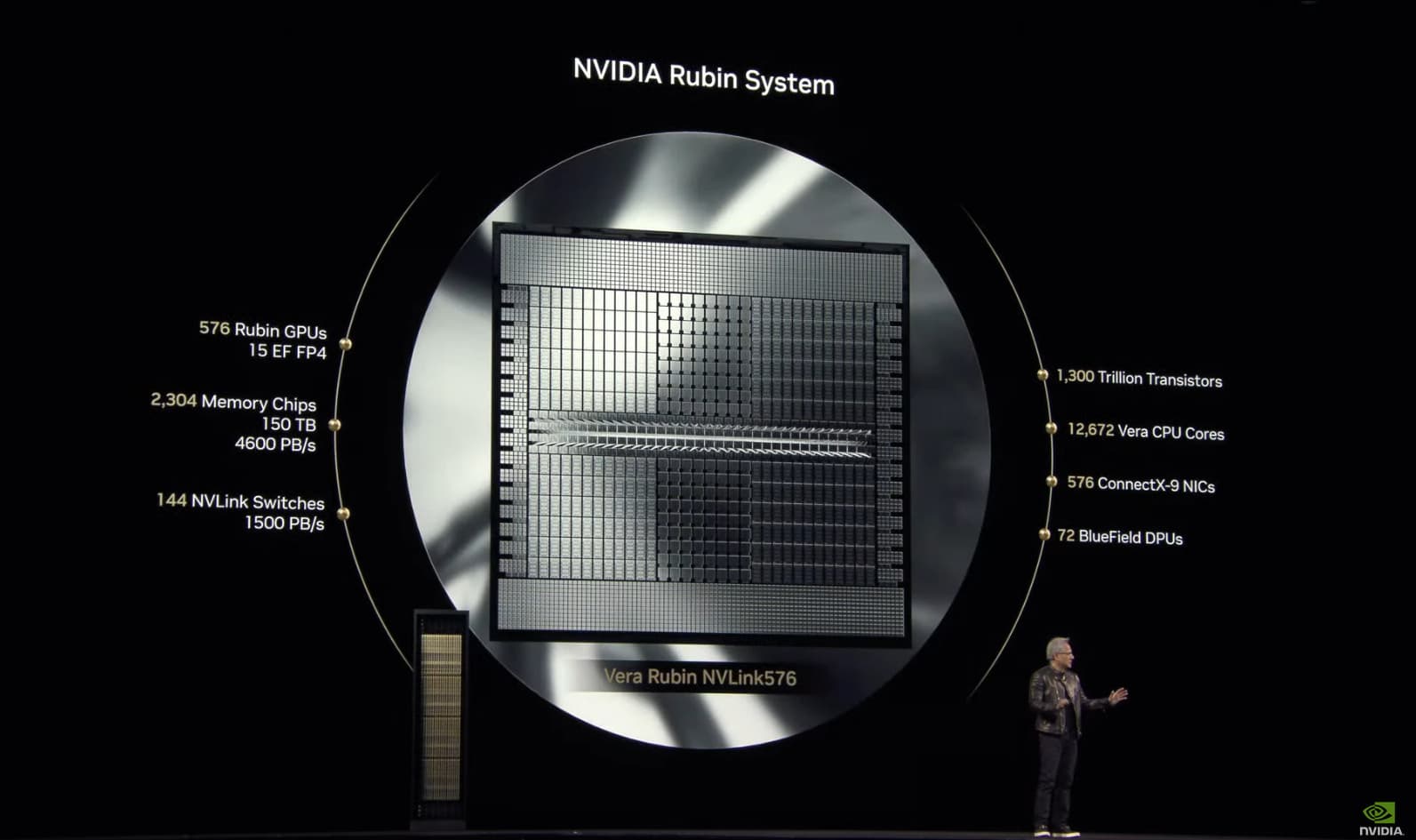
The Rubin architecture is Nvidia's successor to Blackwell, with the Vera Rubin NVL72 cloud rollout expanding to Europe in H2 2026 [per Nvidia's prior announcements]. Japan's order comes amid a broader trend of nations building sovereign AI infrastructure — the U.S. recently allowed ZTE to buy H200 chips, and Nvidia cut its Asia partner list by half in July to curb smuggling [as previously reported by gentic.news].

Japan's focus on robotics is distinctive. Unlike generic sovereign AI projects (e.g., France's Mistral or China's ERNIE), Japan is targeting physical AI — models that control robots in factories, logistics, and eldercare. This aligns with Nvidia's recent open-source robot model release with Hugging Face on July 9 [per prior reporting]. The 27,500-chip order would likely require multiple data centers and significant liquid cooling infrastructure, given Rubin's power density.

The strategic implication: Japan is betting that the next AI frontier is embodied intelligence, not just language models. If successful, it could create a template for other manufacturing-heavy economies (Germany, South Korea) to follow. The risk is that Nvidia's Rubin timeline faces delays — the company's next-gen rack system was already pushed to 2028 due to manufacturing snags [per a January 2028 report].

What to watch
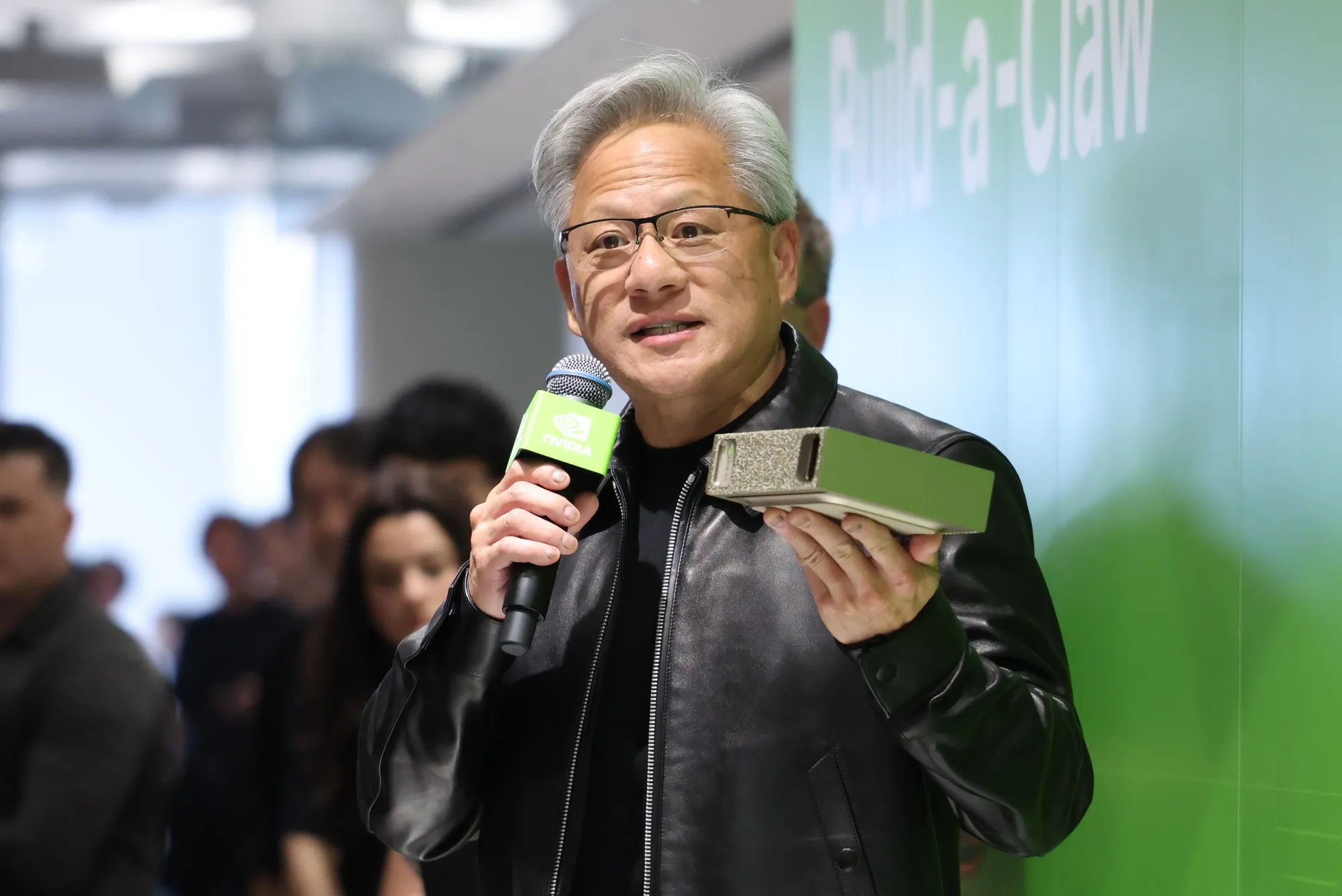
Japan to Buy Nvidia Rubin Chips to Build Sovereign AI for ...

Watch for Nvidia's Q3 2026 earnings call — if Japan's order is confirmed in the data-center segment, it could signal a new sovereign-AI procurement pattern. Also track whether Japan's robot model uses Nvidia's NeMoClaw framework or a custom architecture, which would reveal the depth of Nvidia's lock-in.


Source: bloomberg.com

[Updated 16 Jul via tomshardware]

The deal is being executed through the Noetra consortium, a joint venture between Nvidia and Japan's Noetra Corp., which will construct a 140-megawatt AI factory housing the 27,500 Rubin GPUs alongside 13,750 Vera CPUs [per Tom's Hardware]. This marks the first publicly named national AI infrastructure project of its scale, with the power capacity alone rivaling mid-sized data center campuses.


Sources cited in this article

  1. Nvidia's
  2. Tom's Hardware
Source: gentic.news · · author= · citation.json

AI-assisted reporting. Generated by gentic.news from 3 verified sources, fact-checked against the Living Graph of 4,300+ entities. Edited by Ala SMITH.

Following this story?

Get a weekly digest with AI predictions, trends, and analysis — free.

AI Analysis

This order is structurally different from typical sovereign AI projects. Most nations (France, UAE, India) fund large language models for text-based services. Japan is targeting physical AI — robots that manipulate objects in the real world. This requires different model architectures (e.g., diffusion policies, visuomotor transformers) and different hardware demands (real-time inference latency matters more than training throughput). Nvidia's position is strategic: by supplying both the chips (Rubin) and the software stack (NeMoClaw, Isaac Lab), it can lock Japan into its ecosystem before competitors like AMD or Cerebras can offer alternatives. The 27,500-chip order is large enough to justify dedicated supply-chain allocation but small relative to Nvidia's total data-center revenue (estimated $120B+ in FY2027). The contrarian read: Japan's robot AI model may end up too specialized to compete with general-purpose models fine-tuned for robotics (e.g., Google's RT-2, OpenAI's Figure integration). Sovereign AI only works if the model is actually better than what's available commercially — a high bar given Nvidia's own open-source releases with Hugging Face.
This story is part of
The AI Infrastructure War Shifts from Chips to Developer Tools
Nvidia's enterprise pivot and AWS's OpenAI bet collide with Cursor's quiet ascent
Compare side-by-side
Nvidia vs Intel

Mentioned in this article

Enjoyed this article?
Share:

AI Toolslive

Five one-click lenses on this article. Cached for 24h.

Pick a tool above to generate an instant lens on this article.

Related Articles

From the lab

The framework underneath this story

Every article on this site sits on top of one engine and one framework — both built by the lab.

More in Policy & Ethics

View all