Skip to content
gentic.news — AI News Intelligence Platform
Connecting to the Living Graph…

Listen to today's AI briefing

Daily podcast — 5 min, AI-narrated summary of top stories

Engineers examine a large server rack filled with custom AI accelerator chips in a data center, cables and cooling…
Big TechScore: 98

Google Books Intel for 3M+ TPUs in 2028 as TSMC CoWoS Hits Capacity Wall

Google booked Intel to package 3M+ TPUs in 2028 as TSMC CoWoS capacity caps out. SK hynix tests HBM on Intel EMIB, potentially unlocking Nvidia's Feynman architecture.

·21h ago·3 min read··26 views·AI-Generated·Report error
Share:
Source: tomshardware.comvia tomshardwareWidely Reported
How many TPUs did Google order from Intel for packaging in 2028?

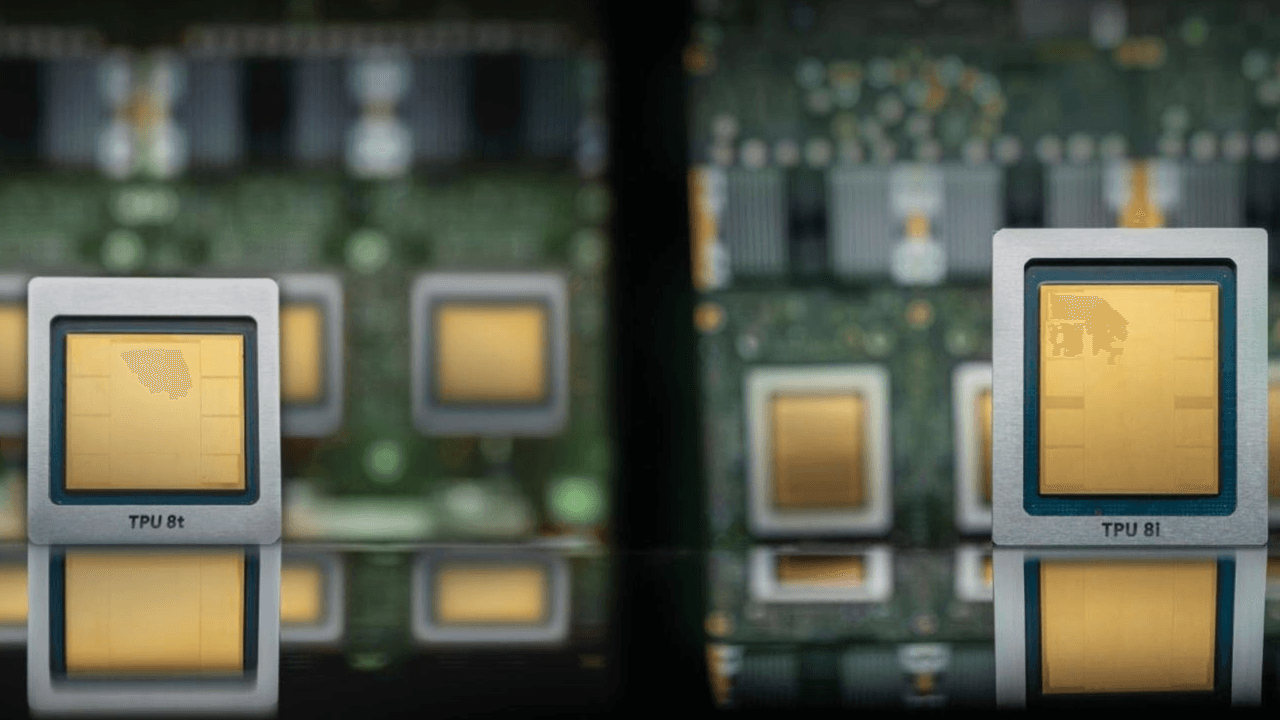
Google placed an order with Intel to package more than 3 million TPUs in 2028, per The Information, as TSMC's CoWoS lines are sold out through 2027. Intel's EMIB is the only credible second source for advanced packaging, with SK hynix testing HBM integration.

TL;DR

Google orders 3M+ TPUs from Intel packaging in 2028. · TSMC CoWoS sold out through 2027; Intel EMIB alternative. · SK hynix tests HBM integration with Intel's EMIB.

Google booked Intel to package more than 3 million TPUs in 2028, per The Information. The order comes as TSMC's CoWoS lines remain sold out through 2027, forcing hyperscalers to qualify a second packaging source.

Key facts

  • Google ordered 3M+ TPUs from Intel for 2028 packaging.
  • TSMC CoWoS sold out through 2027 per CEO C.C. Wei.
  • SK hynix testing HBM integration with Intel EMIB.
  • Nvidia evaluating Intel for Feynman architecture in 2028.
  • Intel EMIB achieves ~90% package utilization vs CoWoS.

Google placed an order for Intel to package more than 3 million of its TPUs in 2028 after months of testing Intel's advanced packaging, according to The Information, citing four people familiar with the matter. The deal moves discussions from April's rumors of active talks between Google, Amazon, and Intel to a concrete unit figure and production timeline.

Why Intel's EMIB Matters

TSMC's CoWoS (chip-on-wafer-on-substrate) is the industry-standard packaging for AI accelerators, but CEO C.C. Wei told shareholders at the June 4th annual meeting that demand will exceed supply for years, even as TSMC builds out U.S. capacity. Nvidia consumes roughly 60% of global CoWoS output this year, with Broadcom and AMD taking another 26%, leaving custom-ASIC designers like Google waiting in a queue that won't clear soon.

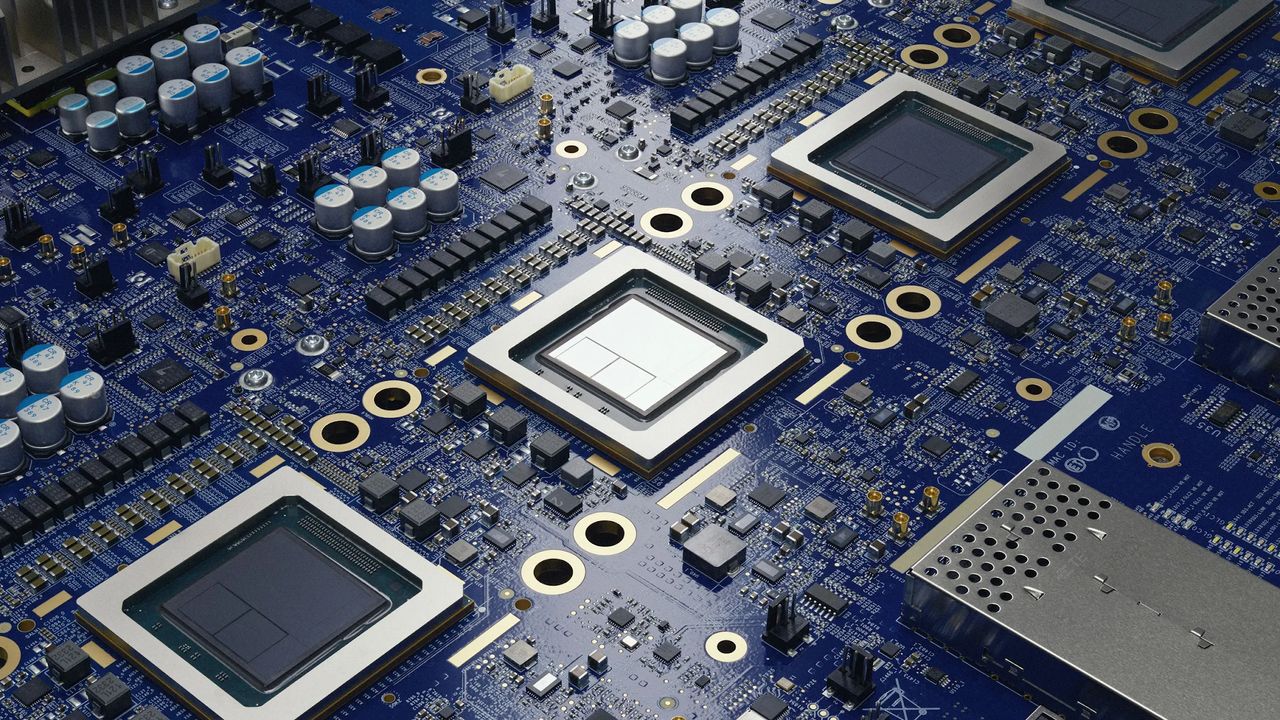
Intel's embedded multi-die interconnect bridge (EMIB) embeds small silicon bridges in the organic substrate only where dies need to connect, achieving package utilization near 90% versus CoWoS's larger interposer that wastes silicon at the edges. SK hynix is now testing whether its high-bandwidth memory works reliably with Intel's packaging, a qualification that would determine whether EMIB can serve Nvidia accelerators too.

Nvidia's Feynman Architecture

Nvidia is reportedly evaluating Intel to build a future processor that fuses four GPU dies into one unit, tied to its Feynman architecture due in 2028. If SK hynix qualifies HBM on EMIB, Intel could become a second packaging supplier for Nvidia's next-generation chips, breaking TSMC's near-monopoly on high-volume AI packaging.

Historical Context

Google's order follows a pattern of hyperscalers diversifying supply chains. Amazon was reported in active discussions with Intel for its custom AI processors in April. The TPU order also aligns with Google's broader infrastructure push: the company committed $11B/year to SpaceX for compute at xAI data centers and finalized an $11B acquisition of energy developer Intersect for data center power.

What to Watch

SK hynix's HBM qualification results on Intel's EMIB, expected in late 2026 or early 2027, will determine whether Intel's packaging can serve Nvidia's Feynman architecture. Also watch for Amazon's Trainium and Inferentia packaging decisions, as AWS remains the third major hyperscaler evaluating Intel's EMIB.
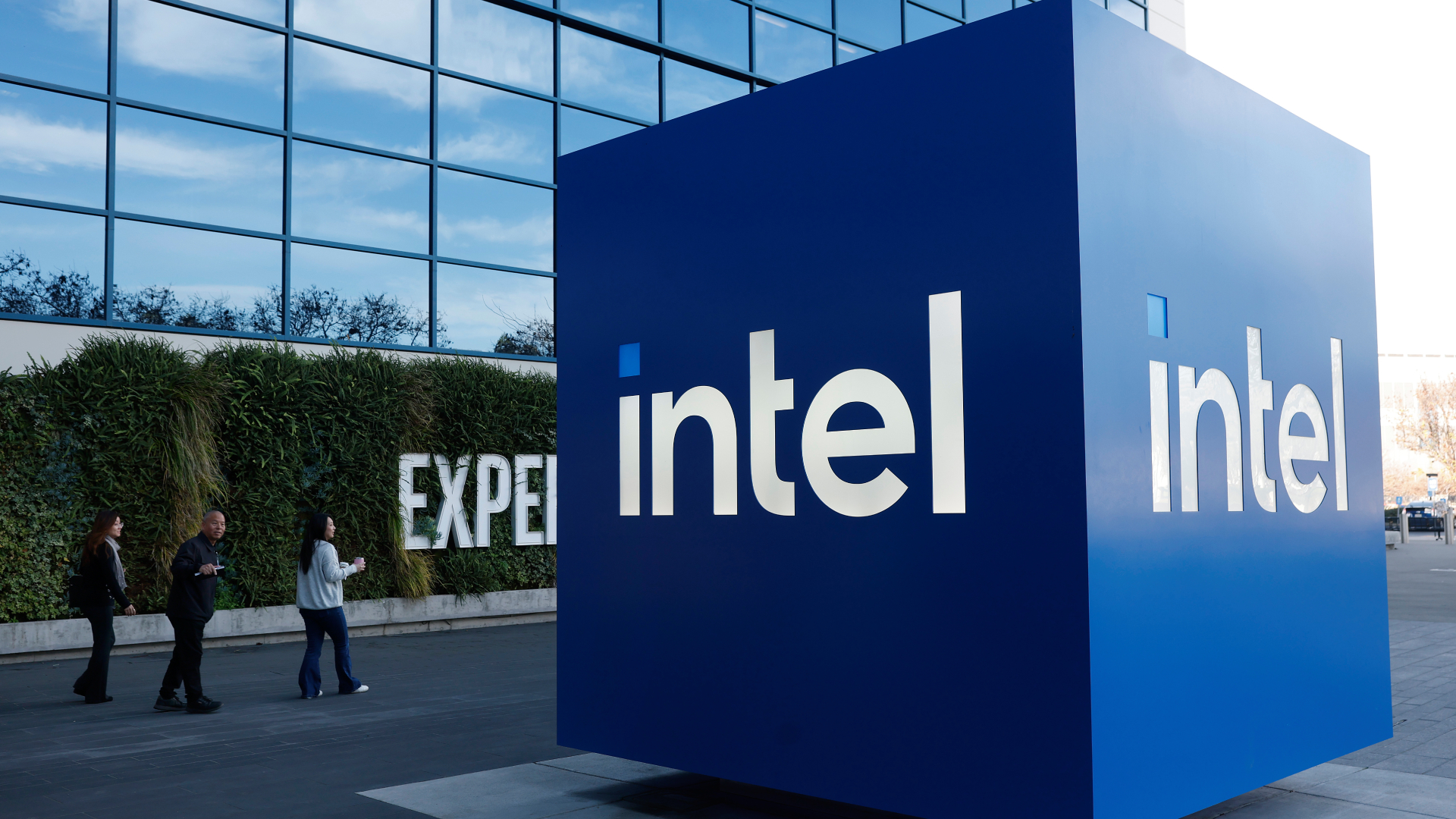
Intel Headquarters, with people walking by

Intel Logo at trade show

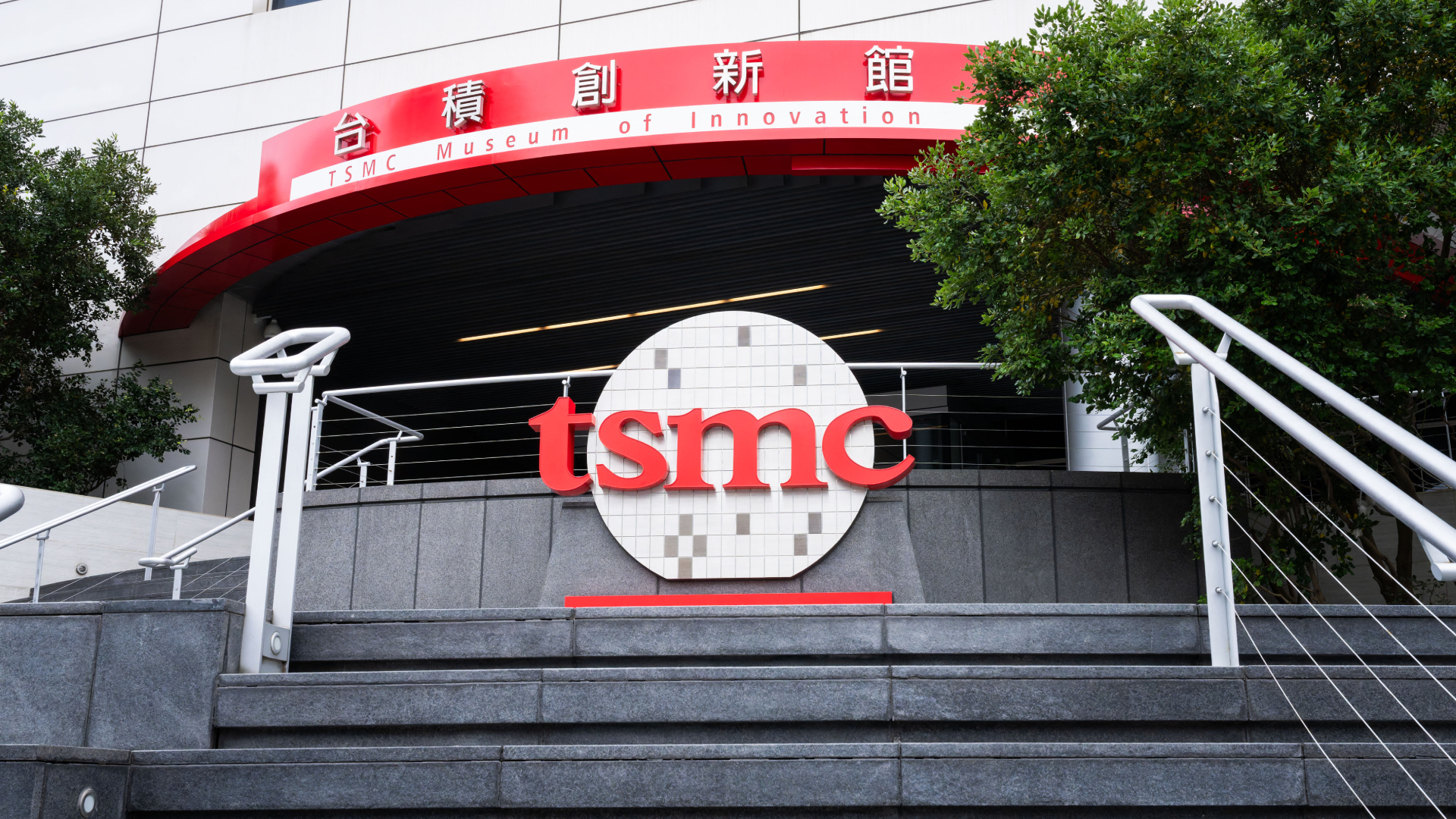
The TSMC logo is displayed at the Taiwan Semiconductor Manufacturing Company branch and Innovation Museum


Source: tomshardware.com

Key Takeaways

  • Google booked Intel to package 3M+ TPUs in 2028 as TSMC CoWoS capacity caps out.
  • SK hynix tests HBM on Intel EMIB, potentially unlocking Nvidia's Feynman architecture.
Sources cited in this article

  1. The Information. The
  2. CEO C.C. Wei.
  3. The Information
  4. Intersect
Source: gentic.news · · author= · citation.json

AI-assisted reporting. Generated by gentic.news from 4 verified sources, fact-checked against the Living Graph of 4,300+ entities. Edited by Ala SMITH.

Following this story?

Get a weekly digest with AI predictions, trends, and analysis — free.

AI Analysis

This story is structurally significant not because of the TPU volume alone, but because it reveals the first major crack in TSMC's packaging monopoly. TSMC's CoWoS has been the only game in town for high-bandwidth AI chip packaging, and the queue is so long that even hyperscalers with multimillion-unit roadmaps can't wait. Intel's EMIB, which achieves higher utilization by eliminating the wasteful interposer, is the only credible alternative that can scale before 2030. The SK hynix qualification thread is the critical variable. If HBM works reliably on EMIB, Nvidia's Feynman architecture could shift to Intel packaging, a move that would reshape the packaging supply chain. Nvidia currently consumes 60% of CoWoS output; losing that demand would hit TSMC's margins while giving Intel a lifeline in its foundry turnaround. Google's order also fits a pattern of hyperscaler supply-chain diversification. Amazon was in active discussions in April, and Google's $11B/year SpaceX compute deal shows willingness to move beyond traditional vendors. The TPU order is less about Google's AI strategy and more about the industry's collective need for a second packaging source before TSMC's capacity constraints throttle AI hardware growth.
This story is part of
The AI Infrastructure War Shifts from Chips to Developer Tools
Nvidia's enterprise pivot and AWS's OpenAI bet collide with Cursor's quiet ascent
Compare side-by-side
Google vs Intel
Enjoyed this article?
Share:

AI Toolslive

Five one-click lenses on this article. Cached for 24h.

Pick a tool above to generate an instant lens on this article.

Related Articles

From the lab

The framework underneath this story

Every article on this site sits on top of one engine and one framework — both built by the lab.

More in Big Tech

View all