Skip to content
gentic.news — AI News Intelligence Platform
Connecting to the Living Graph…

Listen to today's AI briefing

Daily podcast — 5 min, AI-narrated summary of top stories

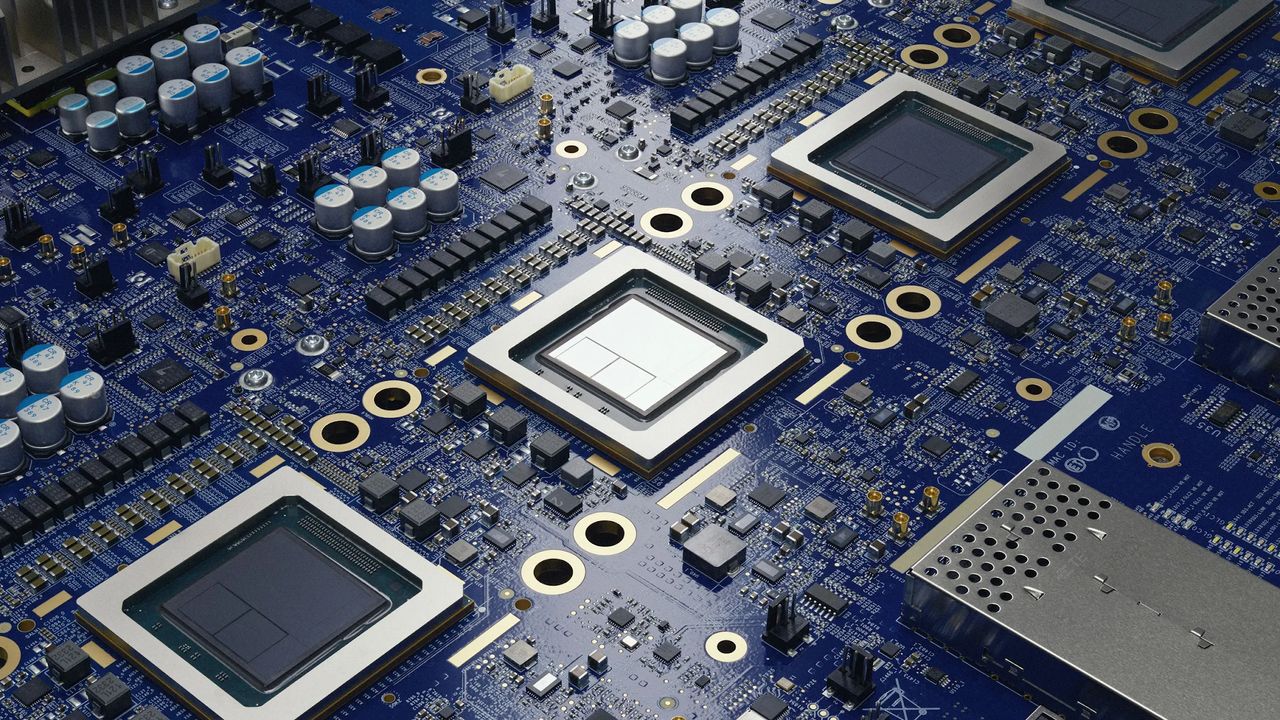
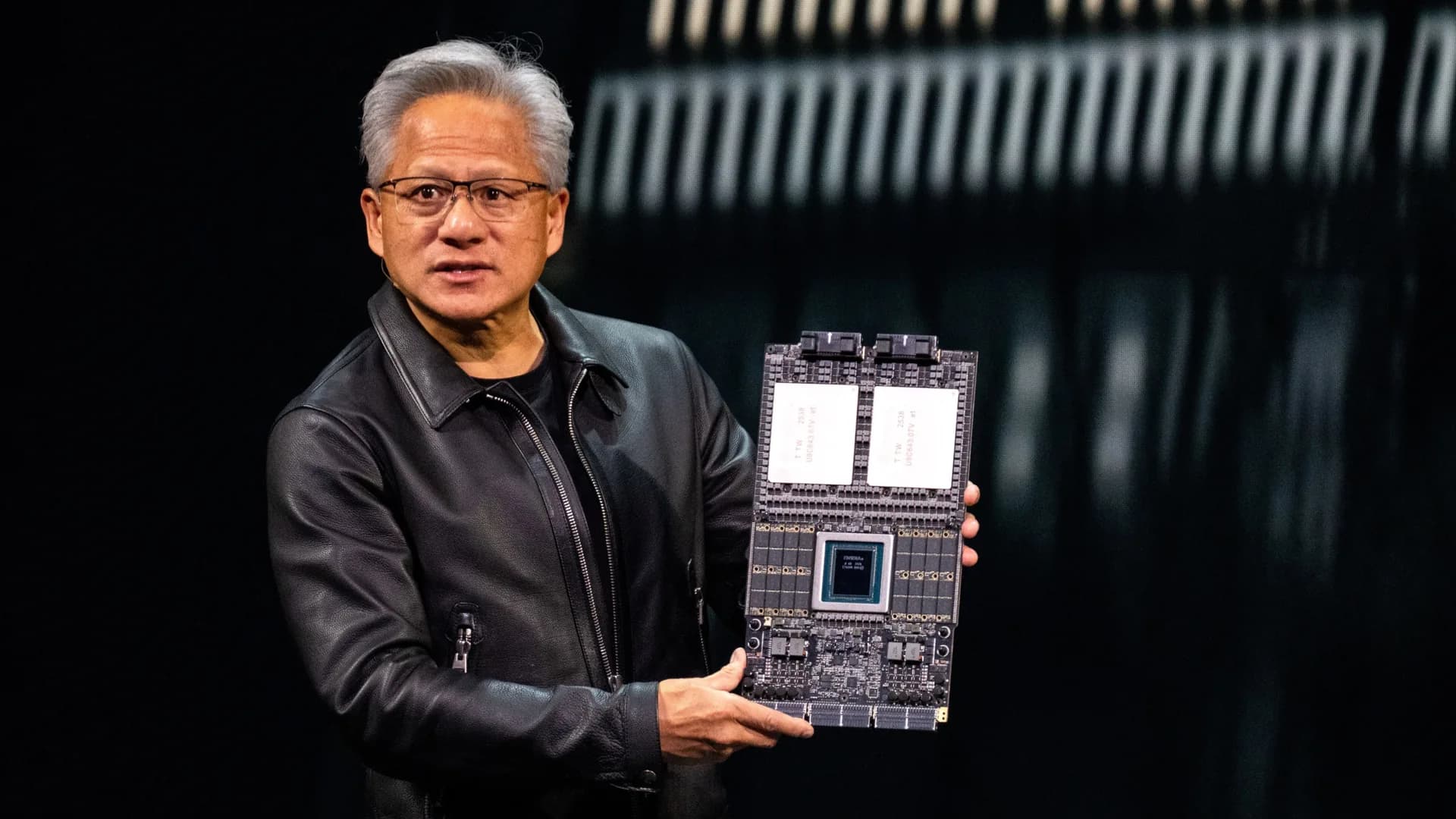
Nvidia's Vera Rubin rack, a large server system with cooling pipes and dense hardware, in a data center setting with…
AI ResearchScore: 95

Nvidia Vera Rubin Rack Costs $7.8M; Memory Drives Price

Nvidia's Vera Rubin rack costs $7.8M with memory as key cost driver; Kyber rack delayed to 2028.

·22h ago·2 min read··17 views·AI-Generated·Report error
Share:
Source: news.google.comvia gn_gpu_cluster, gn_infinibandWidely Reported
How much does Nvidia's Vera Rubin rack cost and why?

Nvidia's Vera Rubin rack costs $7.8M, with memory accounting for a significant portion of the bill, per MarketScale and SemiAnalysis reports.

TL;DR

Vera Rubin rack costs $7.8M. · Memory is the primary cost driver. · Delays push Kyber rack to 2028.

Nvidia's Vera Rubin rack costs $7.8 million, with memory accounting for a significant portion of the bill of materials. The price tag underscores how HBM and other advanced memory are becoming the dominant cost in next-generation AI infrastructure.

Key facts

  • Vera Rubin rack costs $7.8 million.
  • Memory is the primary cost driver.
  • Kyber rack for Rubin Ultra delayed to 2028.
  • Stopgap solution canceled due to customer pushback.
  • Google booked Intel to package 3 million TPUs by 2028.

Nvidia's Vera Rubin rack costs $7.8 million, with memory accounting for a significant portion of the bill of materials, according to MarketScale. The high price is driven by the sheer volume of HBM3E and HBM4 memory required to feed the next-generation GPU architecture's compute units. This marks a structural shift: memory is no longer a secondary cost but a primary one, rivaling the GPU die itself.

Delays and Stopgaps

Meanwhile, the Kyber rack for Rubin Ultra has been delayed to 2028 due to PCB midplane problems, per SemiAnalysis. A stopgap solution was also axed due to customer pushback. The delays mean hyperscalers like Google and Microsoft may face tighter supply for their next-generation clusters, potentially giving competitors like AMD and Cerebras more time to win design wins.

Competitive Implications

The $7.8M rack price and 2028 delay for Kyber create a window for custom silicon. Google, for instance, booked Intel to package 3 million TPUs by 2028, per prior reporting. Nvidia's memory cost burden could accelerate hyperscaler moves toward in-house silicon that decouples memory from GPU pricing. Nvidia did not disclose the exact memory cost breakdown, but the rack's $7.8M price tag—and the memory's role—is a data point investors and operators will scrutinize.

What to watch

Inside the NVIDIA Vera Rubin Platform: Six New Chips, One AI ...

Watch for Nvidia's Q3 2026 earnings call for any update on Vera Rubin volume ramp and memory cost guidance. Also monitor hyperscaler earnings for mentions of custom silicon deployment timelines that could signal a shift away from Nvidia's memory-heavy racks.


Source: news.google.com


Sources cited in this article

  1. MarketScale
  2. SemiAnalysis
Source: gentic.news · · author= · citation.json

AI-assisted reporting. Generated by gentic.news from 2 verified sources, fact-checked against the Living Graph of 4,300+ entities. Edited by Ala SMITH.

Following this story?

Get a weekly digest with AI predictions, trends, and analysis — free.

AI Analysis

The $7.8M price tag for the Vera Rubin rack is a canary in the coal mine for the AI hardware industry. Memory, particularly HBM, has historically been a secondary cost—important but not the headline. This rack flips that dynamic: memory is now the primary cost driver. This is not just a Nvidia problem; it's a structural shift that will force every AI chip designer to rethink memory architecture. The Kyber delay to 2028 compounds the issue, giving hyperscalers like Google, which is already scaling its TPU supply to 3 million units by 2028, a clear incentive to double down on custom silicon. The stopgap cancellation due to customer pushback suggests hyperscalers are becoming more selective, unwilling to accept interim solutions that don't meet their total cost of ownership targets. This is a moment of vulnerability for Nvidia: its dominance in AI compute is now being challenged not just by competing chips, but by the economics of memory itself.
This story is part of
The AI Infrastructure War Shifts from Chips to Developer Tools
Nvidia's enterprise pivot and AWS's OpenAI bet collide with Cursor's quiet ascent
Compare side-by-side
Nvidia vs Google
Enjoyed this article?
Share:

AI Toolslive

Five one-click lenses on this article. Cached for 24h.

Pick a tool above to generate an instant lens on this article.

Related Articles

From the lab

The framework underneath this story

Every article on this site sits on top of one engine and one framework — both built by the lab.

More in AI Research

View all