Nvidia CEO Jensen Huang pledged to deliver 'giant amounts' of Vera Rubin chips. Huang asserted that 'our roadmap is intact' despite the Blackwell delays [per Tom's Hardware].
Key facts
- Nvidia CEO Jensen Huang pledged 'giant amounts' of Vera Rubin chips.
- Nvidia's next-gen AI rack system delayed to 2028.
- Japan building $2B+ Rubin AI factory.
- Japan committed to buying 27,500 Rubin chips.
- Google broke TSMC monopoly with Intel EMIB-T for TPUs.
Nvidia is doubling down on its next-generation Vera Rubin platform as a salve for Blackwell's manufacturing woes. According to Tom's Hardware, Huang's public vow comes as Nvidia's next-gen AI rack system was delayed to 2028 due to manufacturing snags, a setback that has rattled hyperscaler procurement timelines. The Vera Rubin platform, featuring new chips and liquid-cooled designs, is positioned as Nvidia's answer to scaling compute for scientific and data center workloads.
Key Takeaways
- Nvidia CEO Huang pledges 'giant amounts' of Vera Rubin chips, asserting roadmap intact amid Blackwell delays.
- Japan's $2B+ Rubin factory anchors real demand.
The Blackwell Hangover

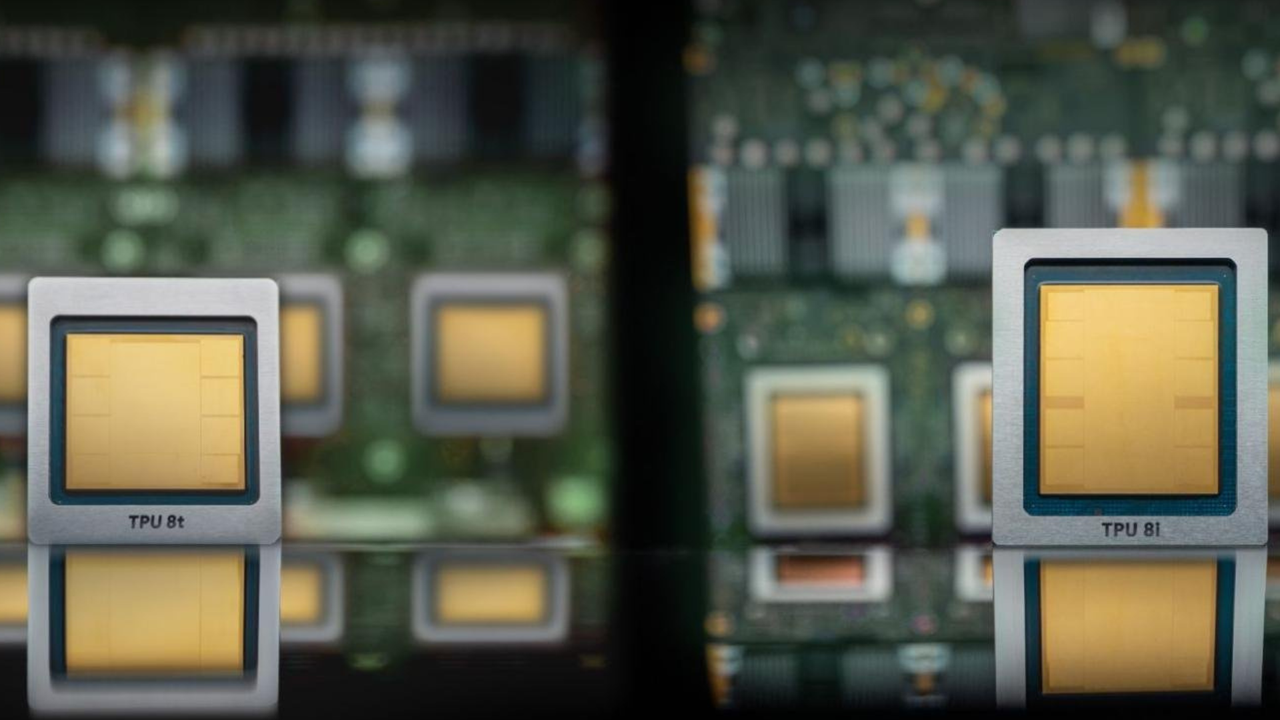
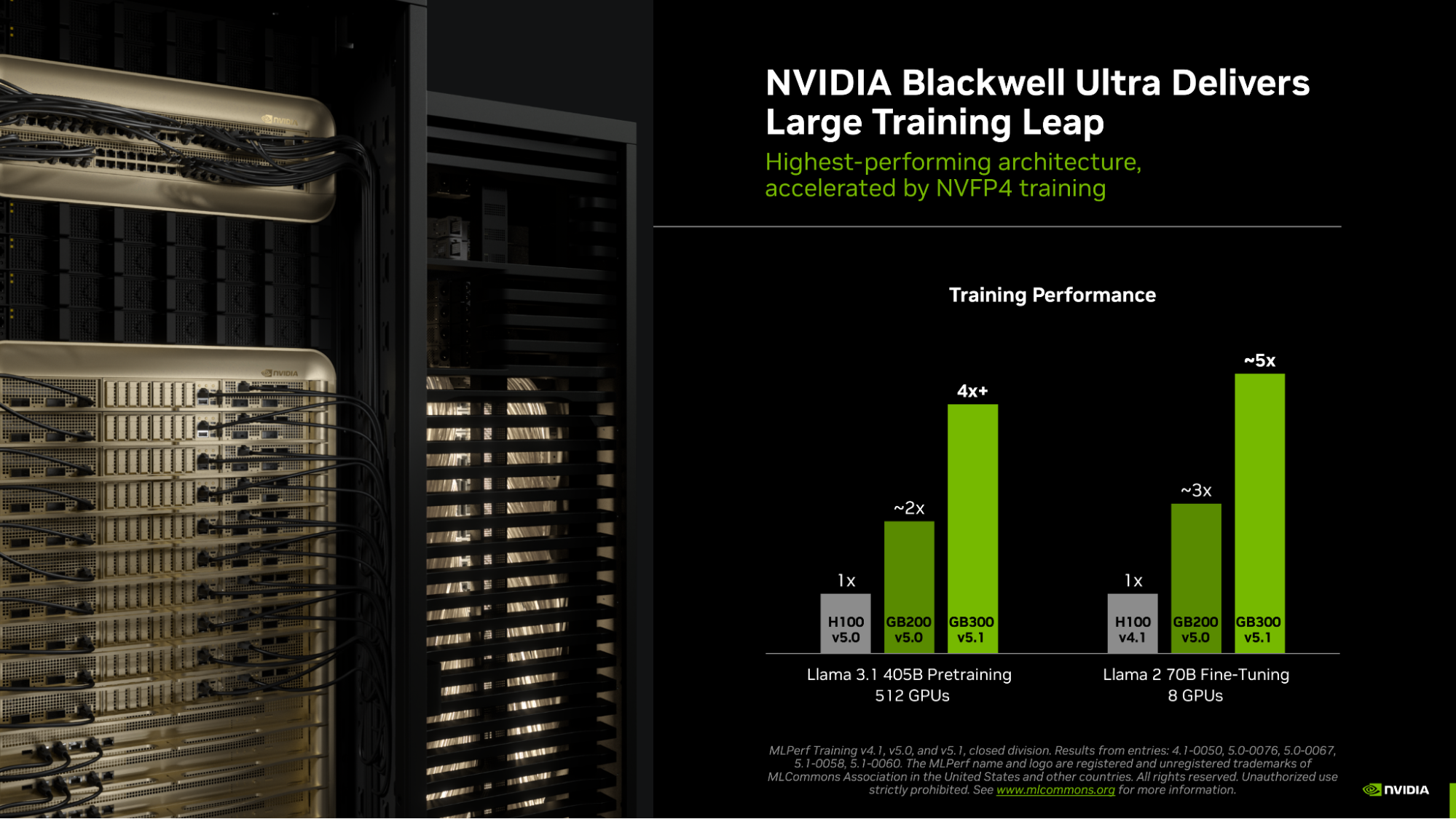
The Blackwell delay, first reported in early 2028, created a vacuum that competitors like AMD and Cerebras Systems have tried to exploit. Nvidia's response is to accelerate Vera Rubin messaging rather than patch Blackwell. Huang's language—'giant amounts'—signals aggressive volume commitments, a tactic Nvidia has used before to reassure hyperscalers like Google Cloud, which operates its own TPU roadmap. Notably, Google chose Intel EMIB-T for 9th-gen TPU packaging in July 2026, breaking TSMC's CoWoS monopoly—a move that indirectly pressures Nvidia's supply chain leverage.
Vera Rubin's Concrete Traction
Vera Rubin is not just a slide deck. Japan is building a $2B+ Rubin AI factory and has committed to buying 27,500 Rubin chips for its national robotics push, as previously reported. Those orders predate Huang's latest pledge, but they anchor the platform's real-world demand. Nvidia's roadmap intact claim will be tested by whether it can meet those delivery windows—the company has not disclosed volume targets or delivery dates for Vera Rubin beyond the 2028 window.
Unique Take: The Pivot Play

The AP wire would write this as 'Nvidia reassures investors.' The structural story is different: Nvidia is using Vera Rubin as a generational bridge to skip past Blackwell's problems rather than fix them. By hyping a platform that isn't shipping yet, Nvidia buys time to resolve Blackwell's manufacturing snags—but it also risks a credibility gap if Vera Rubin hits its own delays. The pattern echoes the H100-to-Blackwell transition, where Nvidia managed supply constraints through aggressive forward marketing. The difference this time: hyperscalers like Google and Microsoft have more in-house silicon options, and the $1.2T cloud capex cycle (per Morgan Stanley) leaves less room for schedule slippage.
What to watch
Watch for Nvidia's Q3 2026 earnings call for Vera Rubin volume guidance and delivery timelines. Also monitor Japan's Rubin AI factory construction milestones—any schedule slip would signal supply chain strain.
Source: news.google.com