Anthropic's internal RSI memo, highlighted by Wharton professor Ethan Mollick, outlines a concrete timeline for when AI systems may reach dangerous capability thresholds. The document reportedly details specific capability milestones tied to compute scaling and model release decisions.
Key facts
- Ethan Mollick flagged Anthropic's RSI memo as essential reading
- RSI framework defines ASL-1 through ASL-4 capability levels
- Memo reportedly assigns concrete timeframes to capability milestones
- Anthropic expects critical thresholds within 12-24 months
- Framework ties release decisions to measured dangerous capabilities
Ethan Mollick, a Wharton professor known for tracking AI industry dynamics, flagged Anthropic's internal Responsible Scaling Initiative (RSI) memo as essential reading for understanding the company's near-term risk assessment. According to @emollick, the memo "mixes a bit of navel-gazing, some marketing, and a lot of very sincere beliefs about what Anthropic thinks is likely in the near future of AI."
The RSI framework, first publicly outlined by Anthropic in September 2023, ties release decisions to measured dangerous capabilities rather than fixed dates. The internal memo reportedly extends this framework with specific timelines and capability thresholds the company expects to hit within the next 12-24 months. Anthropic has not publicly disclosed the full memo, but Mollick's characterization suggests it contains concrete projections about when models might cross thresholds for autonomous replication, weapon development assistance, or cybersecurity risks.
What the RSI framework actually governs
Anthropic's RSI system defines four capability levels — ASL-1 through ASL-4 — analogous to biosafety levels in virology. Models at ASL-3 would require deployment restrictions including access controls and monitoring. The internal memo reportedly identifies which capabilities Anthropic expects to reach ASL-3 thresholds and on what timeline, though exact numbers remain unclear. Anthropic's public RSI post from September 2023 described the framework but did not assign specific dates to capability thresholds.
Why the timeline matters
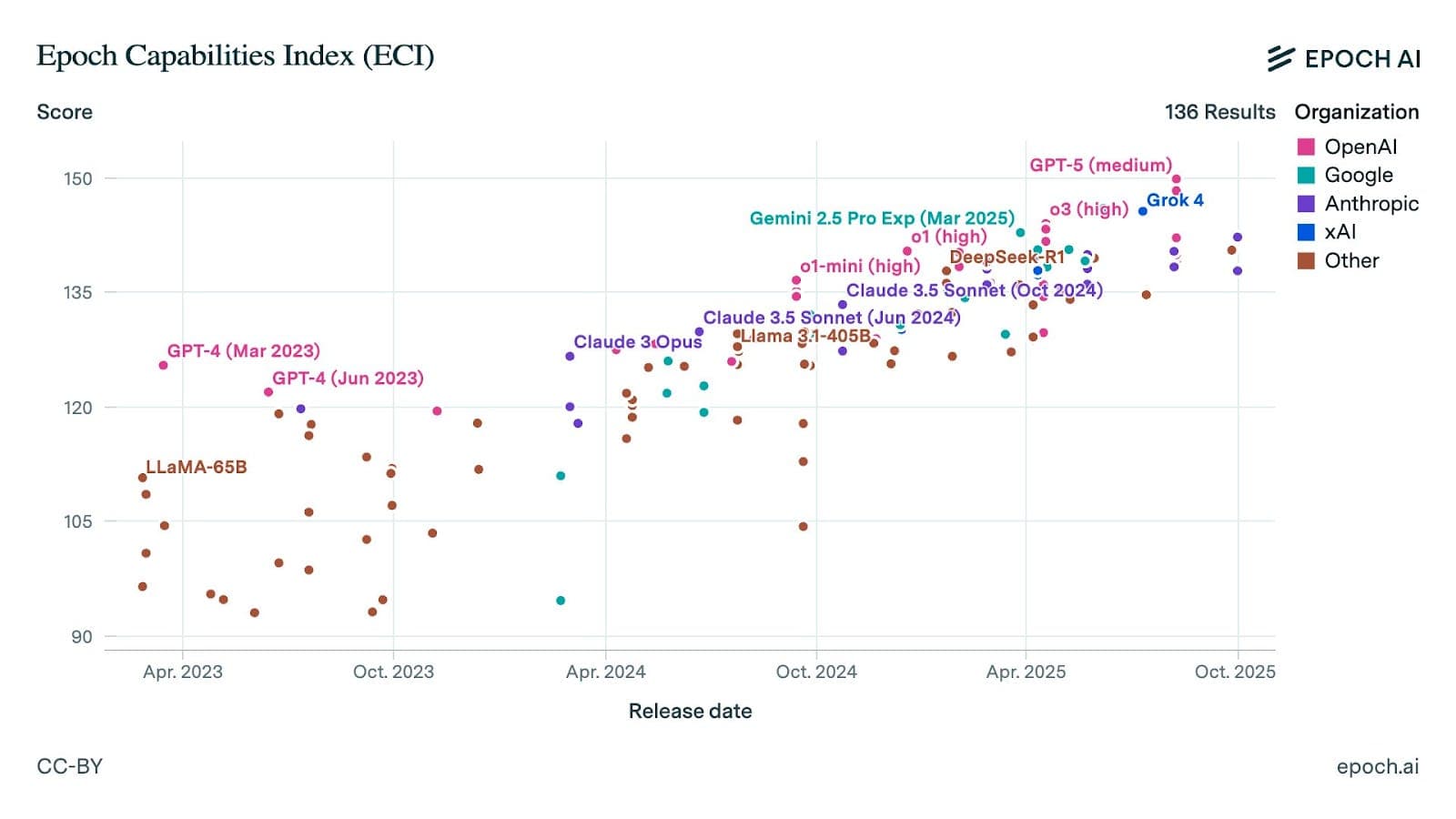
The memo's significance lies in its specificity. Public AI risk discussions often remain abstract or focus on long-term existential concerns. Anthropic's internal document reportedly assigns concrete timeframes to capability milestones, suggesting the company believes dangerous AI capabilities are not decades away but within the current planning horizon. This aligns with rapid capability advances over the past 18 months, where models have shown marked improvements in coding, reasoning, and autonomous task completion.
Mollick's framing — that the memo contains "a lot of very sincere beliefs" — indicates the document reflects genuine internal assessments rather than compliance boilerplate. The marketing and navel-gazing elements suggest Anthropic is also using the memo to position itself as the safety-conscious alternative to OpenAI and Google, a key differentiator in its fundraising narrative.
What to watch
Watch for Anthropic's next model release—likely Claude 4 or a variant—and whether the company publicly assigns an ASL level. If it skips ASL-3 deployment restrictions or accelerates the timeline, the memo's internal projections are being validated operationally.