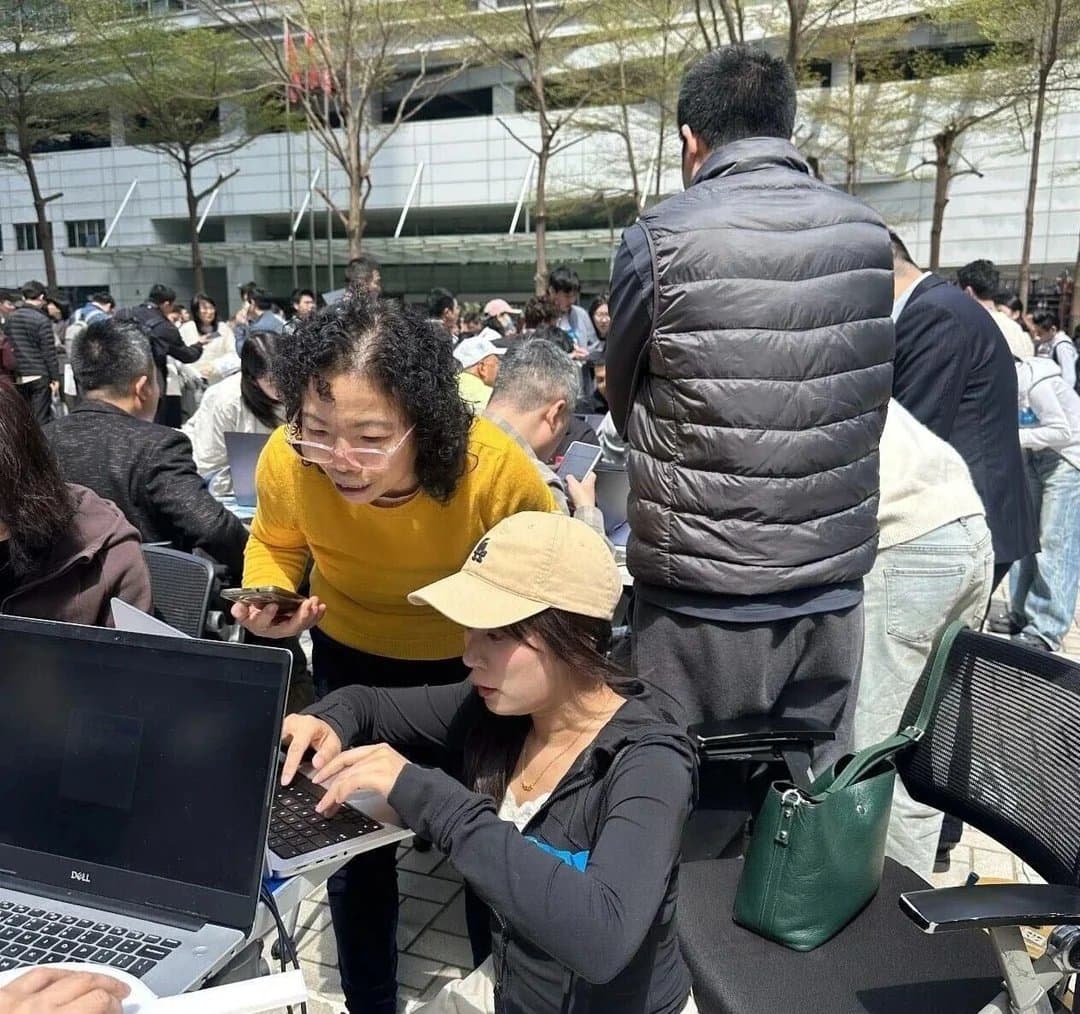
In a striking display of China's accelerating technology adoption, a remarkable public event unfolded outside the Tencent Building in Shenzhen this week. According to reports from developer Rohan Paul and subsequent discussion on Reddit, developers from major Chinese technology companies organized a free public installation event for OpenClaw—an event that drew what observers described as "a ridiculous amount of people" eager to get the AI system running on their personal devices.
The Shenzhen Installation Phenomenon
The event, organized by developers working at China's big tech companies, took place in what might be considered the heart of China's technology ecosystem—directly outside Tencent's headquarters in Shenzhen. Unlike typical corporate-led technology rollouts, this appeared to be a grassroots initiative where tech professionals volunteered their time to help regular citizens navigate the installation process for OpenClaw.
What made this event particularly noteworthy was its scale and spontaneity. The gathering wasn't a carefully managed corporate launch event with limited invitations, but rather an open, public installation clinic that attracted substantial crowds. This format suggests a different model of technology adoption—one driven by community engagement and peer-to-peer knowledge sharing rather than top-down corporate marketing.
Understanding OpenClaw's Appeal
While the source material doesn't provide extensive technical details about OpenClaw itself, the massive public interest suggests several important characteristics. First, the system appears to be accessible enough that ordinary users believe they can benefit from installing it on their personal devices. Second, the need for installation assistance indicates that while the technology is desirable, it may still present technical barriers that require expert guidance to overcome.
The location outside Tencent's headquarters is particularly symbolic. Tencent, as one of China's technology giants, represents the established corporate technology ecosystem. The fact that developers from similar companies chose to organize this independent, public-facing event suggests a fascinating dynamic between corporate employment and community technology advocacy within China's tech sector.
China's Distinct Technology Adoption Pattern
This event provides a concrete example of what observers have noted about China's technology landscape: adoption happens at "breakneck pace" and often at scales that surprise outside observers. The Shenzhen installation event demonstrates several distinctive features of China's tech adoption model:
1. Community-Driven Implementation: Rather than waiting for official rollouts or corporate training programs, tech-savvy community members are taking initiative to spread new technologies.
2. Physical Gathering for Digital Technology: In an age of online tutorials and remote assistance, the decision to organize a physical gathering suggests that hands-on, in-person guidance remains valuable for complex installations.
3. Cross-Company Collaboration: Developers from multiple "big tech companies" collaborating on a public event indicates professional networks that extend beyond corporate boundaries.
4. Public Enthusiasm: The substantial turnout suggests genuine public excitement about AI technologies that goes beyond early adopters to include broader segments of the population.
Implications for Global AI Development
The Shenzhen event offers important insights into how AI technologies diffuse through different societies. While Western technology adoption often follows more formalized channels—app store downloads, corporate IT deployments, or online learning platforms—China appears to be developing alternative pathways that leverage community organization and peer-to-peer knowledge transfer.
This approach could accelerate adoption rates by lowering barriers through direct human assistance while simultaneously building community around new technologies. The event also suggests that in China's competitive technology landscape, developers see value in establishing their expertise and building public goodwill through community service.
The Broader Context of China's Tech Ecosystem
Shenzhen has long been known as China's technology innovation hub, sometimes called "China's Silicon Valley." The city has cultivated an ecosystem that encourages rapid experimentation and adoption of new technologies. Events like the OpenClaw installation gathering emerge from this unique environment where technology professionals, enthusiastic amateurs, and curious citizens interact more freely than in more structured technology markets.
This incident also reflects China's particular approach to technological development—one that combines massive scale with rapid iteration. When developers observe substantial public interest in a technology like OpenClaw, they can quickly organize responsive events to meet that demand, creating a feedback loop that further accelerates adoption.
Looking Forward: Community-Led Tech Diffusion
The Shenzhen installation event may represent an emerging model for technology adoption in increasingly complex AI ecosystems. As AI systems become more powerful but also more challenging to install and configure properly, community-led installation events could become important bridges between cutting-edge technology and mainstream users.
This approach addresses several challenges simultaneously: it provides personalized technical support, builds community around specific technologies, creates networking opportunities for developers, and generates real-world feedback about installation pain points. For technology companies, observing such organic community events provides valuable data about user interest and adoption barriers.
Source: Reports from developer Rohan Paul and subsequent discussion on Reddit's r/moltiverse community.