OpenClaw Enables Natural Language Control for Drones and Humanoid Robots via Open-Source Framework

OpenClaw Enables Natural Language Control for Drones and Humanoid Robots via Open-Source Framework

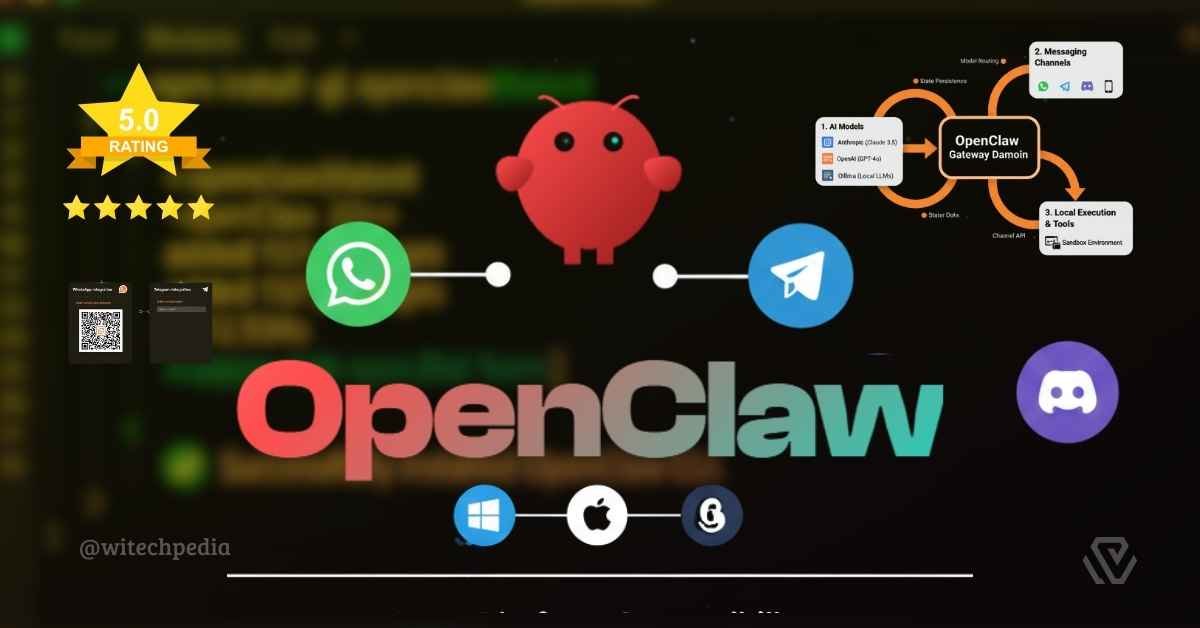
OpenClaw, an open-source framework, now allows developers to control drones and humanoid robots using natural language commands. The system integrates with physical sensors like cameras and lidar to build multi-agent systems.

1d ago·2 min read·10 views·via @rohanpaul_ai·via @rohanpaul_ai
Share:

What Happened

OpenClaw, a software framework for robotics, has been extended to enable natural language control of drones and humanoid robots. According to a tweet from AI researcher Rohan Paul, the framework is now "completely opensourced" on GitHub.

The project description states that OpenClaw allows developers to "control humanoids, drones in natural language and build multi-agent systems that works with physical input (cameras, lidar, actuators)." This suggests the system can process sensor data from robotic platforms and translate natural language commands into actionable control signals.

Context

Natural language interfaces for robotics represent a significant challenge in AI research, requiring systems to understand ambiguous human instructions and translate them into precise, safe physical actions. Most existing solutions are proprietary or limited to specific robot platforms.

OpenClaw appears to be positioning itself as a general-purpose, open-source alternative that can work across different robotic form factors (humanoids and drones) while supporting multi-agent coordination. The mention of physical inputs suggests the system handles sensor fusion from cameras and lidar, which are critical for real-world robotic operation.

What's Available

  • Open-source codebase: The complete framework is available on GitHub
  • Multi-platform support: Works with both drones and humanoid robots
  • Natural language interface: Accepts commands in everyday language
  • Sensor integration: Processes input from cameras, lidar, and actuators
  • Multi-agent capabilities: Supports coordination between multiple robots

Without access to the GitHub repository or technical documentation, the exact implementation details, supported hardware platforms, and performance characteristics remain unclear. The announcement suggests a working system rather than a research prototype, but independent verification of capabilities would be necessary.

AI Analysis

The OpenClaw announcement represents a practical step toward democratizing robotics programming. By providing an open-source framework that translates natural language to robot actions, the project could significantly lower the barrier to entry for robotics development. The key technical challenge here isn't just language understanding—it's creating reliable mappings between linguistic concepts and physical actions that work across different robot morphologies and environments. What's particularly interesting is the claim of multi-agent support with physical sensor integration. If OpenClaw can coordinate multiple robots (drones and humanoids) using shared sensor data, it's tackling one of the harder problems in robotics: distributed perception and action. However, the tweet provides no details about how this coordination works, what communication protocols are used, or how the system handles latency and synchronization issues. Practitioners should approach this announcement with cautious optimism. The robotics field has seen many 'natural language for robots' projects that work well in constrained demos but fail in real-world deployment. The critical questions are: What's the failure rate of command interpretation? How does the system handle ambiguous instructions? What safety mechanisms are in place? Without published benchmarks or peer-reviewed evaluation, it's impossible to assess OpenClaw's actual capabilities versus marketing claims.
Original sourcex.com

Trending Now

More in Products & Launches

View all