What Happened

OpenAI is shifting its cloud strategy by moving away from the exclusive arrangement with Microsoft, according to a report from The Information. The move opens the door for potential partnerships with Amazon Web Services (AWS) and Google Cloud Platform (GCP), marking a significant strategic pivot for the AI leader.
The exclusive deal, which has been a cornerstone of the OpenAI-Microsoft relationship since 2019, gave Microsoft unique access to OpenAI's models for its Azure cloud platform and products like Copilot. In return, Microsoft provided critical compute infrastructure and invested over $13 billion into the organization.
What This Means
This is not an immediate breakup but a diversification of infrastructure providers. OpenAI will likely maintain a strong relationship with Microsoft while adding AWS and GCP as additional compute and distribution partners. The move addresses two key challenges:
Compute capacity crunch: Training and serving models like GPT-4 and GPT-4o requires massive GPU clusters. Adding AWS and GCP gives OpenAI access to more NVIDIA H100 and upcoming Blackwell B200 GPUs, easing bottlenecks.
Strategic independence: Relying on a single cloud provider creates vendor lock-in. By multi-homing, OpenAI gains negotiating leverage and reduces risk if Microsoft's priorities shift.
Context: The Microsoft-OpenAI Relationship
The relationship between OpenAI and Microsoft has been complex. Microsoft invested $1 billion in 2019, followed by additional rounds totaling over $13 billion. In return, Microsoft gained exclusive rights to commercialize OpenAI's models through Azure and its products.
However, tensions have emerged:
- Microsoft's own AI models (Phi series, MAI-1) compete with OpenAI's offerings
- OpenAI's push into enterprise sales directly competes with Microsoft's Copilot products
- The FTC and EU have investigated the partnership for potential antitrust concerns
What This Means in Practice
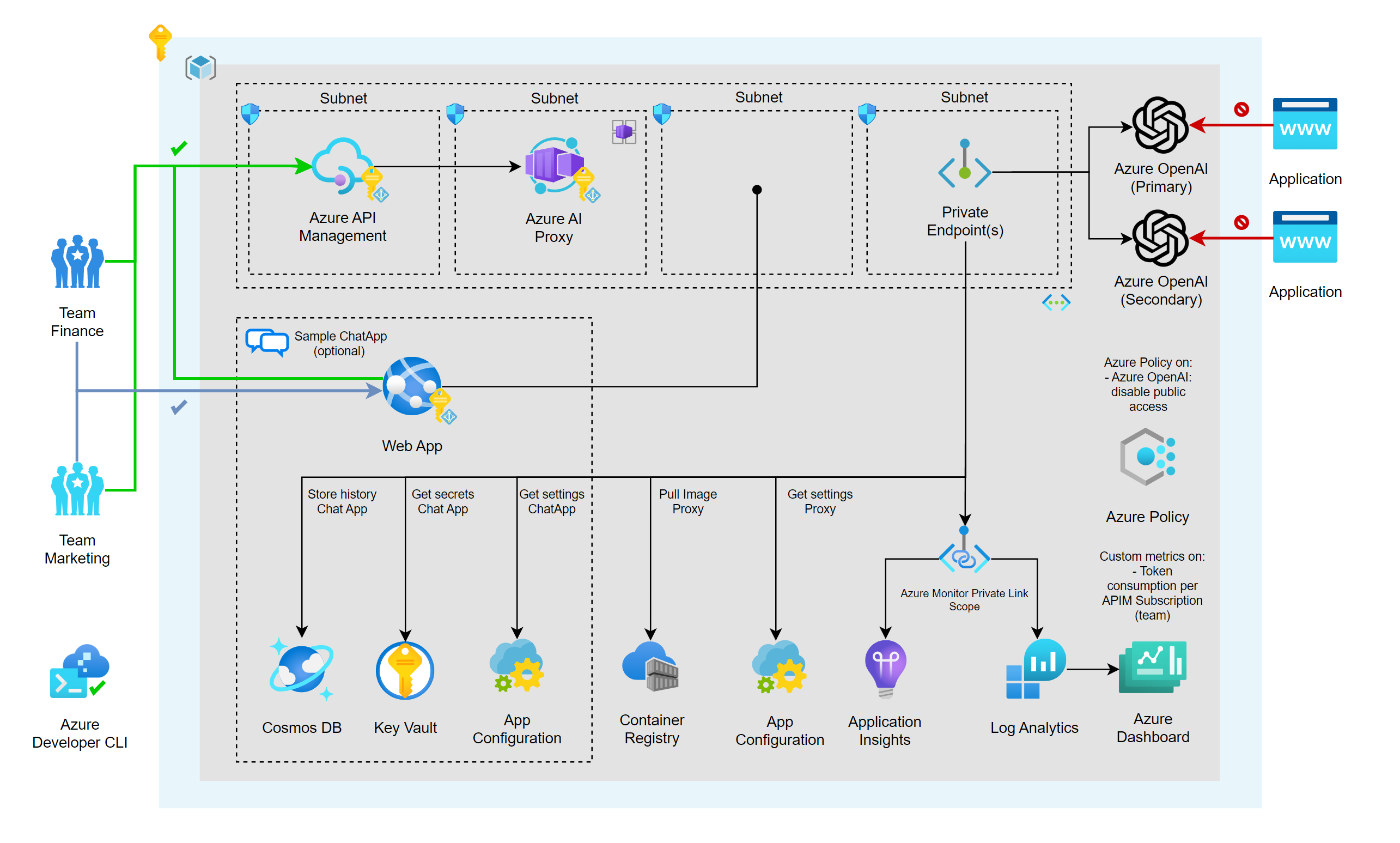
For enterprises using OpenAI models:
- No immediate change: Existing Azure customers will continue to access GPT models through Azure OpenAI Service
- Future flexibility: AWS and GCP customers may get direct API access to OpenAI models, reducing the need to use Azure as a middleman
- Pricing impact: Competition between cloud providers could lead to lower inference costs for OpenAI API users
gentic.news Analysis
This move signals a maturation of the AI infrastructure market. OpenAI's decision to multi-cloud mirrors what we've seen from other AI leaders like Anthropic (which uses both AWS and GCP) and Meta (which uses its own data centers plus cloud providers).
The timing is notable given the anticipated release of GPT-5 in 2025, which will require unprecedented compute resources. By diversifying now, OpenAI ensures it has the infrastructure runway for next-generation models without being constrained by a single provider's GPU allocation.
This also raises questions about Microsoft's own AI strategy. If OpenAI becomes less exclusive, Microsoft may accelerate development of its own frontier models (like MAI-1) or deepen partnerships with alternative providers like Mistral AI.
For the broader AI ecosystem, this move could accelerate cloud provider competition on AI infrastructure pricing and availability, benefiting startups and enterprises alike.
Frequently Asked Questions
Is OpenAI ending its partnership with Microsoft?
No, OpenAI is not ending the partnership but is moving away from the exclusive cloud arrangement. Microsoft will remain a key investor and partner, but OpenAI will now have the flexibility to use AWS and GCP for additional compute capacity and distribution.
Will OpenAI models still be available on Azure?
Yes, OpenAI models will continue to be available through Azure OpenAI Service. The change adds AWS and GCP as additional access points, not replacements for Azure.
Why is OpenAI diversifying cloud providers?
The primary reasons are compute capacity constraints (need for more GPUs) and strategic independence from a single vendor. Multi-cloud strategies reduce risk and provide negotiating leverage.
When will OpenAI models be available on AWS and GCP?
No specific timeline has been announced. The report indicates early-stage discussions, so availability on competing clouds is likely months away.